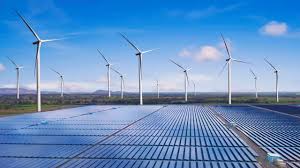
India renewable energy expansion is expected to reshape electricity supply for major metropolitan regions such as Chennai, as the country moves toward adding more than 50 gigawatts of clean power capacity during the current financial year.
Energy sector assessments suggest that India renewable energy capacity additions could cross the 50GW mark in FY26, driven primarily by strong growth in solar installations along with steady contributions from wind and hydropower projects. The expansion represents one of the fastest annual increases in the country’s clean power sector and reflects growing investment in low-carbon infrastructure.For cities like Chennai, which depend on stable electricity supply to support urban mobility, commercial activity and residential growth, the expansion of renewable energy is becoming increasingly important. Rapid urbanisation and rising digital infrastructure demand are placing additional pressure on electricity networks, prompting policymakers to prioritise sustainable power sources.Solar energy has emerged as the primary driver of new installations. Large ground-mounted solar farms, rooftop systems and hybrid renewable projects together account for the majority of new generation capacity added to the grid in recent months. Industry analysts note that falling technology costs and large-scale competitive bidding have accelerated solar deployment across multiple states.Wind energy has also contributed to the expansion, particularly in southern India where favourable wind conditions support large installations. Hydropower projects have provided additional renewable capacity, helping diversify the overall energy mix and support grid stability.
The continued growth of India renewable energy capacity is particularly significant for coastal urban centres such as Chennai, where electricity demand has increased steadily due to industrial growth, expanding residential developments and the growth of service-sector infrastructure. Reliable access to clean power is increasingly viewed as a foundation for sustainable city development.Energy planners point out that renewable capacity expansion is not only an environmental initiative but also a strategic economic move. Increasing domestic clean energy production reduces exposure to global fuel price volatility while supporting the transition toward a more resilient power system.At the same time, experts emphasise that integrating large volumes of renewable energy into the national grid requires major investments in transmission infrastructure. Electricity generated in renewable-rich regions must be efficiently transported to urban consumption centres such as Chennai and other large metropolitan markets.Upgrading transmission corridors and strengthening grid management systems will therefore play a critical role in ensuring that the benefits of rising India renewable energy capacity translate into reliable electricity supply. Investments in energy storage and flexible grid technologies are also expected to become increasingly important as renewable generation grows.
Looking ahead, analysts forecast continued acceleration in solar installations over the next several years, supported by government policy targets and a strong pipeline of projects under development. If these trends continue, India’s renewable energy expansion could significantly transform how cities power their economies.
For Chennai, this shift represents an opportunity to support long-term urban growth through cleaner, more resilient energy infrastructure while contributing to the country’s broader climate transition.
Chennai Power Demand Linked To India Renewable Expansion.