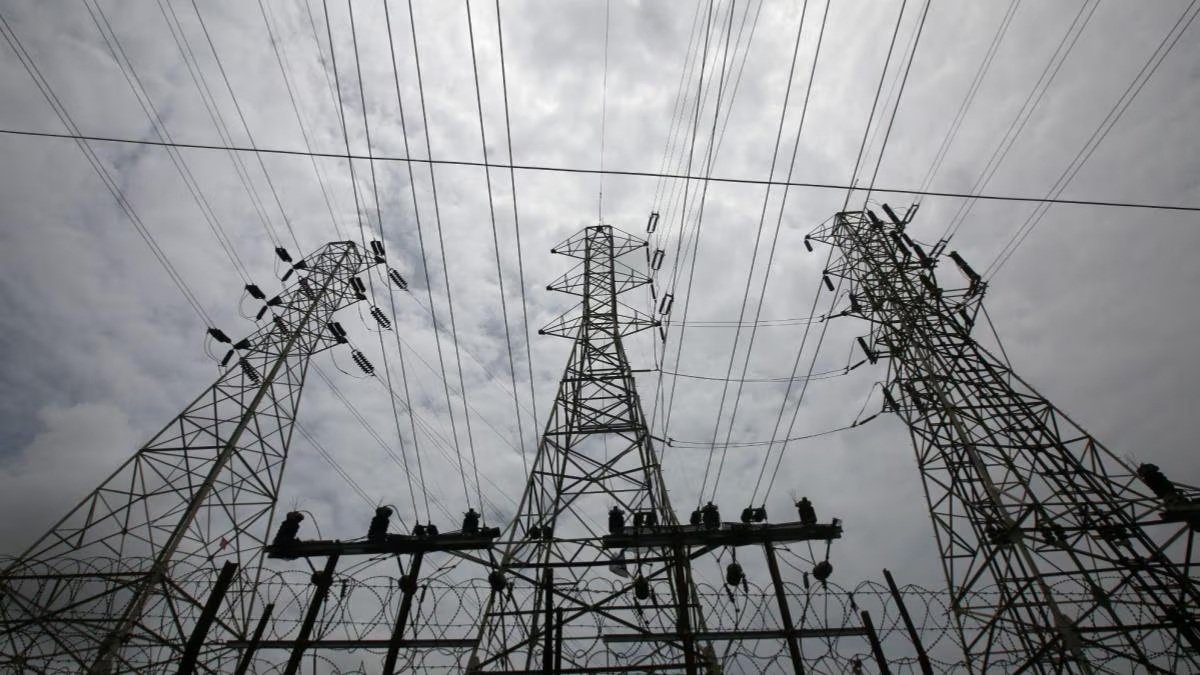
Bengaluru’s electricity network is set to experience widespread, daytime supply interruptions today as Bangalore Electricity Supply Company Limited (BESCOM) implements planned maintenance across critical distribution infrastructure. The outages, scheduled to occur primarily between 9 am and 6 pm, are anticipated to disrupt residential life and business operations in key urban growth corridors. The maintenance-driven shutdowns, concentrated in eastern, northern, and southern zones of India’s tech capital, are part of BESCOM’s efforts to reinforce aging feeders and balance load amid escalating demand, exacerbated by rising temperatures and increasing consumption. Urban planners say such planned outages are indicative of the strain facing electricity grids in rapidly expanding metropolises where growth in data centres, commercial clusters and residential towers outpaces infrastructure upgrades.
Several populous neighbourhoods including major employment and transit nodes are expected to see power interruptions at various points throughout the day. Even areas not directly listed on maintenance schedules may experience voltage fluctuations where feeders are interconnected, BESCOM officials noted. These disruptions could ripple through supply chains, affecting small enterprises, logistics hubs and home-based workers reliant on stable power. For many households, daytime outages pose significant challenges as remote work and digital education remain integrated into daily life. “Unplanned and even scheduled outages impact productivity and incomes,” said a senior energy sector analyst. “In economies where flexible work is now normal, citizens are less tolerant of supply disruptions than in previous decades.” Businesses that do not have backup power solutions may see lower output, while micro-enterprises could face revenue losses during prolonged outages.
Economically, scheduled shutdowns help reduce the risk of unplanned breakdowns, which can lead to longer outages and damage to grid assets. However, residents and commercial establishments without inverters or generators are disproportionately affected. Urban development experts argue this highlights the uneven distribution of resilience: higher-income zones often have access to alternative power sources, while lower-income communities bear the brunt of outages. The timing largely within core business hours also has implications for labour markets and service delivery. City officials, in consultation with power utilities, have been urged to better coordinate maintenance windows with local industries and essential services to minimise disruptions.
Climate resilience advocates point out that such outages underscore the need for modernising urban energy systems, integrating renewable sources and deploying smart grid technologies. “Sustainable cities require adaptive infrastructure that can handle demand surges, not just quick fixes,” said a climate resilience planner. “Intermittent outages are a symptom of deeper structural challenges in urban infrastructure planning.” Residents are advised to check BESCOM’s official communication channels for precise schedules and prepare contingency plans. Businesses may consider flexible work arrangements or temporary power backups. Looking ahead, city planners and utility regulators are expected to discuss longer‑term strategies to improve grid reliability before peak demand seasons.