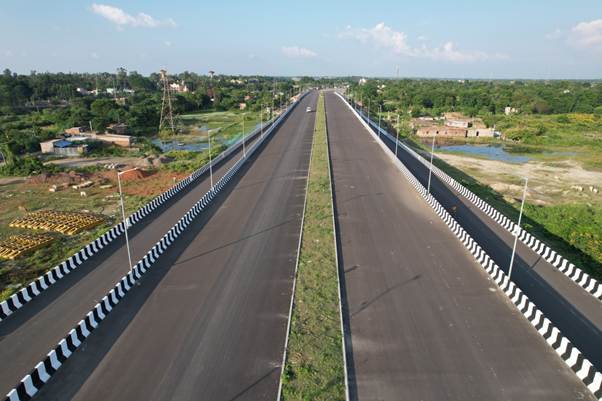
Kolkata is set to undertake a significant citywide road upgrade initiative, with the municipal corporation planning to procure five new road milling machines to address long-standing surface undulations across key arterial routes. The move aims to improve safety, traffic flow, and overall commuting experience for motorists and cyclists navigating the congested city streets. Urban planners note that poorly maintained stretches not only contribute to accidents but also impede the economic efficiency of freight and daily transport.
The Kolkata Municipal Corporation’s roads department has prioritised multiple major corridors for immediate intervention, including Chittaranjan Avenue, APC Roy Road, B B Ganguly Street, Gariahat Road, Tollygunge Circular Road, and several stretches of EM Bypass. These roads have historically suffered from frequent digging for utilities followed by rushed patchwork repairs, resulting in uneven surfaces that pose hazards, particularly at night. Selected segments of the Bypass, notably between Ruby and Ajaynagar intersections, have been identified as high-priority due to their accident-prone conditions.
Officials indicate that two of the five machines are expected to arrive within the next few months, with the remaining three to be delivered within half a year. This expansion is intended to accelerate the smoothening programme, allowing the civic body to tackle a wider network of thoroughfares concurrently. Last year, the corporation completed surface upgrades on multiple central and southern city roads, demonstrating a phased approach to urban infrastructure improvement. Urban development experts suggest that road smoothening initiatives are integral not only for immediate commuter safety but also for longer-term urban resilience. Smooth roads reduce vehicle wear and fuel consumption, lower accident rates, and enhance public transport efficiency factors that contribute to more sustainable urban mobility. For a rapidly growing metropolis like Kolkata, where road networks are critical for trade, commuting, and emergency response, consistent maintenance and modernisation are essential to equitable urban growth.
Economic analysts also note that smoother arterial roads can boost adjacent commercial activity by improving accessibility, reducing delivery times, and lowering logistics costs. From an environmental standpoint, minimising frequent excavation and patch repairs limits dust emissions and resource wastage, aligning the initiative with broader city targets for low-carbon infrastructure development. While the current phase focuses on selected stretches, municipal authorities have confirmed plans to eventually cover the entire EM Bypass, spanning from Ultadanga to Dhalai Bridge in Garia. Completion of these upgrades is expected to deliver safer, more efficient, and resilient transport corridors, enhancing both daily mobility and the city’s urban fabric over the coming years.