


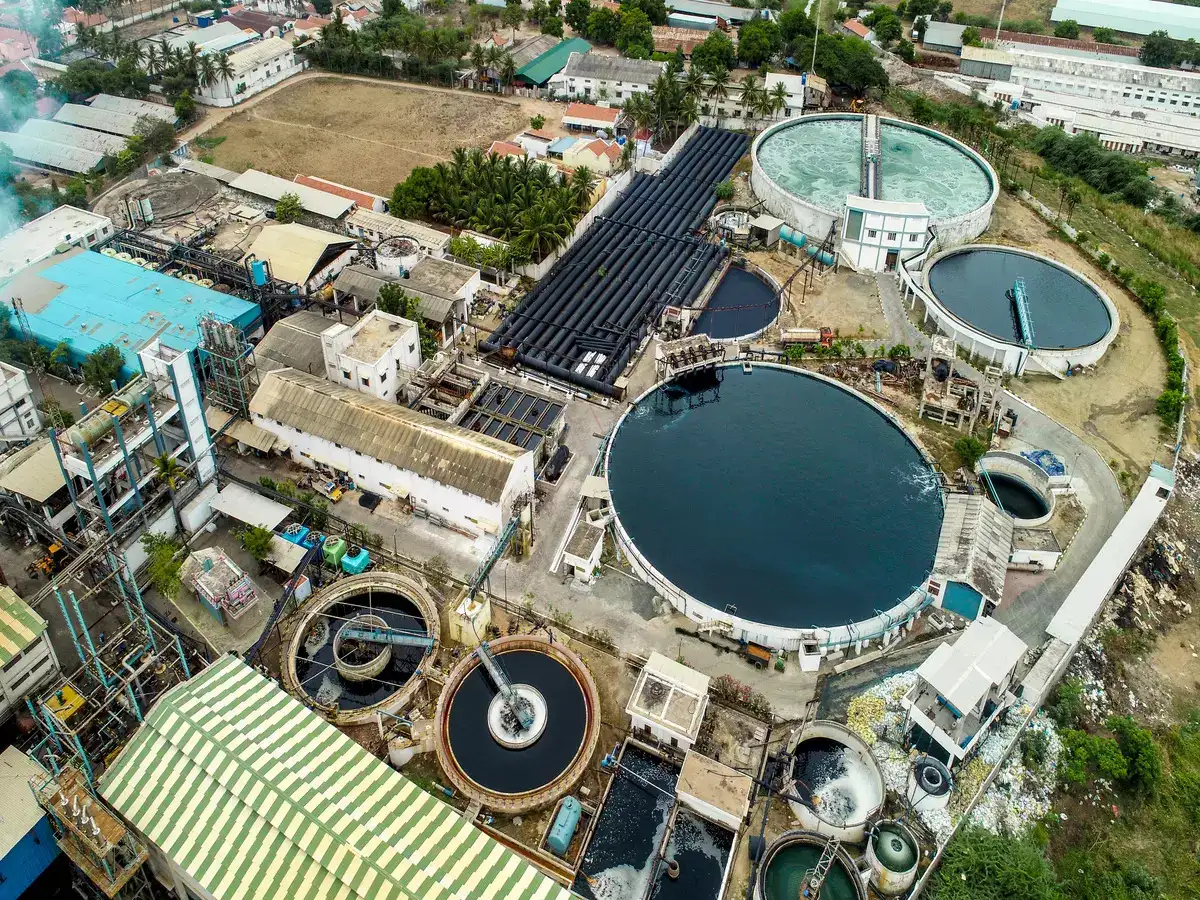
Chennai’s urban water utility has demonstrated how treated wastewater can serve both environmental and economic goals, generating significant revenue while easing pressure on freshwater resources. Over the past five years, the city’s water utility has earned more than ₹550 crore through the sale of recycled water supplied to industrial clusters across the metropolitan region.
The programme centres on advanced treatment of sewage through tertiary treatment reverse osmosis technology, enabling the water to be reused by industries located in major manufacturing corridors surrounding the city. By diverting treated water for industrial use, authorities say the initiative has helped conserve tens of billions of litres of freshwater that would otherwise have been drawn from reservoirs and groundwater sources.Officials estimate that the water saved through this recycling effort is roughly equivalent to several weeks of the city’s domestic supply requirements. With Chennai’s daily water demand exceeding one billion litres, diversifying supply sources has become increasingly critical as the city confronts climate variability and recurring drought cycles.Under the programme, industries receive highly treated wastewater through dedicated supply agreements, allowing them to use recycled water for industrial processes rather than relying on potable sources. Industrial zones in the northern and western manufacturing belts have emerged as major consumers of this treated supply, reflecting growing acceptance of water reuse in heavy industry.
Urban infrastructure analysts say the initiative highlights how Chennai wastewater recycling can simultaneously strengthen environmental management and municipal finances. Revenues generated from treated water sales now contribute a steady monthly income stream for the utility, while also supporting operational costs associated with sewage treatment infrastructure.The city currently operates two large tertiary treatment plants that process sewage and convert it into industrial-grade recycled water. These facilities form part of a broader network of sewage treatment plants distributed across Chennai’s metropolitan area.Although utilisation of treated sewage has increased in recent years, officials acknowledge that only a small portion of the city’s total treated wastewater is currently reused. Expanding industrial demand and improving distribution infrastructure could significantly raise the share of recycled water in the coming years.Urban planners note that Chennai wastewater recycling is gaining attention as a model for water-stressed cities. Reusing treated sewage for non-potable purposes reduces pressure on freshwater reservoirs while also lowering pollution levels in rivers and coastal ecosystems.
The city is also working to expand sewage treatment capacity and modernise parts of its ageing sewer network. Infrastructure upgrades are expected to improve collection efficiency and ensure that more wastewater reaches treatment plants rather than flowing untreated into waterways.As Indian cities face increasing water scarcity driven by population growth and climate change, initiatives like Chennai wastewater recycling demonstrate how circular water systems can create both economic value and long-term urban resilience.
Also Read:Delhi Traffic Advisory Warns Of Major Congestion
Chennai Wastewater Recycling Generates Revenue For City
