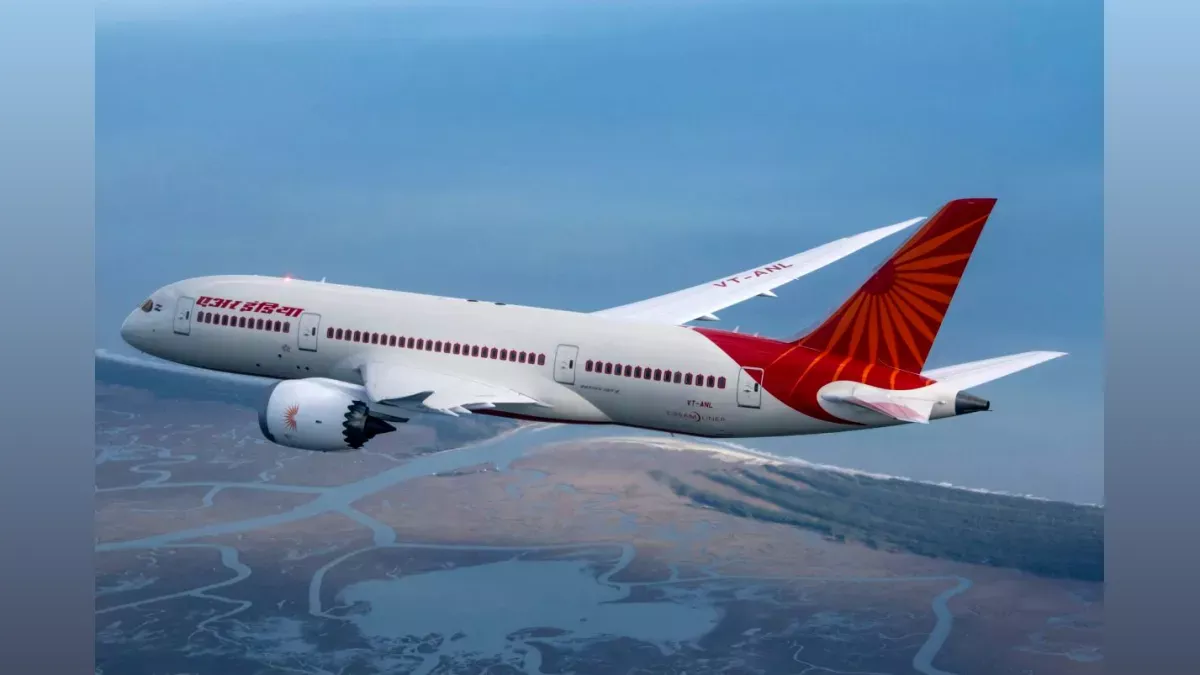
Air India is set to strengthen its international presence in Asia with the launch of two new direct flight routes connecting Mumbai to Tokyo Haneda and Delhi to Hanoi. The new services are designed to cater to growing passenger demand, improve regional connectivity, and support business and leisure travel across key Asian hubs.
The Mumbai-Tokyo Haneda route will operate four times a week using Boeing 787-8 aircraft starting June 15, complementing the airline’s recently enhanced Delhi-Tokyo Haneda schedule, which now operates daily with the introduction of Boeing 787-9 aircraft featuring upgraded cabins and premium economy options. These additions are expected to improve travel efficiency for business and leisure passengers, while offering modern inflight amenities such as WiFi connectivity, refreshed meal services, and enhanced entertainment systems. Air India has partnered with All Nippon Airways (ANA) through a Star Alliance codeshare, enabling seamless onward connections from Tokyo Haneda to six other Japanese cities, including Osaka, Sapporo, Fukuoka, Nagoya, Hiroshima, and Okinawa. Industry experts suggest that these partnerships and upgraded service offerings are aimed at positioning India as a competitive outbound market for Japan and vice versa, supporting both tourism and economic ties.
The scheduled Mumbai-Tokyo Haneda flight departs at 4.50pm on Mondays, Wednesdays, Fridays, and Sundays, reaching Tokyo the following morning, while the return service departs Tokyo at 8.50am on alternating days, arriving in Mumbai by mid-afternoon. This timing is expected to provide convenient options for international business travellers and weekend tourism, bridging major economic corridors. Meanwhile, the Delhi-Hanoi service will commence from May 1, operating five times a week with A320neo aircraft. Hanoi becomes India’s second gateway in Vietnam after Ho Chi Minh City, adding over 7,000 monthly seats to the bilateral market. Senior aviation officials note that Vietnam is witnessing steady growth in inbound and outbound travel from India, highlighting the potential for increased trade, tourism, and cultural exchange between the two countries.
Analysts point out that expanding Air India’s footprint in Asia aligns with wider infrastructure and connectivity strategies, supporting regional economic integration while offering passengers faster, more efficient travel. The introduction of modern aircraft and premium services also signals a broader shift toward sustainable and competitive aviation operations, balancing passenger comfort with operational efficiency. As Air India rolls out these routes, urban planners and transport experts suggest that such international connectivity improvements can indirectly support metropolitan growth by boosting business travel, tourism revenues, and international partnerships, contributing to a more integrated and resilient regional transport ecosystem.
Air India Launches New Mumbai Tokyo Flights