


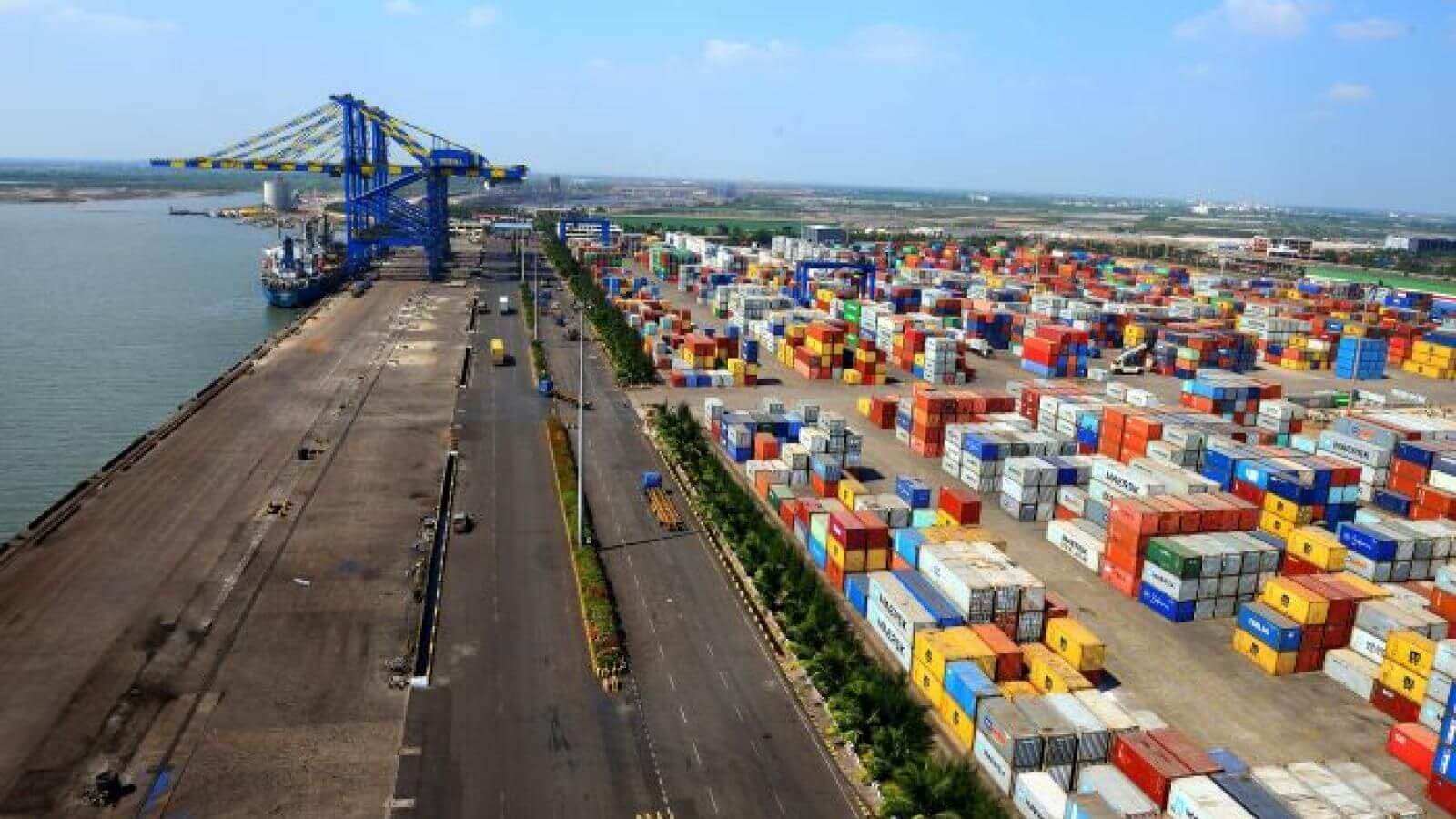
A major infrastructure package has been awarded for the first phase of the Dighi Port Industrial Area in Raigad district, signalling renewed momentum for industrial expansion along the Delhi–Mumbai Industrial Corridor. The ₹1,401 crore engineering, procurement and construction mandate covers core infrastructure and long-term maintenance, underscoring the scale and strategic relevance of the Dighi Port Industrial Area in Maharashtra’s evolving logistics and manufacturing ecosystem.
The contract has been issued by Maharashtra Industrial Township Ltd, the special purpose vehicle jointly backed by the Union and state governments to develop Parcel B of the industrial zone near Dighi Port. The mandate includes integrated design, construction, testing, commissioning and a four-year performance-linked operations and maintenance commitment after completion.With a delivery timeline of approximately 30 months, the project is expected to lay the groundwork for trunk infrastructure such as internal roads, water supply networks, stormwater systems, power distribution and other essential utilities. Urban planners say such foundational investments often determine whether large industrial zones can attract sustainable private investment or struggle with fragmented growth.The Dighi Port Industrial Area forms part of the wider Delhi–Mumbai Industrial Corridor programme, conceived to create globally competitive manufacturing and logistics clusters anchored to multimodal transport connectivity. For Maharashtra, the Raigad belt represents an opportunity to diversify industrial growth beyond traditional hubs and reduce pressure on saturated urban regions.
Infrastructure economists note that integrated EPC contracts with embedded maintenance clauses reflect a shift in public procurement priorities. Instead of focusing solely on asset creation, authorities are increasingly emphasising lifecycle performance and operational reliability. This approach can reduce long-term fiscal stress on local bodies and ensure better service standards for industrial occupiers.From an urban development perspective, the build-out of the Dighi Port Industrial Area could influence land values, housing demand and mobility patterns across surrounding settlements. Experts caution, however, that industrial expansion must be accompanied by inclusive planning—covering worker housing, public transport access, water stewardship and climate-resilient drainage systems—especially in coastal districts vulnerable to extreme weather.Environmental safeguards will also be closely watched. Large industrial townships require careful management of wastewater, solid waste and energy consumption. Sustainable design standards, renewable integration and circular resource use could determine whether the zone aligns with India’s broader low-carbon growth ambitions.
For Maharashtra, the project adds to a pipeline of industrial corridor investments aimed at strengthening export competitiveness and job creation. As groundwork begins in Raigad, attention will shift to how quickly enabling infrastructure translates into operational units, employment opportunities and balanced regional development.The success of the Dighi Port Industrial Area may ultimately hinge not just on speed of execution, but on how effectively infrastructure delivery supports resilient, inclusive and future-ready urbanisation.
Raigad Dighi Port Industrial Area Contract Awarded
