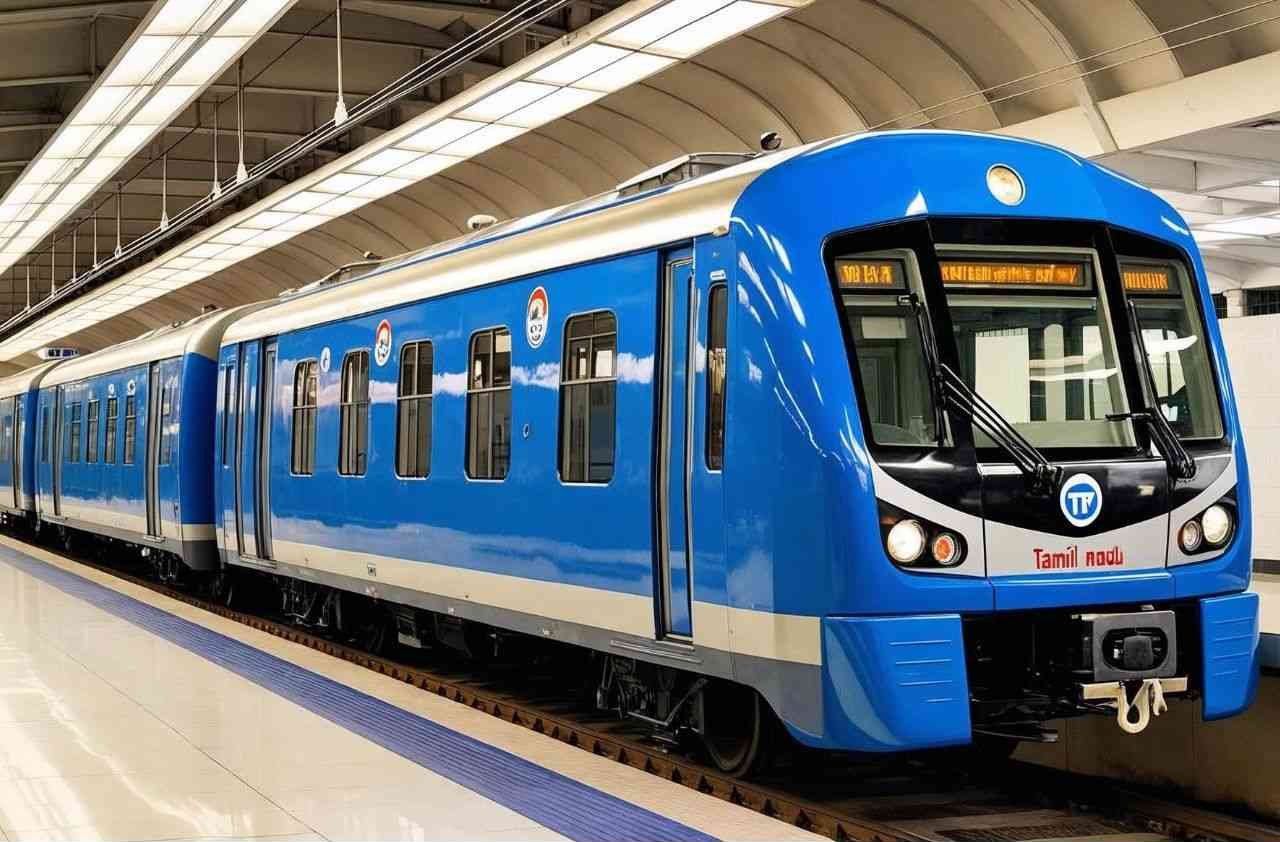
Chennai Metro Expands Commercial Space Near Stations
Chennai is set to witness a major expansion of commercial development alongside its metro network as authorities plan to utilise 73.4 lakh square feet across 37 strategically located sites. The initiative, aligned with the city’s Phase-II metro corridors, aims to diversify revenue streams beyond ticketing and promote more integrated, transit-oriented urban growth. Experts suggest that such projects could reshape commuting patterns while creating concentrated business hubs across the city.
Urban planners note that positioning commercial developments within 500 metres of metro stations encourages higher public transport usage and can reduce road congestion. However, they emphasise that the success of such ventures hinges on the quality of pedestrian access. Safe walkways, clear signage, and seamless connectivity to metro entrances are considered critical to attracting office workers, shoppers, and visitors who might otherwise rely on private vehicles. The metro authority has identified high-footfall and strategically significant locations for development, including IT corridors, temple-adjacent streets, and key transport interchanges.
Proposed projects vary from integrated multi-storey commercial buildings linked directly to station entrances to standalone offices and retail structures. Planned developments at central nodes such as Kutchery Road and Boat Club will combine retail, office, and service spaces, potentially generating tens of thousands of square feet per location. Construction budgets for these developments are projected in the tens of crores, signalling a substantial investment in urban infrastructure. Industry specialists argue that metro systems in India increasingly rely on non-fare revenue to remain financially sustainable, as ticket sales alone rarely cover operational and capital costs. Cities like Delhi and Bengaluru have demonstrated that integrating commercial real estate with transit networks can boost revenue while fostering vibrant, mixed-use precincts. In Chennai, careful planning will be necessary to ensure that these new hubs do not exacerbate traffic congestion or create accessibility challenges for pedestrians and cyclists.
Environmental considerations also play a key role in planning. By concentrating workplaces and amenities near public transport, the city can limit vehicle dependency, reduce carbon emissions, and enhance climate resilience. Inclusive design measures, such as gender-sensitive facilities and accessible walkways, are expected to form part of long-term urban planning strategies for these transit-linked developments. Looking ahead, the metro authority’s commercial expansion could transform station precincts into economic and social nodes, supporting local business growth while reinforcing sustainable urban mobility. Continuous monitoring of accessibility, environmental impact, and community integration will determine whether Chennai’s transit-oriented development delivers both economic and civic benefits.