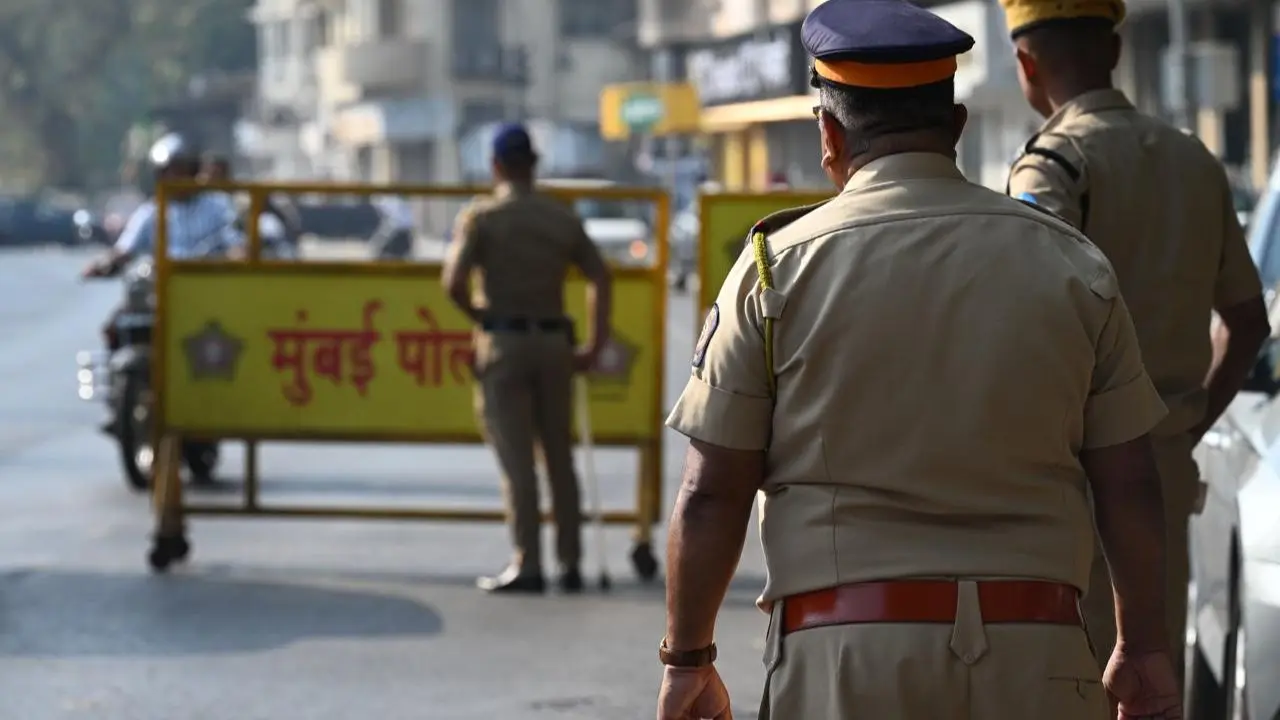
Mumbai witnessed an intensified road safety enforcement effort during the Holi and Dhulivandan period this year, as city authorities moved to curb risky driving behaviour amid heightened festive travel. A citywide special drive led to thousands of traffic violations being penalised, underlining both the scale of non-compliance on urban roads and the growing reliance on technology-driven enforcement to improve safety outcomes.
According to official data released after the festival period, the Mumbai Traffic Police issued 16,727 challans and collected nearly ₹2 crore in fines over the course of the campaign. The operation focused on high-risk violations commonly associated with festival-related accidents, including driving under the influence of alcohol, speeding, helmet non-compliance, and dangerous two-wheeler practices. Checkpoints were deployed across arterial roads, highways, and major junctions, particularly in areas that see a surge in late-night movement during celebrations. Enforcement teams combined on-ground checks with digital surveillance, drawing on CCTV networks, automated number plate recognition systems, and e-challan platforms to identify violations with minimal disruption to traffic flow.
Drunk driving emerged as a key concern, with 159 motorists booked for operating vehicles under the influence of alcohol. Transport safety specialists note that alcohol-related crashes account for a disproportionate share of serious road accidents, especially during festivals, making targeted enforcement a critical preventive tool rather than a revenue-driven exercise. Helmet violations formed one of the largest categories, reflecting persistent behavioural gaps despite years of awareness campaigns. Thousands of riders were penalised for riding without protective headgear, while obstruction of traffic and speeding also featured prominently. Urban mobility experts point out that such violations not only increase accident risk but also worsen congestion and emissions by disrupting smooth traffic movement.
The enforcement data highlights a broader challenge facing Indian cities: balancing festive vibrancy with safe, inclusive streets. Mumbai’s dense road network, mixed traffic conditions, and high pedestrian activity make compliance particularly important during peak celebration periods. Experts argue that consistent enforcement during festivals helps reinforce everyday road discipline, rather than treating safety as a temporary concern. Officials involved in the drive emphasised that technology has played a decisive role in scaling enforcement without expanding manpower. Automated systems allow authorities to focus resources on high-risk locations and repeat offenders, while also improving transparency and reducing disputes over penalties.
From a sustainability and urban liveability perspective, safer roads have wider economic and social benefits. Reduced accidents lower healthcare and productivity costs, while smoother traffic flow cuts fuel consumption and emissions—an important consideration for a city grappling with air quality and climate resilience. Looking ahead, road safety advocates say that enforcement drives must be complemented by better street design, clearer signage, and continuous public engagement. As Mumbai prepares for future festivals and peak travel periods, the Holi enforcement data offers both a warning and an opportunity: stronger compliance, supported by technology and citizen cooperation, can make urban mobility safer without dampening the city’s celebratory spirit.
Mumbai Traffic Police Levy Fines Close to Rs 2 Crore