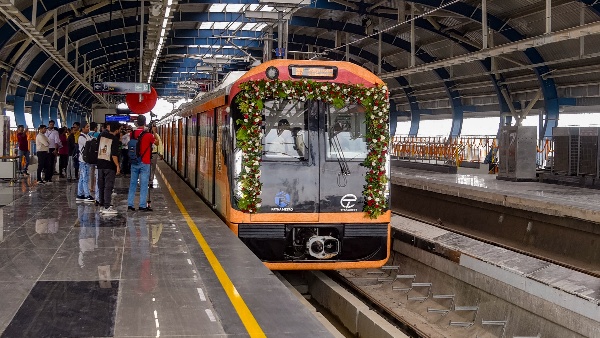
Patna Metro Accelerates Expansion Across Priority Route
Patna’s long-anticipated metro rail system is transitioning from isolated sections to a more interconnected urban transit spine, with phased openings and underground tunnelling progress redefining the city’s mobility infrastructure.
As the Patna Metro project moves into 2026, the corridor is not only expanding its service footprint but also reshaping how daily commuters and planners envisage sustainable urban transport in India’s fast-growing mid-sized cities. City officials and transport planners note that the first operational segment — a short elevated priority section linking the New Inter-State Bus Terminal (ISBT) with central nodes — has become a testbed for broader expansion. This elevated stretch, originally inaugurated in late 2025, continues to function as the backbone for incremental extensions connecting key residential and commercial hubs, and its growth is expected to ease road congestion and support economic activity along its axis. Beyond the operational stretch, the metro authority is completing the final civil works on additional elevated stations, including Malahi Pakri and Khemnichak.
Once these are certified for safety by independent regulators, they are slated to open in the first half of 2026 — adding vital access points for commuters from densely populated neighbourhoods and reinforcing public transport as an equitable urban service. Simultaneously, subterranean progress marks a pivotal chapter in Patna’s transit evolution. Multiple tunnel boring machines are currently advancing a near-8-km underground segment of the Blue Line, threading beneath high-density corridors such as PMCH and Gandhi Maidan. Completion of this segment by late 2026 would bridge the operational elevated portions with core city zones, reducing reliance on surface road travel and contributing to lower carbon emissions citywide — a key sustainability benchmark in urban mobility planning. Urban transport specialists highlight the growing importance of integrated planning as metro construction unfolds. “Partial openings, staged extensions and underground links collectively optimise the city’s existing traffic grid while allowing phased deployment of services,” notes a senior planner familiar with metro corridor projects.
Such staging also allows incremental ridership growth and better alignment with last-mile connectivity solutions, from e-rickshaws to feeder buses. The phased metro rollout has wider implications for Patna’s urban economy. Enhanced mass rapid transit incentivises transit-oriented development and can stimulate commercial activity near stations, boosting small enterprises and employment prospects without intensifying private vehicle usage. It also aligns with broader goals of inclusive urbanisation — crucial in a city where transport inequities disproportionately affect women, students and low-income commuters. However, challenges remain. Underground works require complex safety certifications, and full integration with existing transport modes will depend on coordinated urban planning and investment in pedestrian and cycling infrastructure. While the metro has not yet reached distant nodes like the airport, ongoing upgrades to tunnel sections and station readiness signal a measurable shift toward sustainable mobility in Patna’s civic landscape.
As 2026 progresses, monitoring how phased metro openings interact with traffic patterns, emissions profiles and urban development will be essential for policymakers focused on resilient and equitable cities.