


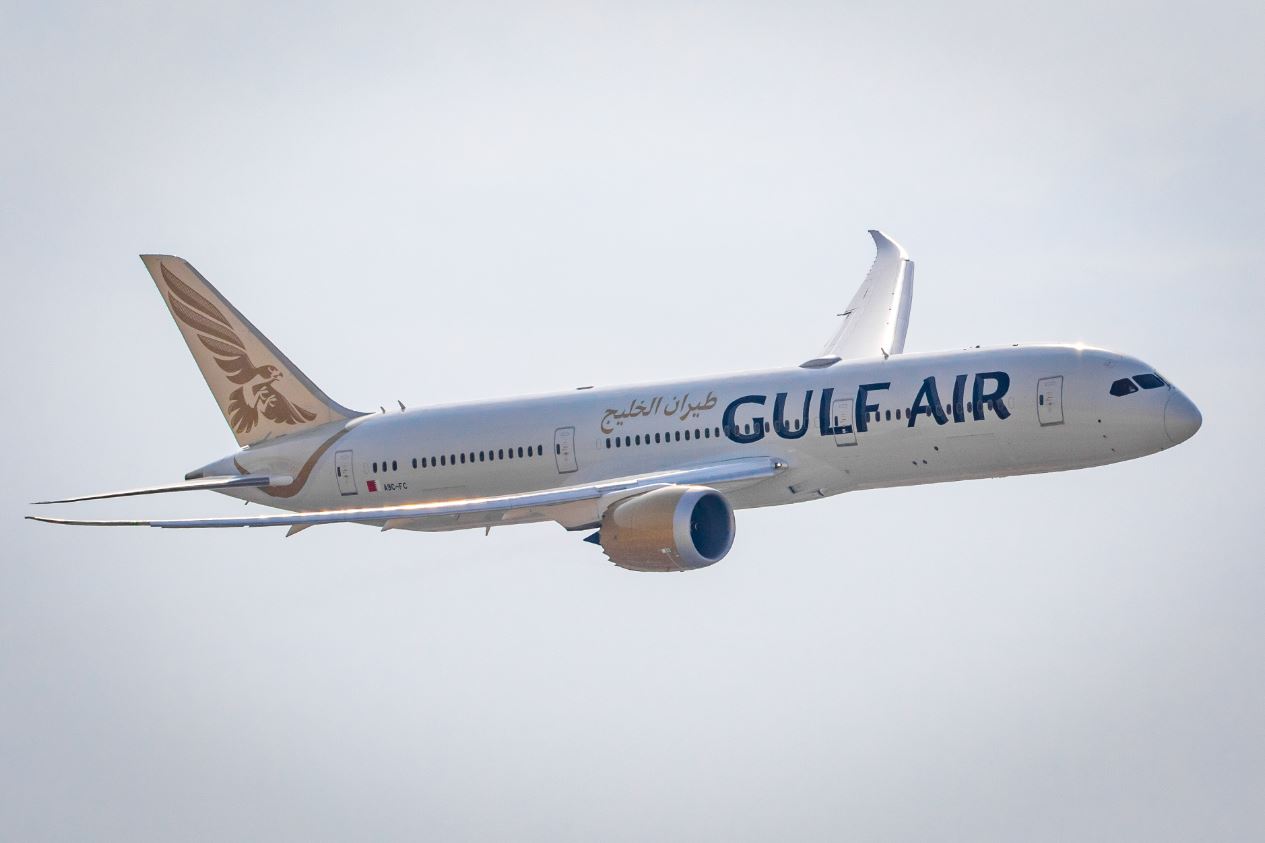
Flight connectivity between Hyderabad and key Gulf destinations has begun to stabilise after days of disruption triggered by airspace restrictions across parts of West Asia. Limited operations resumed this week at Rajiv Gandhi International Airport, offering relief to stranded passengers and signalling the gradual restoration of one of the city’s most critical international corridors.
The Hyderabad Gulf flight services corridor is among the busiest outbound routes from Telangana, linking migrant workers, business travellers and families to destinations in Saudi Arabia and the United Arab Emirates. Aviation sources confirmed that select carriers have deployed special services to clear passenger backlogs, while others have resumed restricted schedules pending regulatory clearances.Low-cost carrier IndiGo operated evacuation services from Jeddah to multiple Indian cities, including Hyderabad. Meanwhile, full-service Gulf airlines such as Emirates and Etihad Airways have restarted limited commercial frequencies. Airport officials indicated that operations remain dynamic, subject to evolving airspace advisories and bilateral clearances.
For Hyderabad’s urban economy, the partial revival of Hyderabad Gulf flight services carries wider implications. The Gulf region hosts a substantial share of Telangana’s expatriate workforce, whose remittances contribute significantly to household incomes and local consumption. Urban economists note that disruptions in these air links can ripple through housing demand, retail spending and even small business liquidity in neighbourhoods dependent on overseas earnings.The airport itself functions as a major employment and logistics node within the metropolitan region. Aviation analysts suggest that sustained uncertainty in international schedules can affect cargo flows, particularly pharmaceuticals and perishables routed through Gulf hubs. As cities aim to strengthen resilient supply chains, diversified routing strategies and improved regional connectivity are increasingly being discussed within policy circles.
Transport planners also point out that the current episode highlights the vulnerability of aviation networks to geopolitical and climate-related shocks. With Hyderabad investing in transit-oriented growth and airport-linked commercial districts, maintaining reliable global connectivity is central to its long-term competitiveness. However, experts argue that resilience planning must extend beyond runway capacity to include contingency protocols, passenger communication systems and energy-efficient operations aligned with lower-carbon aviation goals.Travellers have been advised by airport authorities to verify schedules directly with airlines before proceeding to the terminal, as regular services are yet to return to pre-disruption levels. Industry observers expect a phased normalisation over the coming days, contingent on airspace stability.As Hyderabad continues to position itself as a technology and services hub, the steady restoration of Hyderabad Gulf flight services will be closely watched—not only by frequent flyers, but by businesses, urban planners and policymakers seeking to future-proof the city’s global links.
Also Read:TARC Delhi Project Signals Premium Market Momentum
Hyderabad Gulf flight services resume partially
