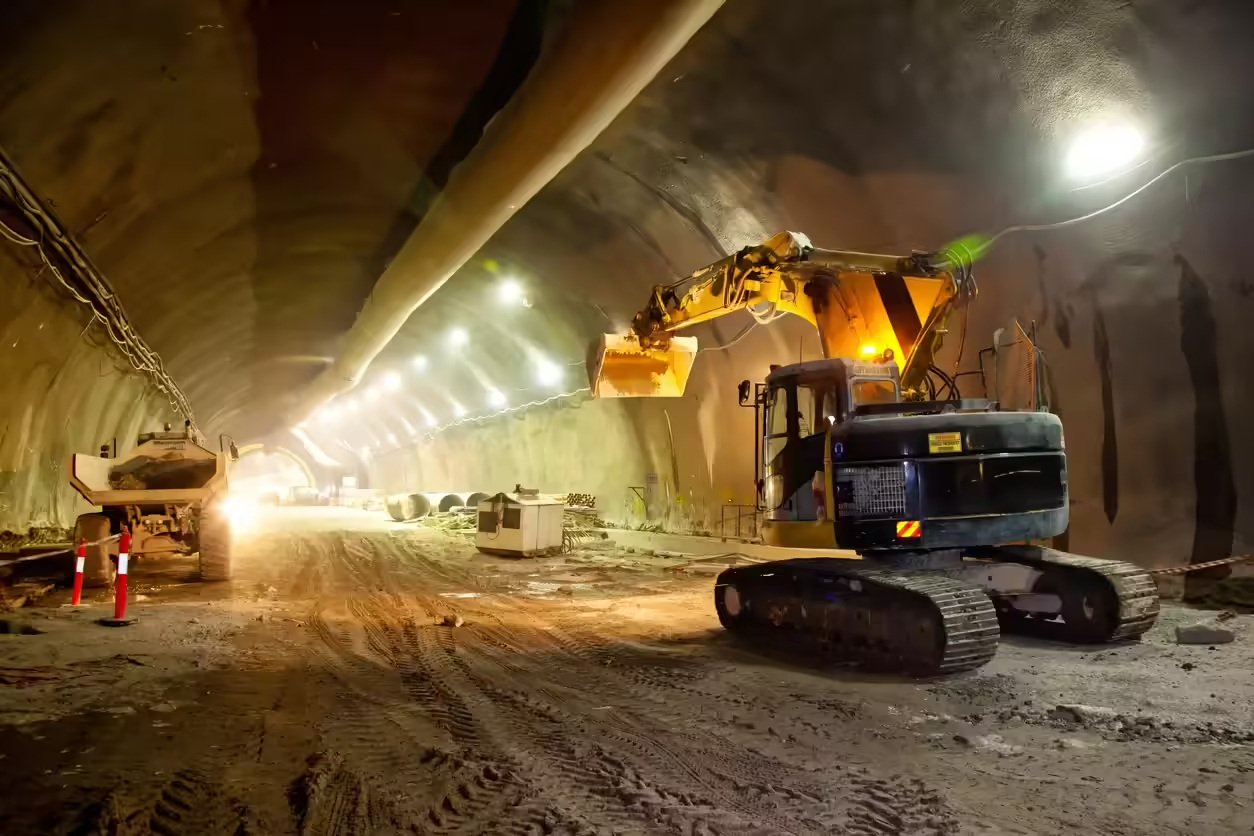
Bengaluru Plans Tunnel To Ease Hebbal Traffic Congestion
Bengaluru is moving closer to executing a high-capacity infrastructure solution at one of its most congested intersections, with the tender process for a six-lane short tunnel at Hebbal now receiving multiple bids. The project aims to divert through-traffic from surface roads, which are regularly overwhelmed during peak hours, offering commuters a potentially faster and more efficient route between northern and southern parts of the city.
Four major infrastructure companies have submitted proposals, signalling strong private sector interest in tackling complex urban transport challenges. A senior urban planning official noted that the bids will now undergo a detailed technical and financial evaluation before a contractor is appointed. While the project carries an estimated cost exceeding ₹1,000 crore, urban mobility experts emphasise that its value lies in long-term congestion relief and smoother connectivity to key economic nodes, including the airport corridor. Hebbal junction has long been a pinch point in Bengaluru’s road network, with traffic volumes far exceeding surface-road capacity. Analysts point out that such interventions are increasingly critical as the city’s vehicle population grows and commuter delays create economic inefficiencies. The tunnel is designed to allow uninterrupted through-traffic, potentially reducing travel times for thousands of daily motorists while supporting safer and more predictable traffic flows at street level.
From an urban development perspective, the tunnel is part of a broader push to integrate infrastructure expansion with sustainable city planning. Experts highlight that subterranean corridors, when designed with modern drainage, ventilation, and emergency management systems, can reduce environmental disruption and land acquisition pressures compared with surface flyovers or widening projects. However, civic planners caution that construction will require careful traffic management and community engagement to minimise disruption and maintain equitable access for all commuters, including pedestrians and public transport users.
Economically, the project reflects growing private-sector confidence in Bengaluru’s infrastructure market, particularly in ventures that combine engineering complexity with high public utility. Industry observers note that competitive bidding among established construction firms signals both the maturity of the city’s project pipeline and investor appetite for capital-intensive urban mobility solutions. As the city evaluates bids, stakeholders are watching closely to assess cost efficiency, design robustness, and long-term operational viability. Successful implementation could set a precedent for climate-resilient, people-first infrastructure in other high-density urban corridors across India, balancing mobility needs with responsible urban growth.