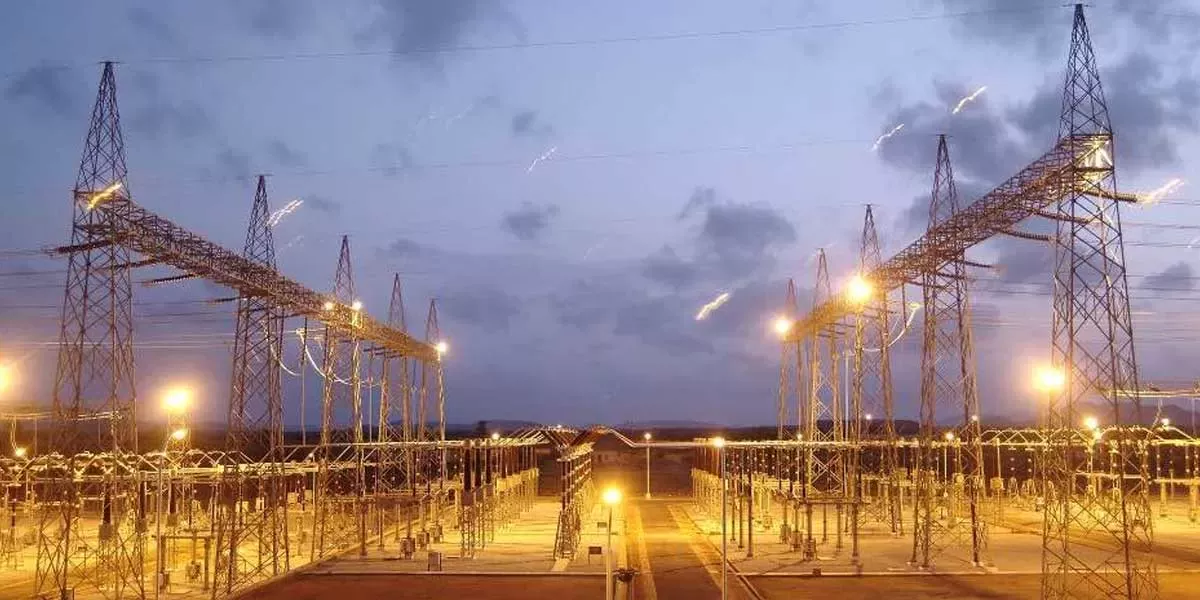
Lucknow Power Grid Modernisation Gets Major Funding Boost
LUCKNOW — Lucknow’s electrical distribution system is poised for a major transformation as state authorities unveil a ₹4,000-crore modernisation plan aimed at upgrading ageing infrastructure, improving reliability and supporting the city’s rapid economic and demographic growth.
The initiative, expected to unfold over the next few years, reflects rising recognition that robust power systems are foundational to sustainable urban services, industrial competitiveness and quality of life in one of Uttar Pradesh’s most dynamic cities. At its core, the project seeks to revamp key elements of the city’s power grid, including substations, transmission lines and distribution networks that have struggled to keep pace with expanding demand from households, businesses and institutions. Recent years have seen sporadic outages and system stress during peak summer months — a pattern officials describe as untenable for a city pursuing economic diversification, digital expansion and climate adaptation goals. Officials involved in drafting the plan emphasise that the modernisation is not merely a capacity expansion exercise but a comprehensive systems upgrade. Proposed interventions include installation of smart grid technologies, automated fault detection and isolation systems, and enhanced metering infrastructure to reduce technical and commercial losses.
These digital elements are intended to increase efficiency and responsiveness, enabling faster restoration following disruptions and better data-driven planning of future capacity requirements. For Lucknow’s residents and businesses, improved reliability can have transformative effects. Unplanned power cuts — even brief ones — disrupt daily life, affect productivity in small and medium enterprises, and strain critical services such as healthcare and education facilities. Upgraded infrastructure is expected to reduce such events, enhancing investor confidence and supporting economic activities that rely on uninterrupted energy supply. Urban planners note that integrating power system modernisation with broader city planning is critical. As Lucknow expands northward and towards peri-urban clusters, seamless electricity connectivity will underpin growth in sectors such as information technology parks, logistics hubs and manufacturing clusters. Reliable power also interfaces with other urban systems — including water supply, traffic management and public safety — all of which increasingly depend on digital infrastructure.
The financing model for the ₹4,000-crore plan is being finalised, with proposals suggesting a blend of state budget allocations, multilateral funding and private sector participation. Sectors such as energy efficiency and distribution infrastructure attract global climate finance instruments, which could reduce the fiscal burden on state coffers while infusing modern technologies and best practices. Environmental and resilience experts underscore that infrastructure upgrades must incorporate climate risk assessments. Lucknow’s energy systems, like those of many Indian cities, are vulnerable to extreme weather events such as heatwaves and cyclonic rains that can stress transmission assets. Incorporating resilient design — from underground cabling in flood-prone corridors to heat-resistant substations — will be essential to ensure long-term dependability.
The modernisation plan also lays the groundwork for future integration of renewable energy sources. As India pushes toward decarbonising its power sector, cities with flexible grids are better positioned to absorb distributed solar generation and storage systems. This could allow Lucknow to balance peak demand with low-carbon generation, aligning with broader national and state climate commitments. However, delivering such a large-scale programme will test governance and implementation capacity. Clear project timelines, transparent procurement and sustained stakeholder engagement — from neighbourhood associations to industrial users — will be necessary to translate investment into tangible service improvements.
As Lucknow positions itself as a future-ready city, strengthening the backbone of its energy infrastructure is not simply a technical imperative but a strategic enabler of equitable, resilient and sustainable urban growth.