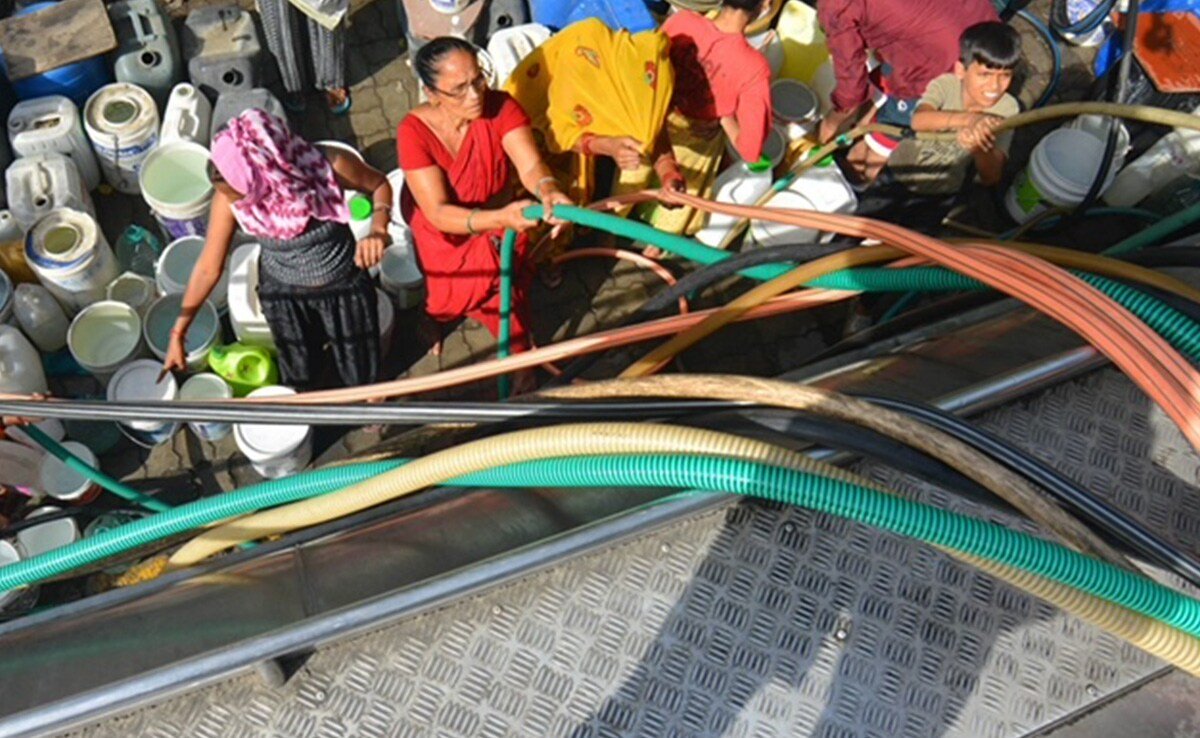
Bengaluru is stepping up measures to address acute water scarcity in 65 identified wards, as municipal authorities aim to safeguard residents from shortages during the peak summer months. The move follows warnings from urban water experts about declining groundwater levels, highlighting the urgency of sustainable water management in rapidly growing urban areas.
City planners and municipal engineers have prioritised these wards for immediate interventions, including repairing pipelines, enhancing groundwater recharge through treated water in local lakes, and establishing temporary water distribution points for high-density residential clusters. Officials are also reviewing the adequacy of water storage infrastructure, such as overhead tanks and local reservoirs, to ensure uninterrupted supply. Urban planners note that the initiative reflects a broader challenge facing fast-expanding cities: balancing population growth with finite water resources. “Ensuring equitable water access requires both infrastructural upgrades and behavioural changes among residents,” said a senior municipal engineer. Measures under consideration include restricting non-essential use of potable water, incentivising water-saving devices in homes, and closely monitoring large-scale consumption points, such as apartment complexes.
Private water suppliers currently fill gaps in municipal supply in some wards, raising concerns about quality and cost. Local residents report that unverified water sources occasionally carry contaminants, underscoring the need for reliable, traceable public water infrastructure. Experts suggest that expanding municipal tanker services and operationalising local ground-level reservoirs could reduce dependency on these unregulated providers, improving both public health and affordability. The municipal borewell and water treatment departments are being instructed to maintain operational integrity across the targeted wards, including regular maintenance of reverse osmosis plants and borewells. Such efforts aim to secure both immediate water availability and long-term urban resilience, particularly in districts where groundwater extraction has historically exceeded replenishment.
Analysts highlight that this initiative could also influence real estate dynamics, as reliable water access is increasingly a critical factor in residential and commercial property decisions. Enhancing supply in water-stressed wards may stabilise housing demand and support sustainable urban growth. Going forward, municipal authorities plan to monitor the impact of these interventions closely and explore longer-term strategies for climate-resilient urban water management. Expanding treated water utilisation, improving storage infrastructure, and ensuring equitable distribution will be essential to protecting Bengaluru’s residents from recurring shortages.