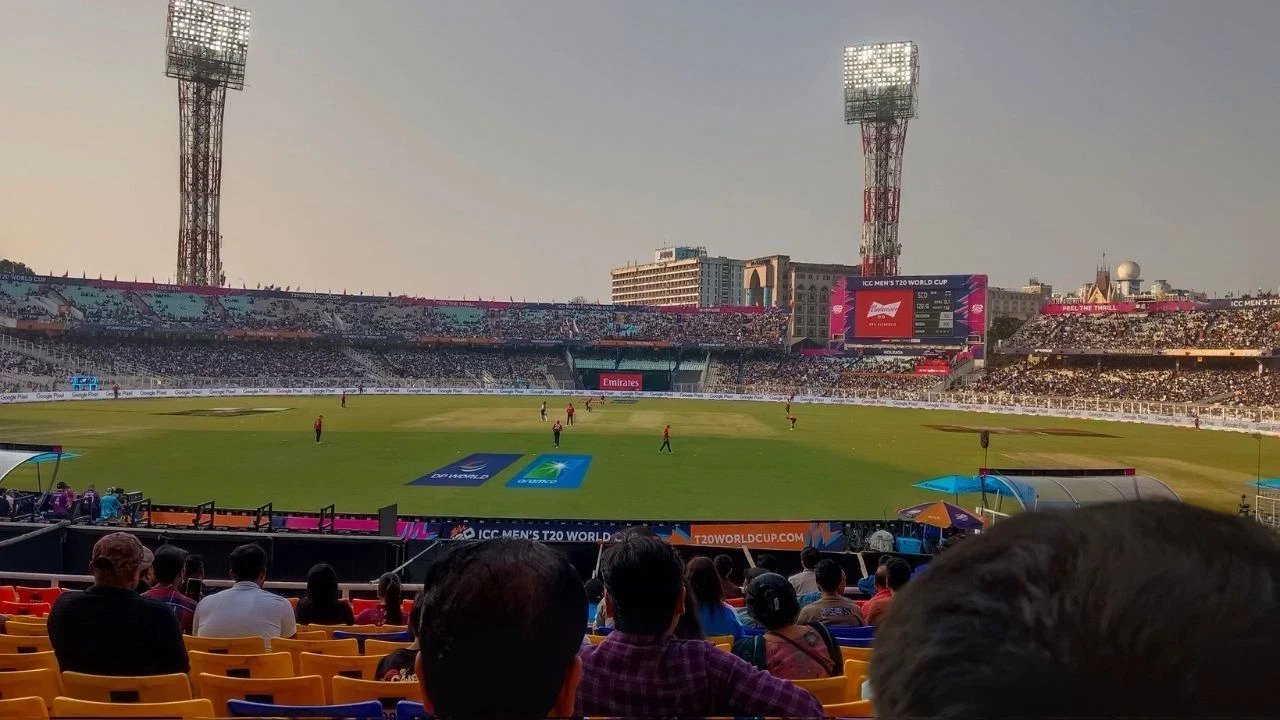
Kolkata Braces For T20 Clash As Weather Stays Clear
Kolkata is set to witness a high-stakes T20 World Cup Super 8 match as India faces West Indies at Eden Gardens, with weather conditions expected to support uninterrupted play. This fixture carries critical implications for both teams, as the winner will advance to the semi-finals, underscoring the sporting and economic stakes tied to major urban venues.
Urban planners and event managers note that large-scale matches such as this are not just about cricket; they influence city mobility, local commerce, and urban infrastructure utilisation. With thousands expected to converge on Kolkata’s historic stadium precinct, road traffic, public transport demand, and civic services are being closely coordinated to ensure smooth operations. India entered the contest following a decisive victory against Zimbabwe, in which strategic changes to the batting order yielded early momentum. Senior players contributed key performances, providing both runs and tactical stability. Analysts highlight that the team’s adaptability under pressure reflects a broader trend in Indian cricket, where data-driven selection and situational flexibility are increasingly shaping outcomes.
West Indies, in contrast, are seeking redemption after a prior loss to South Africa. Urban event coordinators point out that matches with high elimination stakes significantly influence fan attendance and local business revenue. Hotels, food vendors, and ancillary service providers in Kolkata’s central districts anticipate a notable uptick in economic activity during match days, illustrating how sports events intersect with urban economies. Meteorological updates indicate that the evening skies over Kolkata will remain clear, with temperatures ranging between 25 and 28 degrees Celsius. Humidity is expected to hover above 70 percent, while wind speeds are forecasted at 10–22 km/h. Experts suggest these conditions are conducive to uninterrupted play, reducing risks of delays or rescheduling that could affect both team strategies and city logistics.
From an urban sustainability perspective, managing large events under changing climate conditions remains a priority. City authorities have been emphasising crowd management, waste reduction, and energy-efficient lighting in stadium precincts to align with zero-carbon objectives. Ensuring these measures during high-visibility events reinforces the city’s commitment to climate-resilient infrastructure and people-first urban planning. As Kolkata prepares for this pivotal encounter, attention will focus not only on the result but also on how the city accommodates tens of thousands of visitors in an environmentally responsible, inclusive, and efficient manner. The outcome will define semi-final qualification while providing a real-world test of urban systems under peak load, offering insights for future large-scale sporting and cultural events.