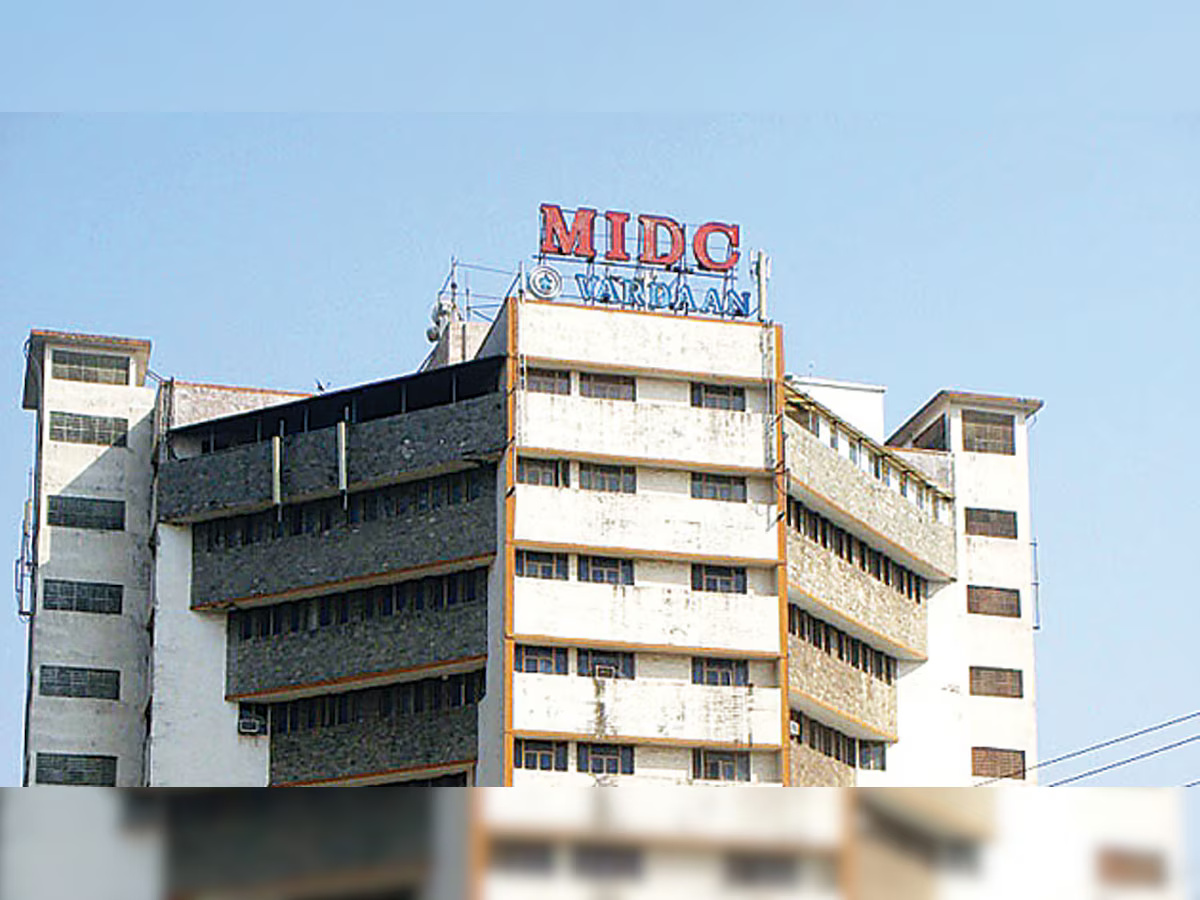
MIDC Moves To Secure 3000 Hectares For Steel Mega‑Project
In a significant push to catalyse industrial growth in eastern Maharashtra, the Maharashtra Industrial Development Corporation (MIDC) has initiated the land acquisition process for a large‑scale 25 million tonne steel plant being planned by JSW Group in Gadchiroli district. The corporation has formally submitted a proposal to the local sub‑divisional officer to acquire approximately 3,000 hectares of land spanning 14 villages in Chamorshi tehsil, a move that could reshape the region’s economic landscape over the next decade.
The proposed steel complex — with a projected investment of around ₹1 lakh crore — aims to establish one of India’s largest integrated steel manufacturing facilities in a part of the state traditionally on the margins of industrial development. The land identified for acquisition has already been earmarked for industrial use, positioning the project as a flagship component of Maharashtra’s strategy to expand heavy industry beyond the state’s western and central nodes.Under the ‘pass‑through’ acquisition model, MIDC will purchase the land directly from local landowners and transfer it to JSW, which will reimburse compensation. The MIDC proposal is understood to be the penultimate administrative step before the sub‑divisional officer issues the formal acquisition notification, which clears the way for detailed planning and eventual construction.Government and industrial analysts argue that this initiative dovetails with a broader policy push to develop Vidarbha and eastern Maharashtra as steel and manufacturing hubs, attracting downstream investment, enhancing logistics, and generating employment in a region with comparatively lower industrial density. Recent state policy announcements envisage substantial investment in steel capacity and ancillary sectors in this part of the state, alongside infrastructure improvements aimed at linking rural economies with national supply chains.
Supporters say the project could be transformative for Gadchiroli — long challenged by limited industrial diversification and socio‑economic disparities — by directly creating jobs and stimulating allied industries such as logistics, power and component manufacturing. However, the scale of the acquisition underscores the complex task of aligning industrialisation with sustainable land use, community livelihoods and ecological balance, especially in a district where forests and tribal settlements comprise large parts of the landscape.MIDC’s land acquisition strategy does not operate in isolation: other companies, including Lloyds Metals and Energy Limited (LMEL), have proposed expansions, while players like Surjagad Ispat and Supersmelters Limited have also indicated interest in establishing or enlarging operations in the district. These parallel proposals reflect a concentrated industrial momentum in Gadchiroli, strengthening its profile as a potential steel hub in the Mumbai–Nagpur–Chhattisgarh industrial corridor.
Yet, local stakeholders and urban planners stress the importance of inclusive consultation mechanisms and compensation frameworks that protect the interests of farmers, tribal communities and small landholders. Land acquisition for industrial projects in rural areas across India has historically provoked anxieties around displacement, access to justice and equitable benefit sharing — lessons that planners say should inform how Gadchiroli’s development is managed.
Execution of the acquisition — and how MIDC manages resettlement, environmental safeguards and infrastructure readiness — will be closely watched by investors and policy makers alike. If implemented with transparency and community engagement, the steel project could serve as a template for balanced industrialisation in frontier regions, blending economic growth with resilient, people‑centred development.