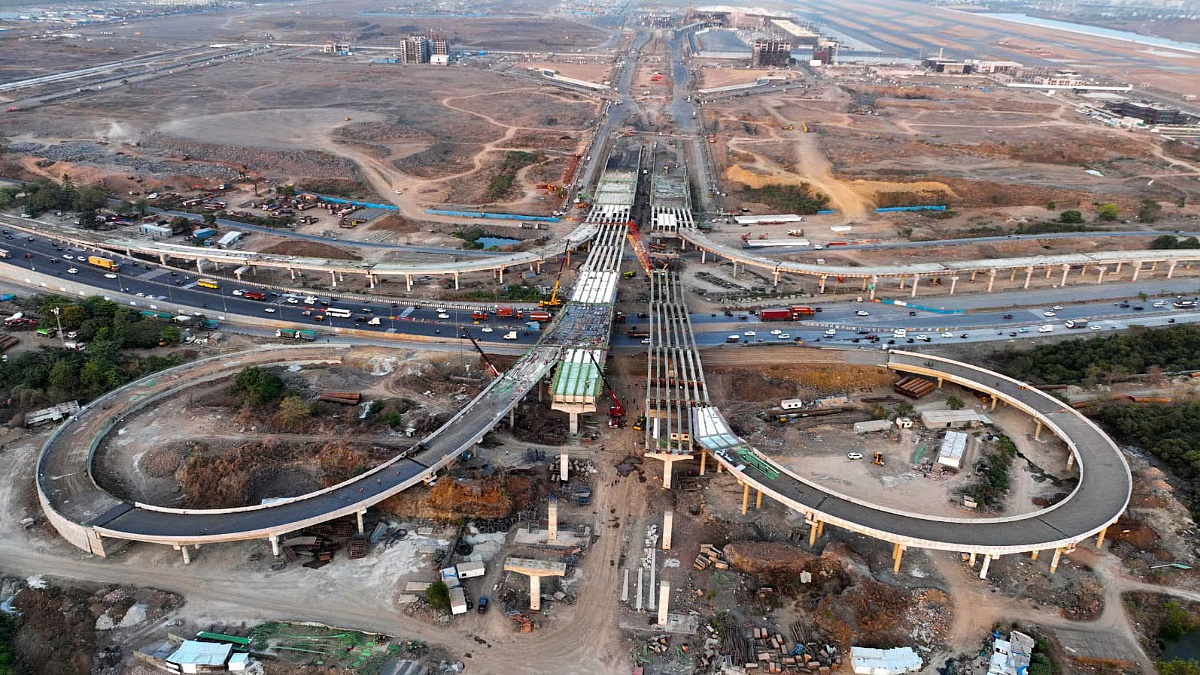
Navi Mumbai Airport Boosts Connectivity And Regional Routes
Navi Mumbai International Airport has transitioned from a long-anticipated infrastructure project to an active node in India’s aviation network, reshaping air travel dynamics in the Mumbai Metropolitan Region and beyond. As scheduled commercial operations gain momentum, the airport is enhancing connectivity across key domestic markets while underscoring broader implications for regional economic growth, commuter convenience and urban mobility planning.
The airport’s maiden commercial flights began with a Bengaluru-to-Navi Mumbai service and a corresponding departure to Hyderabad, both operated by IndiGo on the first day of scheduled operations. Terminal operations commenced early in the morning, marking a symbolic shift in how the region’s aviation infrastructure caters to passengers departing from the Mumbai metropolitan area.Operational advancements are now extending beyond initial services. IndiGo has announced a significant expansion of regional connectivity from the airport, set to begin on 29 March 2026. The carrier will deploy ATR turboprop aircraft on six new direct routes linking Navi Mumbai with Ahmedabad, Diu, Goa, Rajkot, Belgaum and Kolhapur. This network extension reflects a strategic effort to integrate tier-2 and tier-3 cities into the region’s air travel ecosystem.Urban and transport planners view this development as a pivot toward more distributed access points within India’s aviation landscape. Historically, Chhatrapati Shivaji Maharaj International Airport in Mumbai has served as the dominant hub for domestic and international flights. The operationalisation of Navi Mumbai International Airport helps decongest this legacy facility while offering alternatives for airlines and passengers seeking efficiency and reduced transit friction.
Economists highlight that improved air connectivity can catalyse economic activity in peri-urban and regional centres. Daily flights to destinations such as Ahmedabad and Goa support commerce, tourism and business travel, factors that can stimulate job creation and local enterprise growth. Moreover, shorter point-to-point flights reduce reliance on long ground journeys, contributing to lower emissions and aligning with sustainable transport objectives.However, challenges remain. Connectivity to the airport’s terminal from urban cores still depends heavily on road transport, with public transit links such as dedicated rail or metro connections not yet fully established. Integrated transport planning experts emphasise that seamless multimodal access — including rail, metro and bus linkages — will be crucial for maximising usage and ensuring equitable benefits across socioeconomic groups.Passenger experience factors also warrant careful attention. Early traveller feedback indicates variability in on-site facilities and travel conveniences, particularly for first-time flyers navigating the new infrastructure. Ensuring robust support services and clear signage will be essential as flight frequencies scale up.
Looking ahead, airlines such as IndiGo are positioning Navi Mumbai International Airport as a key regional hub, anticipating further route expansions and frequency increases. For city planners and regional policymakers, the airport’s success will hinge on harmonising aviation growth with transport connectivity, urban planning and sustainability goals that benefit both metropolitan and regional communities.