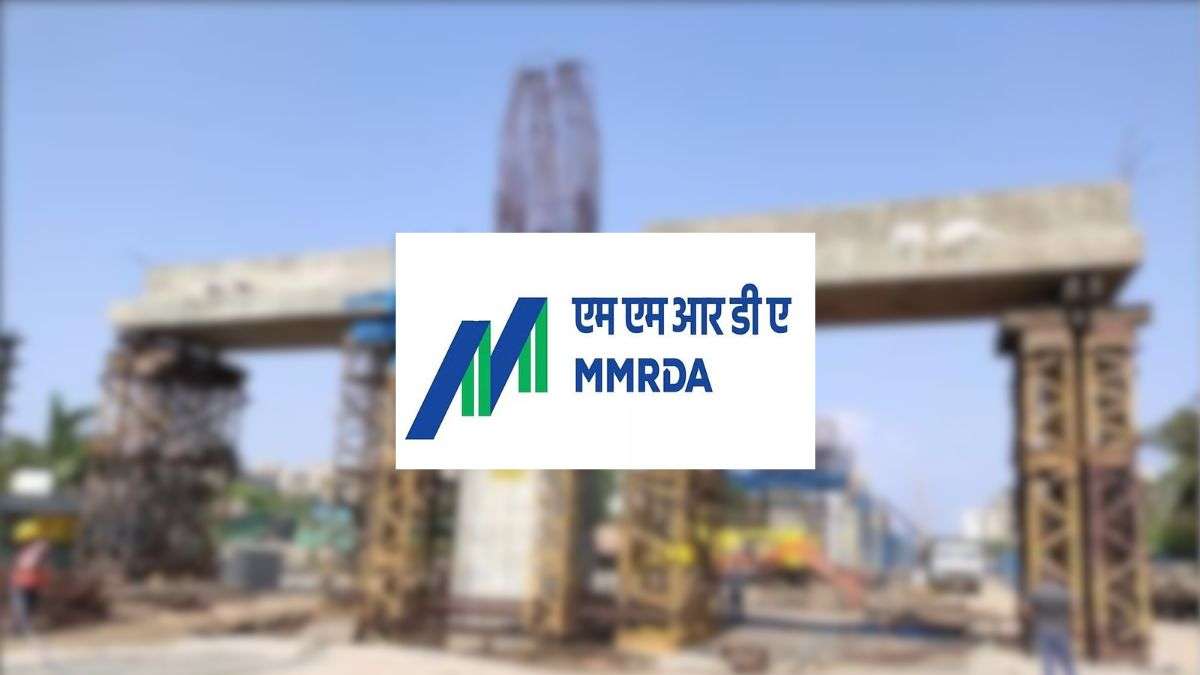
Mumbai Sees Progress On Elphinstone Double Decker Bridge
A long-anticipated upgrade to one of the city’s most critical east–west connectors is gaining momentum as the Mumbai Metropolitan Region Development Authority (MMRDA) and the Maharashtra Rail Infrastructure Development Corporation (MRIDC) solidify timelines for the city’s first double-decker road over bridge (ROB) at Elphinstone. Project planners now aim to open the lower deck by April 2026 and complete the full structure by September 2026, signalling renewed focus on easing persistent traffic bottlenecks in central Mumbai and linking local and through traffic more efficiently.
The Elphinstone bridge, originally built in the early 20th century, has long been a choke point over active railway lines. Its current reconstruction replaces the century-old steel framework with a modern double-deck corridor designed to carry both local traffic and connect into the Sewri–Worli elevated route, an arterial spine that marries south–north traffic flows with the city’s broader expressway network.Officials say the staged delivery — prioritising the lower deck’s April completion — reflects an effort to relieve congestion ahead of monsoon season and integrate the new structure with adjacent connective routes. The upper deck, which will link directly to high-capacity corridors, is now targeted for September, compressing construction timelines without sacrificing engineering standards.Urban planners frame the bridge upgrade as more than a hardware project: it addresses chronic transport fragmentation in one of Asia’s most densely built cities. By separating local and fast-moving traffic on different levels, Mumbai can reduce intersection delays, enhance pedestrian safety and improve journey time reliability for commuters, freight and public transport alike.
Yet the project underscores the complexity of urban infrastructure delivery in a built-out metropolis. Dismantling the old bridge over live railway lines has required precisely scheduled night closures and coordinated work blocks to avoid disruption to suburban rail services, which carry millions of passengers daily. Engineers describe this phase as among the most challenging given the limited window for heavy machinery and stringent safety protocols around live tracks.Local community advocates, while supportive of improved connectivity, stress that construction impacts — including noise, dust and temporary route diversions — must be managed with sensitivity to neighbourhood livelihoods. They also point to the need for inclusive pedestrian access and barrier-free design on the new structure, especially for elderly and differently abled commuters.The broader context of Mumbai’s transport strategy reveals a push toward vertical and multi-modal infrastructure in areas facing land scarcity. With projects such as the Sewri–Worli elevated connector and coastal road expansions underway, planners see the Elphinstone ROB as a critical link in decentralising peak traffic flows and enhancing urban economic resilience.
As the April and September milestones approach, public agencies face the dual test of adhering to compressed deadlines and delivering a structure capable of supporting future growth while minimising disruption to daily life. For a megacity where mobility shapes productivity and quality of life, the bridge’s progress will be closely watched by commuters, businesses and civic stakeholders alike.