Bengaluru Sees Limited Disruption During Cauvery Bandh
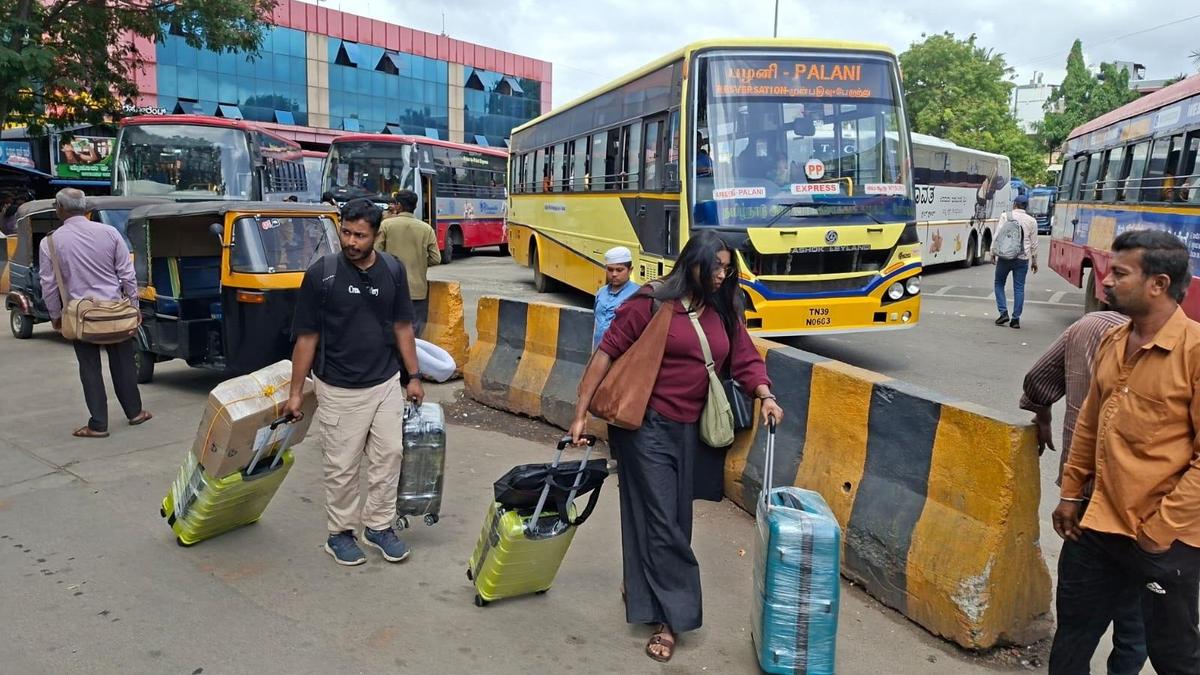
Bengaluru experienced limited disruption during the Cauvery bandh, with buses, Metro services, shops and much of the city’s commercial activity continuing largely as normal. The relatively subdued response highlighted the growing importance of maintaining everyday urban mobility even when citywide shutdown calls are made, particularly for workers and residents dependent on public transport.
Public transport remained operational across much of Bengaluru during the bandh, allowing commuters to continue travelling to workplaces, educational institutions and essential services. Metro operations also continued, providing an important alternative for passengers where road-based movement was affected. Commercial activity similarly showed resilience. While some establishments observed the shutdown call, many shops and businesses remained open. The uneven response meant that the impact varied considerably between neighbourhoods rather than producing a uniform citywide slowdown. The limited disruption is significant for Bengaluru’s urban economy. The city depends heavily on daily movement of workers across technology districts, industrial areas, commercial centres and residential neighbourhoods. Even a single day of widespread transport stoppages can affect attendance, deliveries, small businesses and service-sector operations. Public transport continuity was particularly important for households that do not have access to private vehicles. Bengaluru’s buses and Metro network carry large numbers of passengers each day, making their availability critical to maintaining access to employment, healthcare, education and other essential activities.
The episode also illustrates the economic value of transport redundancy. Where Metro services and bus routes continue operating, residents have alternatives when individual roads or areas experience disruption. Strengthening these networks can make Bengaluru more resilient not only during protests or shutdowns but also during heavy rainfall, roadworks and other disruptions. For businesses, predictable access can be equally important. Retailers, restaurants, delivery workers and smaller enterprises often operate with limited margins and may be disproportionately affected by sudden reductions in footfall. Maintaining transport connections can help prevent local disruptions from becoming broader economic losses. At the same time, a limited citywide impact should not obscure the underlying Cauvery dispute or the concerns that periodically lead to such shutdown calls. The urban challenge is to ensure that public demonstrations can take place while essential services and mobility remain accessible to residents. The day’s relatively normal functioning offers a useful lesson for Bengaluru’s resilience planning.
A city cannot depend on uninterrupted conditions; it needs transport systems capable of continuing essential movement under stress. Future planning should therefore prioritise reliable mass transit, coordinated traffic management and clear public communication during periods of disruption. Keeping people moving safely and affordably is central to protecting both Bengaluru’s economic activity and the everyday needs of its residents.