


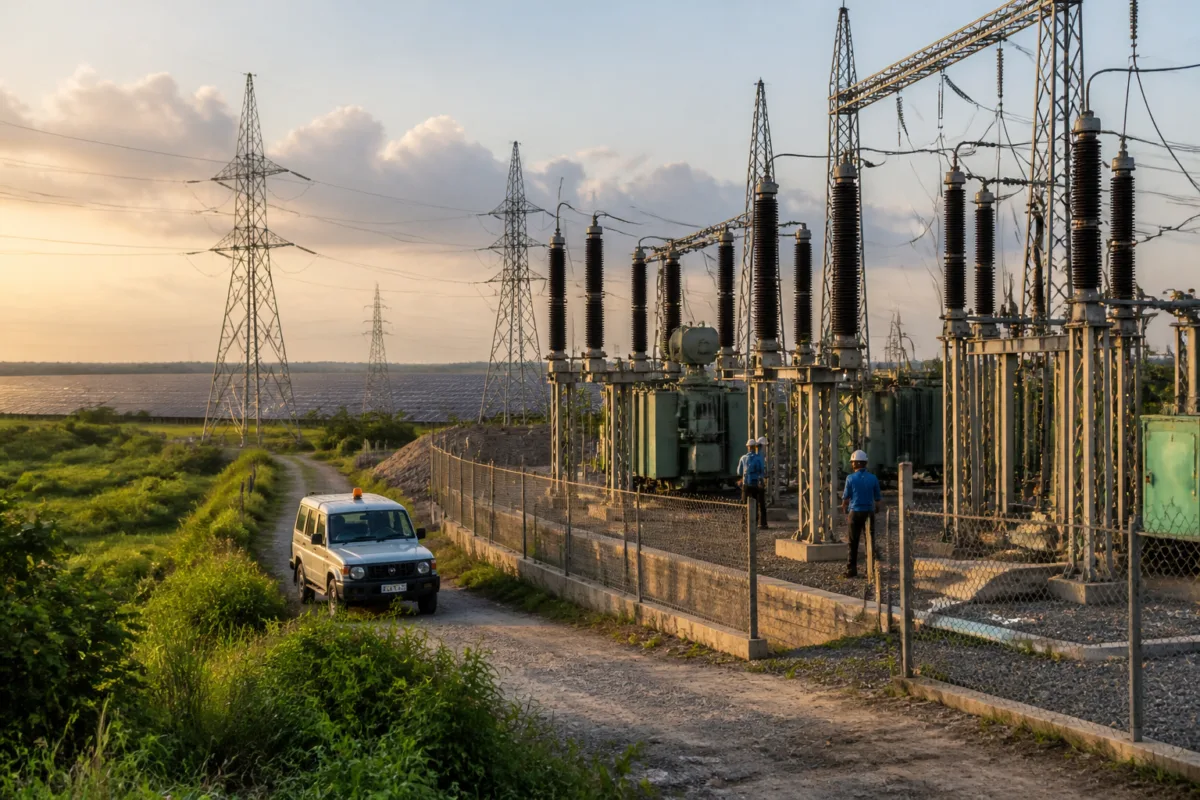
West Bengal’s 25-year renewable power arrangement with an Adani group subsidiary has triggered a political dispute over procurement transparency, even as the state faces rising electricity demand and tighter renewable energy obligations.
Adani Energy Solutions Ltd (AESL) said it had won the contract through a competitive bidding process to supply round-the-clock renewable power to the West Bengal State Electricity Distribution Co. Ltd (WBSEDCL). The arrangement involves an initial capacity of 1,750MW, with supply scheduled to begin on July 1, 2028. A further 750MW is expected to start on April 1, 2029, according to the report.
The Trinamool Congress questioned the long-term commitment on Sunday and alleged favouritism. In a statement on X, the party said the subsidiary had received a letter of award from WBSEDCL and argued that long-duration power contracts involving public resources required greater transparency and accountability. The party did not provide evidence in the statement to establish that the bidding process had been improperly conducted.
The allegations followed AESL’s announcement a day earlier. Kandarp Patel, the company’s chief executive, said round-the-clock renewable power would support the energy transition, improve transmission efficiency and help meet Bengal’s long-term electricity requirements, according to the report.
The proposed supply is also linked to WBSEDCL’s renewable purchase obligation, or RPO. The obligation currently stands at about 33-35 per cent and is expected to rise to 52 per cent by 2035. The power purchase agreement is intended to help the distribution company meet those requirements as India pursues its broader energy transition and a net-zero target for 2070.
The scale and duration of the arrangement make the procurement process relevant beyond the immediate political confrontation. A 25-year commitment can shape a distribution utility’s future power portfolio, renewable compliance strategy and exposure to changing electricity demand. It also raises the importance of clear disclosure on the awarded capacity, scheduled phases, pricing and the conditions attached to delivery, although those details were not provided in the report.
A resource adequacy study released last December by the Central Electricity Authority under the Union power ministry projected that West Bengal’s annual electrical energy requirement would grow at a compound annual growth rate of 5.46 per cent between 2025-26 and 2035-36. Peak electricity demand was projected to grow by 5.38 per cent over the same period.
Those projections provide the utility rationale for securing future supply, but they do not by themselves settle the political questions raised by the Trinamool Congress. The distinction between a competitively awarded contract and an allegation of preferential access will depend on the tender record, evaluation process and publicly available terms of the agreement. Neither the state government nor WBSEDCL’s response to the allegations was included in the report.

