


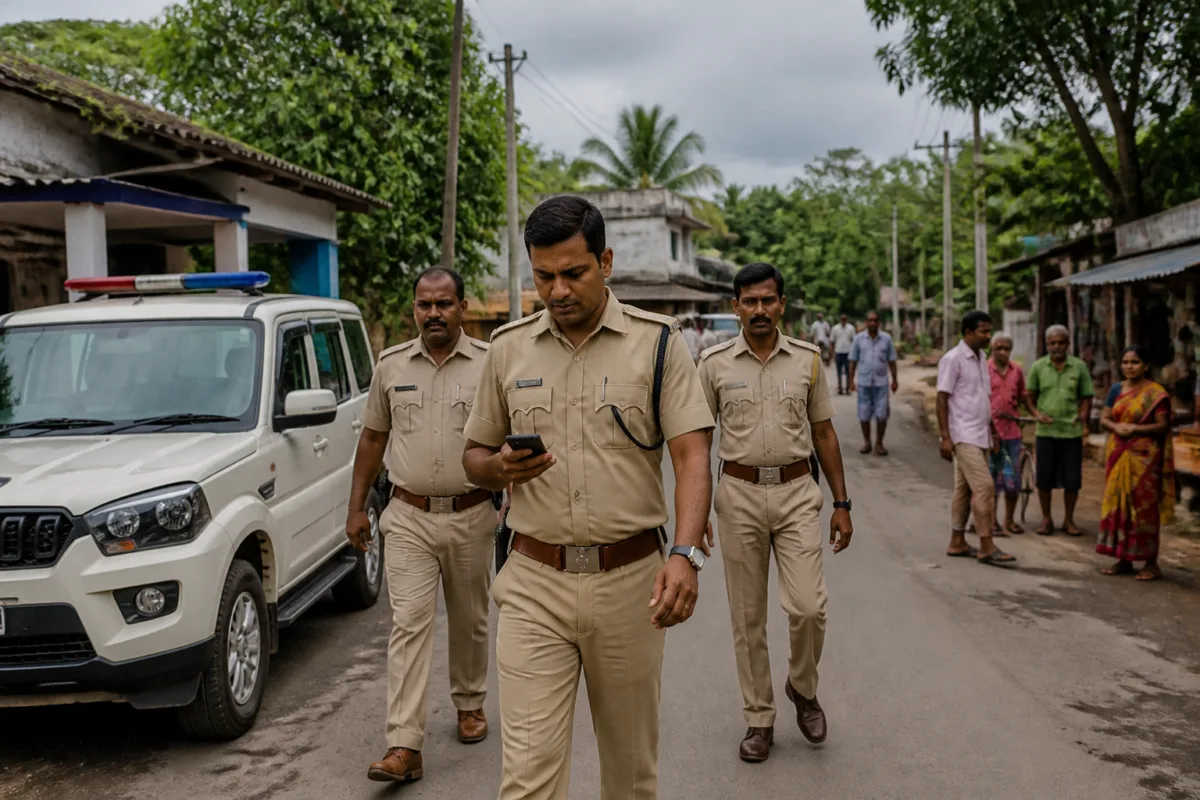
West Bengal has launched a police app and ordered beat-based patrolling across all police station areas as part of a wider effort to improve public access to law enforcement, modernise the state police and reduce dependence on civic volunteers. The measures were announced at Nabanna on Friday, alongside a memorandum of understanding with the Bureau of Police Research and Development (BPR&D) for police infrastructure development.
The “Police Mitra” app is intended to help residents in cities and remote villages contact their designated beat officer and share information related to crime. Chief Minister Suvendu Adhikari said the system would be effective only if residents knew which officer was responsible for their area and had access to that officer’s mobile number.
Under the new beat policing arrangement, several villages will be grouped into a single beat in rural areas. At the police station level, the initial deployment will consist of one officer leading seven or eight constables and civic volunteers for patrols and local monitoring, according to the report. The chief minister acknowledged that the state police faces a major staff shortage and said recruitment had begun but would take time.
At the same time, Adhikari directed the state police leadership to work towards reducing its reliance on civic volunteers. The report said the state would follow models used in Chandigarh and Puducherry, including separate and specific arrangements for the safety of women and children.
West Bengal has about 38,000 villages, and officers assigned to monitoring them are to be provided with laptops, tablets, printers and dedicated mobile phones for recording public-interaction activities. These devices are intended to support communication, documentation and the transfer of crime-related information between local police units and higher authorities.
The BPR&D memorandum was signed in the presence of the agency’s Director General Alok Mittal. The central organisation is expected to work with the state on police modernisation, infrastructure and coordination. Adhikari also stressed coordination between central and state agencies on law and order, including the sharing of information concerning crimes against women, cases under the Protection of Children from Sexual Offences Act and drug trafficking.
The report said regular joint coordination meetings are being held at district and police station levels in 11 border districts with the Border Security Force and other central agencies. The chief minister linked the arrangement to a broader effort to improve cooperation between the state and central institutions.
A separate memorandum has also been signed with Gujarat-based Raksha University for training newly appointed and serving police personnel. Senior officials present at the event included Chief Secretary Manoj Agarwal, Home Secretary Sanghamitra Ghosh, Director General of Police Siddhanath Gupta, Additional Director General of Police (Law and Order) Ajay Ranade and senior officers from 34 police districts. The state is expected to begin implementing the beat-based patrol system across police station areas as part of the announced policing programme.

