


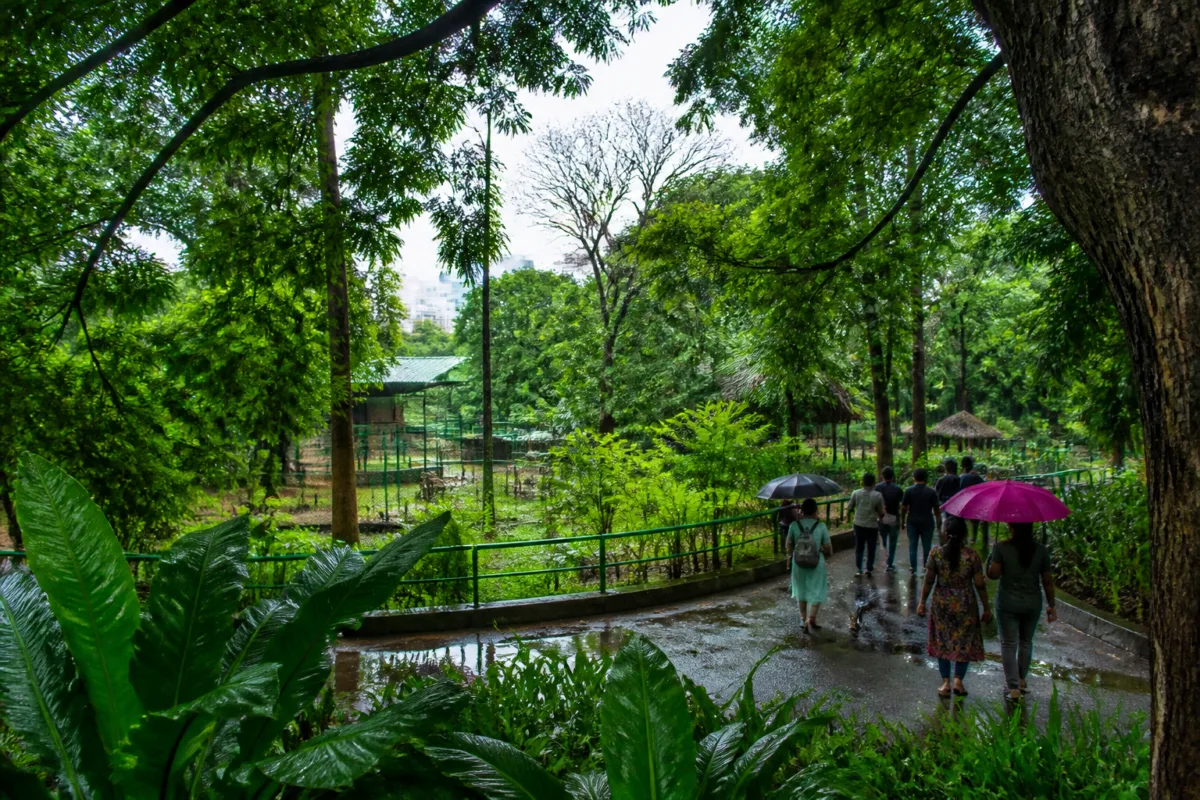
The proposed relocation of Thiruvananthapuram Zoo has become a test of how the city treats its established green spaces, public institutions and ecological heritage. Tree Walk, a Thiruvananthapuram-based collective of nature lovers, has petitioned Kerala Chief Minister V D Satheesan to hold a public hearing, explain the relocation proposal and drop the plan, arguing that the change could damage the city’s social fabric, tourism value and ecological balance.
The petition, reported by the Times of India, reflects a dispute that is larger than the future of an animal facility. It concerns the status of a long-established urban landscape and the process through which decisions affecting it are made. Tree Walk has argued that the public has not received a satisfactory explanation for the proposed relocation, despite the zoo being described as a defining landmark of Thiruvananthapuram.
That gap in explanation is central to the controversy. The collective has asked the chief minister to present the reasons for relocation clearly and to initiate a public hearing or open dialogue with citizens. Its position is that a project affecting a prominent public space should move forward only after collective consultation and a process that reflects public opinion.
The issue also exposes the difficulty of evaluating urban land only through its visible primary use. A zoo may be understood principally as a place where animals are housed and displayed. Tree Walk’s petition argues that the Thiruvananthapuram site performs a wider ecological function, supporting trees, birds, insects, amphibians and other forms of urban biodiversity. The collective has asked the government to consider protecting the area as a natural heritage site.
Two studies attached to the petition form the basis of that argument. Trees of Thiruvananthapuram Museum and Zoo, by Namitha L H and Gangaprasad A, and The Emerald Island, by Balachandran V and Suresh Elamon, are cited by Tree Walk as documenting the landscape’s unique microclimate and the ecological relationship between its green spaces and living organisms.
According to the collective, the zoo landscape contains rare and endangered trees, native species and exotic fauna. It also provides habitat for migratory birds, butterflies, dragonflies, frogs and other wildlife. These claims are presented in the petition as evidence that the site’s importance extends beyond the animals housed there. The proposed change, Tree Walk says, cannot be implemented without putting this biological system at risk.
The available report does not provide details of the government’s relocation plan, including the proposed site, project design, land requirements, cost, implementation timeline or the stated administrative reasons for moving the zoo. It also does not record a formal response from the chief minister or another government authority to the petition. These missing details make the demand for public disclosure particularly important: without them, citizens cannot assess what problem the relocation is intended to solve or what alternatives have been considered.
This is a familiar governance challenge in urban development. Public authorities often assess a site through a project’s stated purpose, while residents and civic groups assess it through accumulated social, cultural and environmental value. Both forms of value can exist simultaneously. A facility may require improvement, expansion or operational change, while the land on which it sits may also support mature trees, wildlife and a recognisable civic identity.
The petition suggests that Tree Walk regards the proposed relocation not as a routine administrative adjustment but as a potential transformation of a living urban ecosystem. Its members include environmental scientists, teachers, students, artists, writers and architects. The collective says it has spent 14 years bringing knowledge about Thiruvananthapuram’s green wealth to the public through study and observation. Its intervention is therefore rooted in a sustained engagement with the city’s landscape rather than a one-time reaction to the proposal.
The ecological argument is significant because urban biodiversity is often dispersed across institutional sites that were not originally planned as conservation areas. Large compounds, campuses, botanical landscapes and older public facilities can retain mature vegetation and provide habitat within built-up areas. The report does not establish the full ecological value of the zoo through an independent assessment, but the studies cited by Tree Walk indicate that the site has been examined as a distinct urban habitat.
The reference to a unique microclimate is also important. Green cover, mature trees and open land can influence local environmental conditions, although the supplied report does not provide measurements or comparative data for the zoo site. Any decision on relocation would therefore need to distinguish between general claims about greenery and documented evidence about the site’s specific ecological functions. The petition’s demand for consultation creates an opportunity for that evidence to be placed in the public domain.
The tourism dimension adds another layer. Tree Walk describes the zoo as a defining landmark of Thiruvananthapuram and argues that relocation could reduce the city’s tourism value. The report does not provide visitor numbers, revenue figures or research comparing the existing site with a proposed alternative. Nevertheless, the claim points to the role of longstanding public institutions in shaping how a city is experienced. A landmark’s value may arise not only from its formal attraction but also from its location, history, landscape and relationship with other civic destinations.
Its social value is similarly difficult to capture through a project report. The petition refers to the zoo’s place in the city’s social fabric and says that the proposed shift has unsettled the public. That concern implies that the site is part of the city’s shared memory and everyday civic geography. The article does not quantify public opinion, and the petition cannot by itself demonstrate that the entire city opposes relocation. It does, however, establish that an organised civic group is seeking a formal public process rather than a decision announced without explanation.
The institutional question is who should determine the future of such a site and on what evidence. Tree Walk has directed its appeal to the chief minister, asking him to take the initiative for a public hearing or open dialogue. The appeal places responsibility for consultation at the highest political level mentioned in the report. It also frames the issue as one of democratic procedure, arguing that disregarding the interests and opinions of citizens would be contrary to democratic principles.
A public hearing would not automatically settle the relocation question. It would, however, create a mechanism for the government to disclose the proposal, explain its objectives and hear competing views. For citizens, the value of such a process would depend on the quality of information provided: the reasons for moving the zoo, the condition and capacity of the existing facility, the characteristics of any alternative site, the ecological impact of construction and the proposed treatment of the current landscape.
The petition’s request to recognise the zoo area as a natural heritage site also shifts the policy frame. Instead of treating the land only as an institutional property, it asks the government to evaluate it as part of the city’s natural heritage. The supplied material does not indicate whether Kerala has begun any formal heritage assessment or whether the site has an existing protected status. That uncertainty is itself relevant because the implications of relocation would differ depending on the legal and administrative protections governing the land.
The available evidence therefore confirms a public dispute, not the final shape of a government project. Tree Walk has opposed relocation, cited two studies, described ecological and civic concerns, and requested a public hearing. The government’s case for relocation, the proposed destination and the technical assessment of the current site remain unspecified in the supplied report. Those facts should be established before the proposal is treated as either an inevitable development project or an established environmental threat.
What happens next will show whether Thiruvananthapuram treats consultation as an early part of urban planning or as a response after opposition has emerged. The immediate institutional test is whether the government publicly explains the relocation proposal and provides a forum in which its ecological, tourism, social and operational consequences can be examined. Until that information is placed before citizens, the debate will remain shaped more by apprehension and assertion than by a shared evidence base.

