


The Telangana power crisis has intensified politically after BRS Legislature Party deputy leader T Harish Rao demanded the withdrawal of a Rs 5,420-crore true-up burden and accused the State government of failing to address power shortages affecting farmers and other consumers.
Speaking on Wednesday, Rao targeted Deputy Chief Minister Mallu Bhatti Vikramarka, alleging that he had not answered questions about the true-up charges or explained the government’s position on the burden. Rao said the charges should be withdrawn immediately and warned that the BRS would begin a public agitation if they remained in place.
The true-up mechanism relates to the recovery of past power-sector costs through charges imposed on consumers. In his remarks, Rao questioned how the government could claim uninterrupted electricity supply when, according to him, farmers were protesting outside substations and on roads over inadequate power. He also alleged that the State was facing both power and irrigation shortages because of administrative failures.
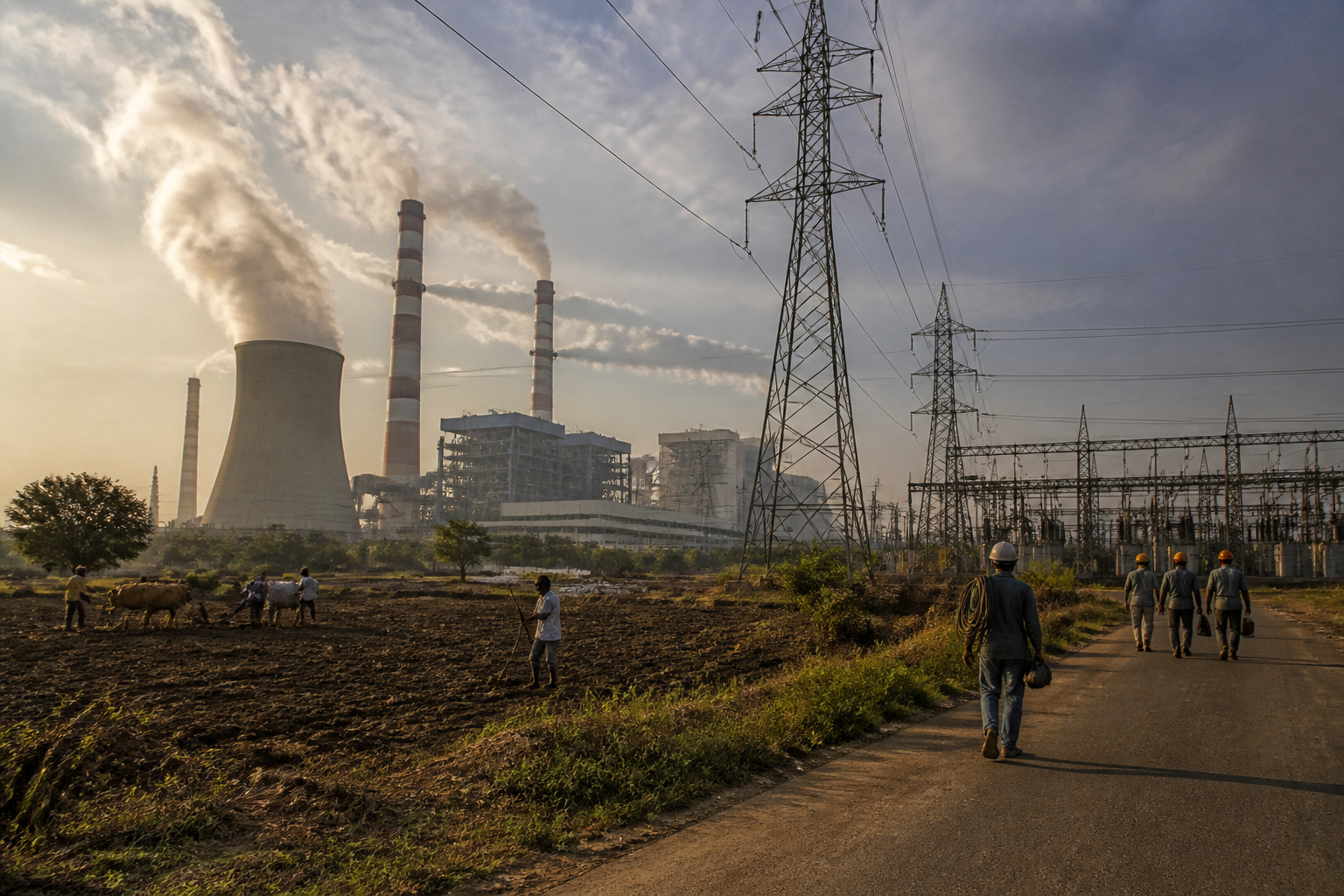
Rao further challenged the government’s explanation that El Niño conditions had contributed to the power situation. He alleged that generating units with a combined capacity of 3,000 MW at the Yadadri Thermal Power Plant, 540 MW at Bhadradri and 800 MW at the Kothagudem Thermal Power Station were not being operated. He also questioned why generation stood at 89 million units against an overall capacity of 140 million units.
The BRS leader disputed statements attributed to Bhatti about coal availability for the Yadadri plant. Rao cited a 2018 Union Coal Ministry allocation of 14 million tonnes per annum of G-9 grade coal from Singareni mines and asked why the government had said that Yadadri did not have a dedicated coal allocation during the previous BRS administration.
He alleged that the Congress government was shifting responsibility for inadequate coal stocks and lower thermal generation to the previous regime. The claims were made as part of a wider political dispute over electricity supply, plant operations and the cost of power-sector decisions. The material supplied for the report does not include a separate response from Bhatti to each of Rao’s allegations.
Rao also questioned the requirement for site-visit certification in Singareni coal tenders and sought an explanation for the proposed supply of 800 MW of Singareni power to Rajasthan. He asked why an NTPC offer to supply 1,600 MW without upfront investment had allegedly been rejected.
He described these decisions as harmful to Telangana’s power requirements and sought disclosure of an alleged proposal to establish an Energy Reforms Committee. According to Rao, the committee would examine initial public offerings and fresh borrowings by power-sector entities. He accused the government of creating conditions that could lead to privatisation, while also referring to employee protests against outsourcing coal and ash-handling operations at the Yadadri plant.
The dispute places the financial impact of power-sector accounting, the operation of thermal units and the reliability of electricity supply at the centre of Telangana’s political debate. Rao said the BRS would continue its agitation unless the Rs 5,420-crore burden was withdrawn.
