


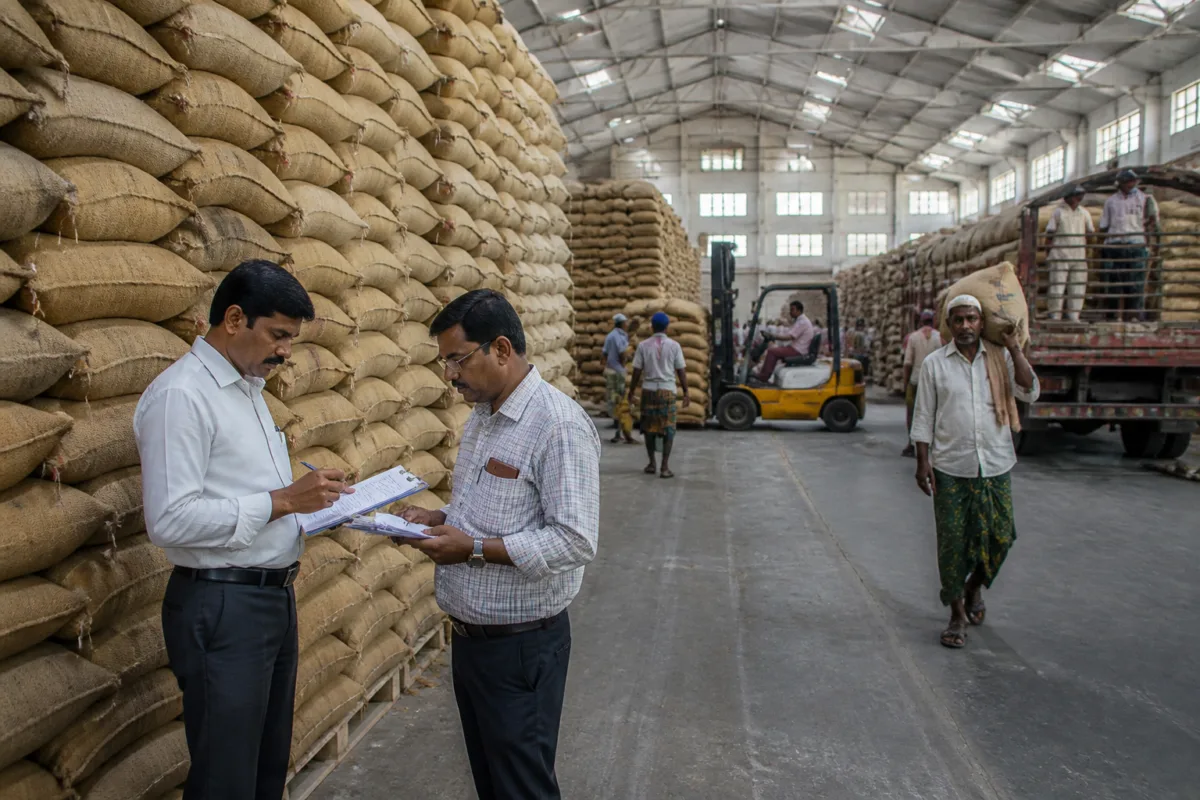
Telangana is preparing a larger foodgrain buffer and examining the addition of essential commodities to the public distribution system (PDS) to protect 3.4 crore beneficiaries from possible drought, crop losses and food price increases linked to the anticipated impact of El Nino.
Civil supplies and irrigation minister N Uttam Kumar Reddy directed officials to strengthen procurement and stock management at a high-level review meeting at the state secretariat. He asked the department to plan supplies in advance so that PDS distribution and other welfare programmes continue even if deficient rainfall affects upcoming agricultural seasons.
The state currently requires about 2.4 lakh metric tonnes of rice every month for the Central Pool Public Distribution System, Other Welfare Schemes and the State Pool. These requirements include supplies for the Mid-Day Meal programme and other welfare needs. The annual requirement is estimated at 28.6 lakh metric tonnes.
According to the stock position reviewed by the department, Telangana had 9.6 lakh metric tonnes of rice in buffer godowns as of October 16, 2026. This included 3.5 lakh metric tonnes held for the Central Pool and Other Welfare Schemes, and 6.1 lakh metric tonnes in the State Pool.
The department expects to receive another 18.4 lakh metric tonnes through pending Custom Milled Rice deliveries and other identified supplies. Existing stocks and these expected receipts together would take total availability to about 28 lakh metric tonnes, which officials estimated would cover combined PDS and welfare requirements for approximately 11 months, up to September 2027.
Reddy stressed that the state could not depend entirely on the success of the forthcoming paddy harvest and should prepare for adverse seasonal conditions. He also directed officials to ensure that rice expected from millers and other sources reaches government stocks on schedule. Based on present stocks, the department has a cushion of approximately five months before the pending receipts are counted.
The review also considered expanding the range of commodities distributed through the PDS. Wheat flour, red gram, palm oil, sugar, tamarind and chilli powder were among the items examined. The department has been asked to calculate the quantity required per beneficiary, identify procurement arrangements and estimate the financial burden under different distribution models, including subsidised distribution.
The proposal will be placed before the state cabinet after the department completes its assessment. The cabinet will determine whether the additional commodities should be added to the PDS and, if so, the scale and terms of distribution.
The proposed buffer is intended to protect households dependent on government food supplies from interruptions and price increases if crop production is affected. Its effectiveness will depend on timely procurement, delivery of pending milled rice and the financial and logistical feasibility of adding more commodities to the distribution network. Civil supplies commissioner Stephen Ravindra and other senior officials attended the review meeting.

