


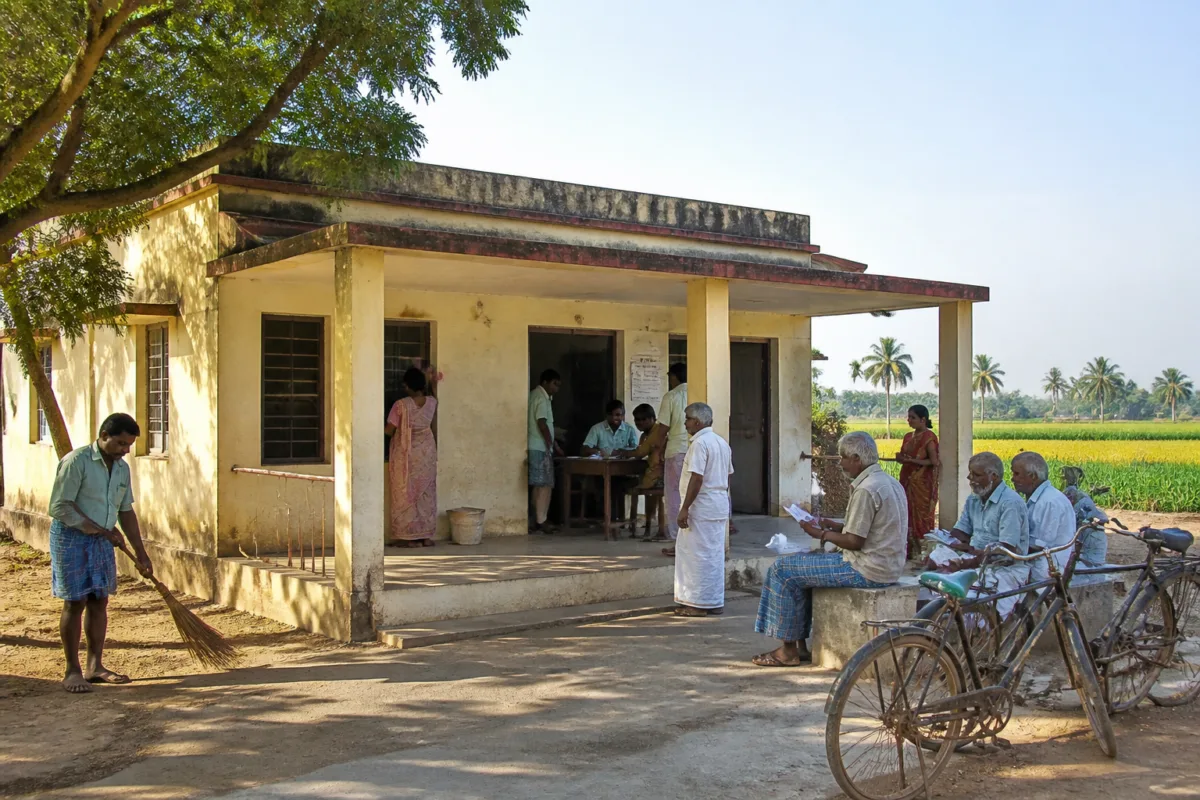
Tamil Nadu has allocated maintenance funds for 12,571 Village Administrative Officer (VAO) offices, with each office set to receive Rs 1,000 a month to support cleanliness and upkeep. The government order is intended to improve the condition of local offices that serve as important access points for certificates and civic records.
According to a report by Dinamalar, the allocation will amount to Rs 12,000 annually for each VAO office. The government is expected to spend Rs 15.1 crore a year on the programme across the state.
For the current financial year, the government has sanctioned Rs 8.85 crore to cover seven months of maintenance, from September through March. The report said the funds have been allocated through a government order for the maintenance of the offices during this period.
VAO offices are used by residents, farmers, students and traders for a range of public services. These include the issue of various certificates and the recording of information related to births and deaths. Their role places them among the most frequently accessed points of contact between rural residents and the state administration.
The funding decision comes against the backdrop of reported infrastructure problems in several districts. Some VAO offices are functioning from old buildings, while others have inadequate space. The government has decided to provide a dedicated monthly amount to ensure that these offices are kept clean and maintained.
The allocation is limited to routine maintenance support as described in the report. The supplied information does not specify whether the funds can be used for structural repairs, building expansion, rent, equipment or major renovation work. It also does not identify the department responsible for monitoring expenditure or provide a district-wise allocation.
The programme therefore establishes a recurring maintenance provision for VAO offices, while larger infrastructure constraints may require separate administrative or capital works. The current sanction covers the seven-month period from September to March, with the annual allocation set at Rs 15.1 crore thereafter, according to the government decision reported by Dinamalar.

