


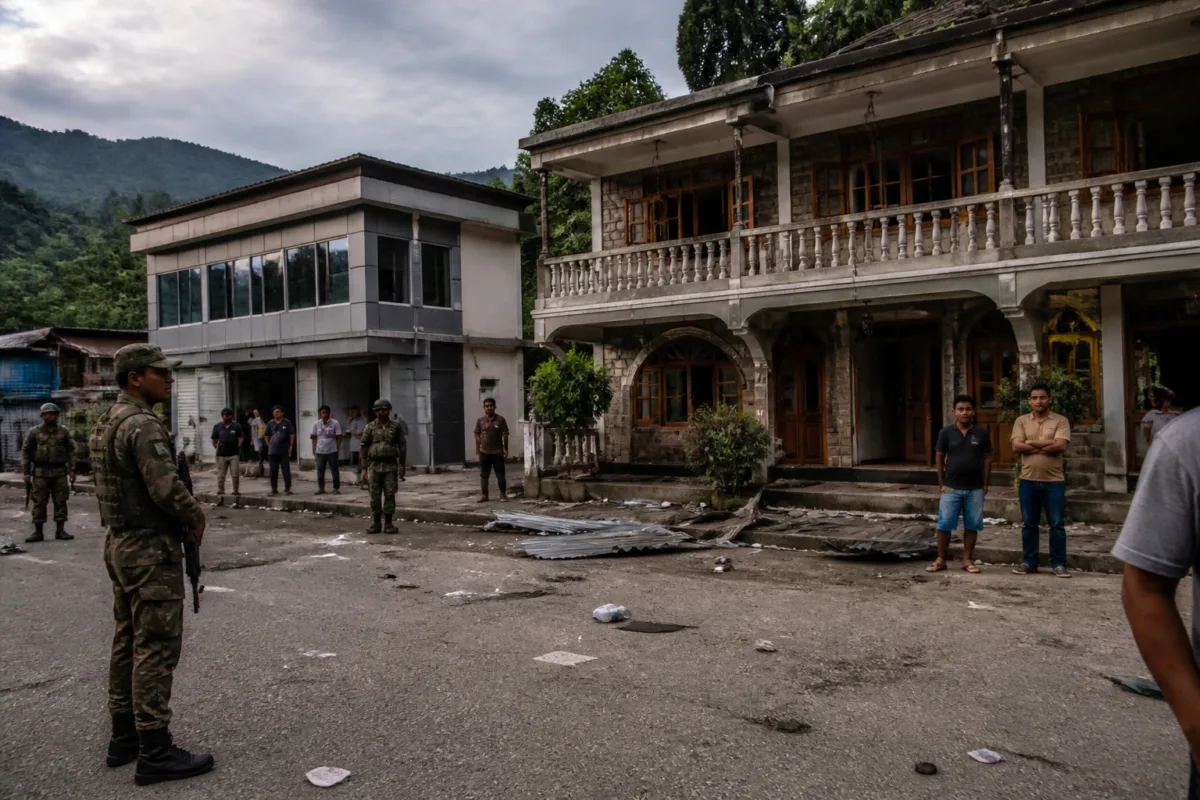
Protests against the proposed Siang Upper Multipurpose Project (SUMP) in Arunachal Pradesh reportedly turned violent on Friday night, with the ancestral home of Pasighat West MLA Ninong Ering allegedly vandalised and valuables either looted or destroyed, according to a report by the Times of India.
Ering said the house, built in 1954 by his late father, Dr Daying Ering, contained belongings and family mementoes of historical and sentimental value. He described the property as a repository of his childhood memories and said the alleged damage had caused him anguish.
“This house is not just a house for me; it is a repository of our childhood memories,” Ering said, according to the report. The MLA and former Union minister alleged that historically significant items and other family belongings were either taken away or destroyed during the incident.
The alleged vandalism took place amid protests by opponents of the SUMP and Gen-Z demonstrators. The report did not establish the identities of those responsible or provide details of arrests, police cases or an official police confirmation of the damage.
The reported unrest was not limited to Ering’s ancestral home. The residences of Geku MLA Oni Panyang and former MLA and Arunachal Pradesh BJP president Kaling Moyong were also allegedly vandalised, according to the report.
Protesters further targeted the National Hydroelectric Power Corporation office, the Pasighat police station and the office of the Adi Baane Kebang. The incidents indicate that the opposition to the proposed multipurpose project has extended beyond public demonstrations to attacks on properties associated with elected representatives, project institutions and local administration.
The Siang Upper Multipurpose Project is the subject of protests by opponents in the region, but the supplied report does not provide details of the project’s proposed capacity, land requirements, affected settlements, rehabilitation package or current approval status. It also does not include a response from NHPC, the police, the state government or organisations leading the protests.
The reported targeting of the NHPC office and Pasighat police station gives the episode a wider public-infrastructure and governance dimension. NHPC is associated with the proposed project, while a police station represents the local law-and-order system. Any confirmed damage to such facilities could affect public operations, although the report does not quantify the extent of damage or state whether services were disrupted.
The report also does not specify the value of the property or belongings allegedly lost from Ering’s ancestral home. Further official information would be required to establish the full sequence of events, the extent of damage and the legal action taken.
The immediate next steps, including any police investigation, official assessment of damage and response from the authorities or project proponents, were not detailed in the report.

