


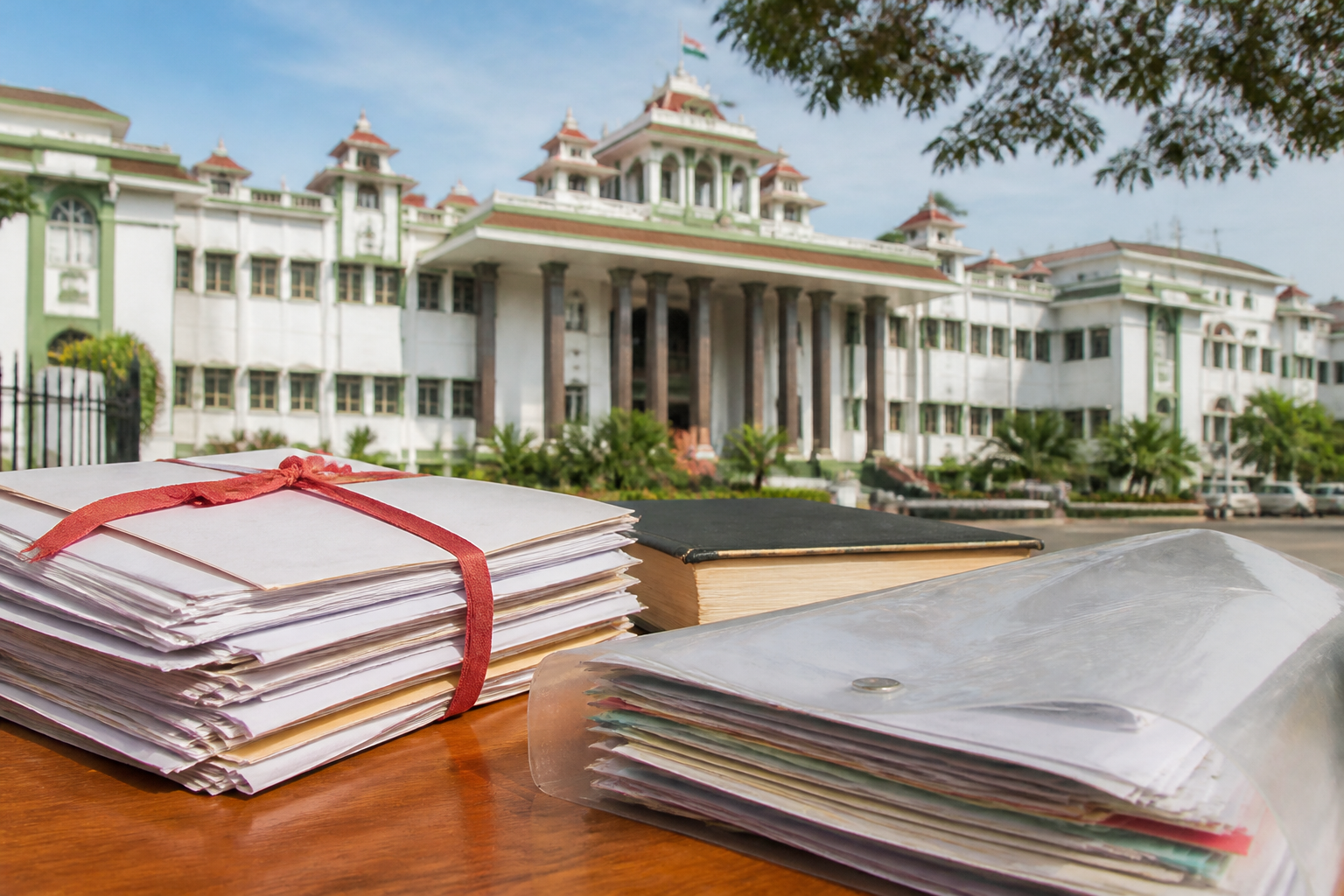
The Madras High Court has directed the Central Information Commission to decide two pending second appeals under the Right to Information Act within eight weeks of receiving the court order, addressing delays in a process intended to provide citizens access to public records.
The direction was issued in a petition filed by Ramakrishnan, head of the Botany Department at Puducherry’s Tagore Government Arts and Science College. The case arose after information sought under the RTI Act from the officer holding charge as the college principal was not considered satisfactory by the petitioner.
After the information supplied by the college authorities failed to resolve his concerns, Ramakrishnan filed an appeal under the RTI process. He remained dissatisfied with the response at that stage as well and subsequently filed two second appeals before the Central Information Commission.
Those appeals remained pending for a prolonged period, prompting Ramakrishnan to approach the High Court. The petition challenged the delay in taking decisions on the second appeals and sought action on the matters that had already moved through the earlier stages of the information-access process.
In its order, the High Court directed the Central Information Commission to examine the two pending appeals on their merits and issue appropriate orders in accordance with the law. Justice Hemant Chandangoudar specified that the action should be completed within eight weeks from the date on which the commission receives a copy of the court order.
The direction places a clear time limit on the disposal of the two appeals, but it does not predetermine the outcome of the information dispute. The commission is required to assess the substance of the appeals and pass orders according to the applicable legal provisions.
The case highlights the procedural stages through which an RTI request can move when the initial response is considered inadequate: a request to the relevant public authority, an appeal against the response, and a second appeal before the information commission. In this matter, the petitioner’s grievance was that the final appellate stage had remained undecided for an extended period.
For applicants seeking records from public institutions, delays at the second-appeal stage can leave a dispute unresolved even after the original request and subsequent appeal have been processed. The High Court’s order now sets a specific deadline for the Central Information Commission to act on the two appeals linked to the Puducherry college.
The commission must complete its consideration and issue the legally appropriate orders within eight weeks after receiving the court order copy.

