


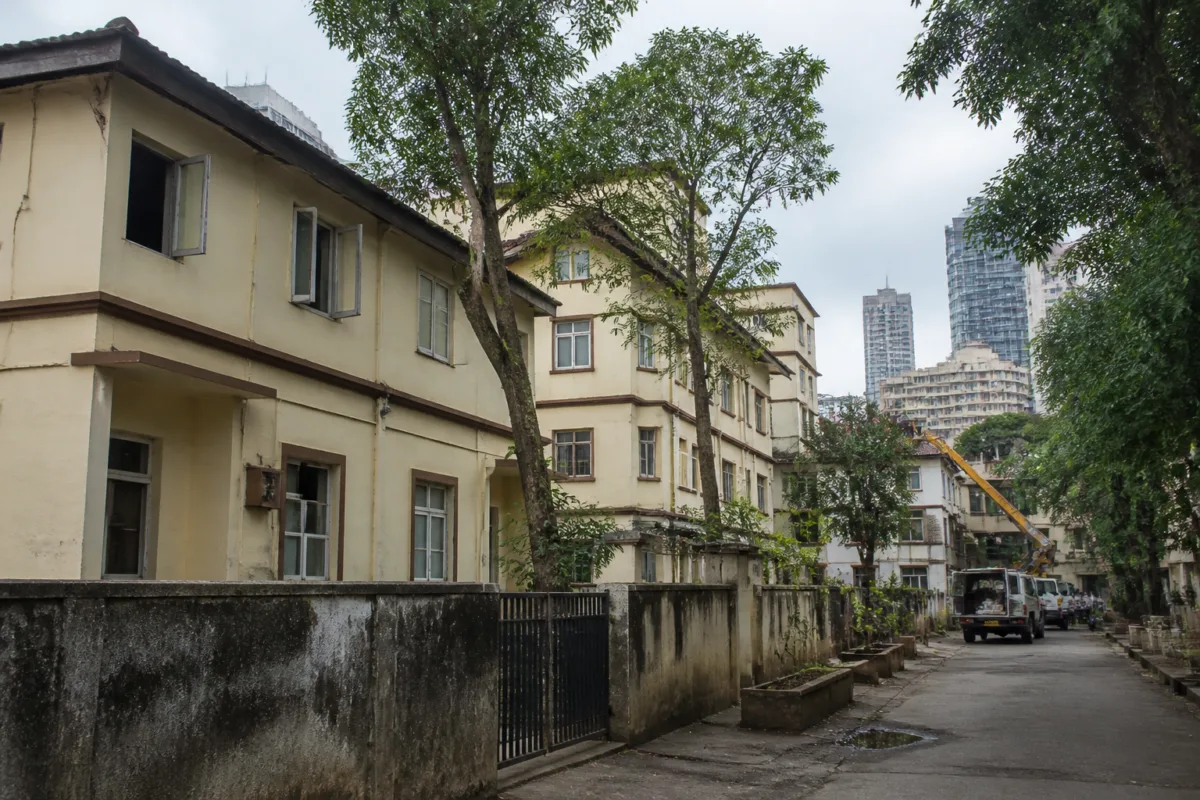
The Central Administrative Tribunal’s Ahmedabad Bench has upheld Western Railway’s demand for Rs 26.7 lakh in penal rent from an employee who remained in a Mumbai railway quarter for nearly 20 months after his allotment was cancelled. The ruling is significant not only because of the amount involved, but because it clarifies how quickly an employee’s entitlement to institutional housing can end once an allotment is withdrawn.
The case concerns a railway quarter in Bandra East that had been allotted to Mahendra Kashyap in 2012. Western Railway cancelled the allotment in October 2023 after vigilance complaints raised allegations of illegal subletting and misuse of the accommodation. Kashyap was directed to vacate the premises, but he remained there until July 7, 2025.
Western Railway treated the period from November 4, 2023, to July 7, 2025, as unauthorised occupation and calculated penal rent for that duration. It also began recovering the amount from Kashyap’s salary in monthly instalments of Rs 25,000. The railway’s action followed proceedings under the Public Premises (Eviction of Unauthorised Occupants) Act, 1971.
The dispute shows how railway housing operates as an employment-linked entitlement rather than a permanent residential right. A quarter is allotted because of an employee’s official status, posting or service conditions. Once the allotment is cancelled, the legal basis for occupation changes. The tribunal held that Kashyap had no legal right to continue occupying the quarter after cancellation.
That distinction is central to the case. In ordinary housing disputes, a resident’s claim may involve tenancy protections, ownership documents or contractual rights. Institutional housing functions differently. Its availability depends on the employer’s rules and the employee’s continuing eligibility. When the underlying allotment ends, continued occupation can become unauthorised even if the occupant has personal reasons for seeking more time.
Kashyap had cited health issues and his son’s education in Mumbai while challenging the consequences of the cancellation. He had also challenged his transfer before the CAT’s Mumbai Bench, but that challenge failed. During the period in dispute, he was transferred from Mumbai to Nandurbar, then Vadodara and eventually to the Ahmedabad division.
The tribunal’s finding does not dismiss the practical difficulties faced by employees who are moved between locations. It establishes, however, that personal hardship cannot by itself create a legal right to retain government or railway accommodation after the allotment has been cancelled. The ruling therefore places the formal housing rules above individual claims based on family circumstances, health or educational continuity.
The administrative timeline is also important. Western Railway issued a show-cause notice on November 22, 2023, under the public-premises framework. An eviction order followed on December 16, 2024. The quarter was finally vacated on July 7, 2025. The penal-rent calculation began before the eviction order and continued until the date of actual vacation.
This sequence highlights the difference between an administrative decision and its physical implementation. Cancelling an allotment does not automatically return a residential unit to the housing pool. The premises remain unavailable to other eligible employees until the occupant leaves, whether the delay results from litigation, administrative proceedings or resistance to the order. In a city such as Mumbai, where railway land and staff housing are limited, that delay has an institutional cost.
Railway quarters are part of a wider public infrastructure system. They support the operation of a transport network by allowing employees to live near workplaces, depots, stations, offices and other railway facilities. Although the supplied report does not provide figures for the total number of railway quarters or the extent of vacancy and demand, the case illustrates the allocation problem: every unit retained without a valid allotment is a unit that cannot be reassigned through the normal housing system.
The allegations that triggered the cancellation were related to illegal subletting and misuse of the accommodation. The tribunal’s decision, as reported, upholds the consequences of the cancellation and unauthorised occupation. It does not establish a broader finding about the prevalence of such practices across railway colonies. The case nevertheless demonstrates why vigilance complaints, allotment records and eviction procedures are important to the management of institutional housing.
The Public Premises (Eviction of Unauthorised Occupants) Act, 1971, provides the legal framework cited in the proceedings. In this case, Western Railway issued a show-cause notice and subsequently obtained an eviction order. The process shows that public authorities cannot treat housing recovery simply as an internal employment matter when occupation continues after entitlement has ended. Formal notice and eviction procedures become necessary when the premises are classified as public property.
At the same time, the case shows how legal procedure can extend the period during which a property is unavailable. The report does not state how long each stage of the proceeding took or whether any interim protection was granted. It does establish that the allotment was cancelled in October 2023, the show-cause notice was issued in November 2023, the eviction order came in December 2024 and the quarter was vacated in July 2025.
The financial consequence was imposed through penal rent rather than ordinary residential rent. That distinction matters because penal rent is designed to address occupation after entitlement has ended. The total demand of Rs 26.7 lakh reflects the railway’s calculation for the identified period of unauthorised occupation. The tribunal declined to interfere with the demand, while allowing a limited avenue for correction if there was a clerical error in the period-wise calculation.
The tribunal stated that, if Kashyap made a specific representation about any clerical error, the respondents would have to verify the calculation and make a correction if warranted under the applicable rules. This qualification does not reopen the core finding that the occupation was unauthorised. It separates the legal question of entitlement from the administrative question of whether the amount was calculated accurately.
That distinction is relevant to public administration. Large recovery demands depend on dates, rates and records. An authority may be entitled to recover penal rent while still being required to correct an arithmetic or clerical mistake. The ruling therefore preserves administrative accountability without weakening the consequence of continued occupation after cancellation.
The salary recovery of Rs 25,000 a month provides the mechanism through which the railway began enforcing the demand. The supplied report does not state how long the recovery will continue or whether the full amount can be recovered through salary deductions alone. It does show that the financial liability has moved from a disputed demand to an enforceable recovery process after the tribunal rejected the challenge.
For Mumbai’s public institutions, the underlying issue is the management of scarce residential land. Railway colonies occupy valuable urban areas and house employees whose work supports the city’s transport system. Their effective use depends on accurate allotment records, timely action when eligibility ends, and the ability to return recovered units to the institutional housing pool. The case provides evidence of the legal tools available when occupation continues, but it does not reveal the wider performance of the system.
The ruling also exposes a recurring tension in employee housing: service mobility may conflict with family stability. Kashyap’s arguments referred to his health and his son’s education in Mumbai, while his service postings took him to several locations. Such circumstances can create pressure to retain a quarter beyond the end of an allotment. The tribunal’s decision makes clear that those pressures may be considered administratively, but they do not automatically override the governing housing rules.
What the evidence confirms is narrow but consequential. Western Railway cancelled the allotment after vigilance complaints, began public-premises eviction proceedings, calculated penal rent for the period treated as unauthorised occupation and secured tribunal support for the demand. What remains outside the supplied material is the detailed rule-based rate calculation, the evidence behind the subletting and misuse complaints, and the precise administrative reasons for each transfer.
The next stage is therefore procedural rather than speculative. If Kashyap submits a specific representation identifying a clerical error, Western Railway must verify the period-wise calculation and correct it if required under the applicable rules. Otherwise, the tribunal’s decision leaves the penal-rent demand and salary recovery mechanism in place.

