


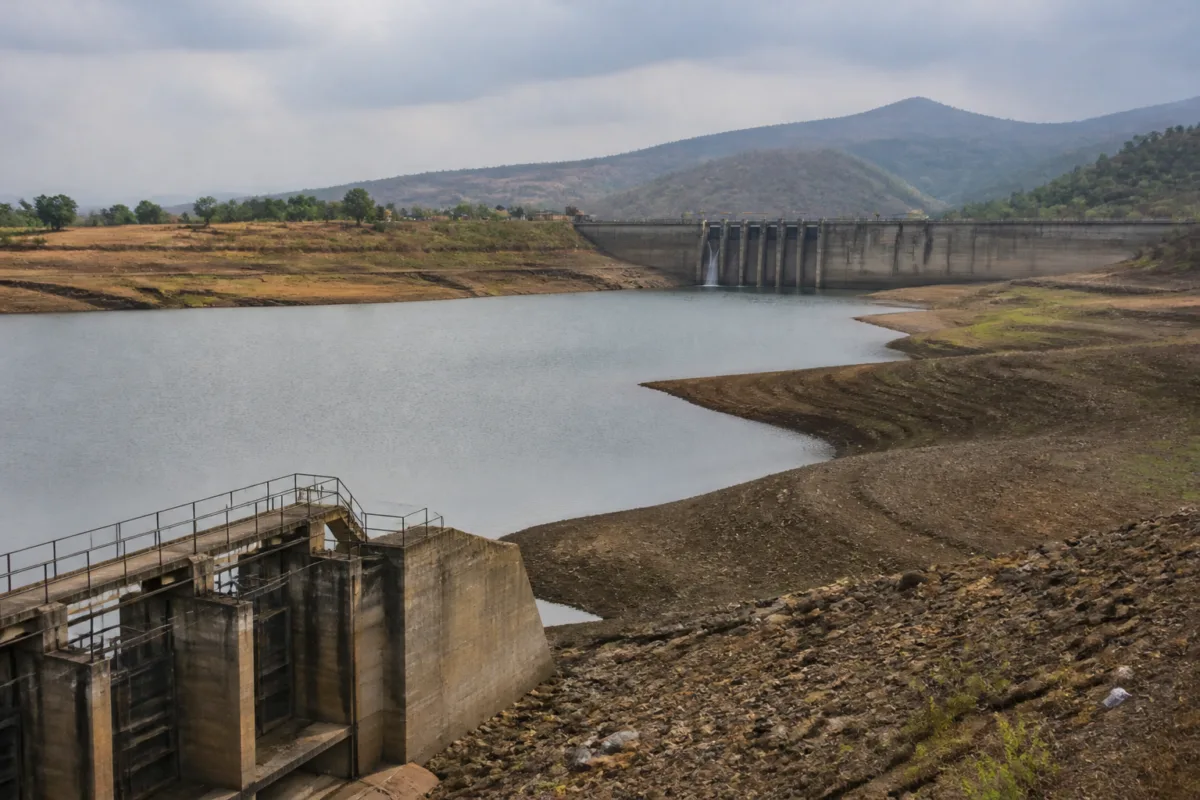
Pune water cuts could become more frequent after authorities stop releasing water from the Khadakwasla circle dams for rural areas by the weekend, with the irrigation department seeking alternate-day supply in the city and the Pune Municipal Corporation resisting the proposal.
The four dams—Panshet, Varasgaon, Temghar and Khadakwasla—held 22.61 TMC collectively on Monday. About 1 TMC is expected to be released over the following six days for rural areas and the PMC, bringing the total storage to around 21.5 TMC by November 15, according to a report by the Times of India.
The remaining stock is expected to serve Pune city and rural areas for the next nine months. However, the storage level is around 5.5 TMC lower than it was around the middle of November last year, creating uncertainty over the next release rotation for agriculture in rural areas.
The irrigation department generally releases water for rural areas in two rotations during the winter season. Officials cited in the report said water would be released for rural requirements, but the schedule for the next rotation would be decided later. The ongoing release is expected to stop completely by the weekend.
The PMC has said it will review its existing weekly water cuts after Diwali. The frequency could rise from once a week to twice a week. The irrigation department, however, wants the civic body to introduce alternate-day water supply across Pune.
PMC sources said the demand for alternate-day supply was unacceptable because it could trigger a major water crisis across the city. The disagreement places the city’s drinking-water schedule within a larger allocation dispute involving urban consumption, rural agriculture and the limited reserve available until the next monsoon.
BJP leaders in the civic body approached Chief Minister Devendra Fadnavis last week, seeking an assurance that 13 TMC would be reserved for Pune until the next monsoon. Their delegation was led by PMC standing committee chairperson Shrinath Bhimale, who said Khadakwasla had already supplied more than 5 TMC to rural areas during the ongoing month-long release rotation.
Bhिमale said the release had helped replenish ponds and lakes in the region, while the dams had reached full storage capacity during the monsoon. He argued that Pune should not face further curtailment in its water supply.
Another BJP leader said around 21 TMC would be available in the dams around November 15. Of that, 13 TMC should be allocated to the PMC, according to the leader, while the remaining quantity would account for evaporation, seepage and buffer storage. The leader said at least 5 TMC should remain in the dams.
Pune mayor Manjusha Nagpure and other party leaders in the PMC are expected to discuss the city’s water-supply plan for the period after Diwali. The decision on the frequency of water cuts and the schedule for the next rural release rotation remains pending.

