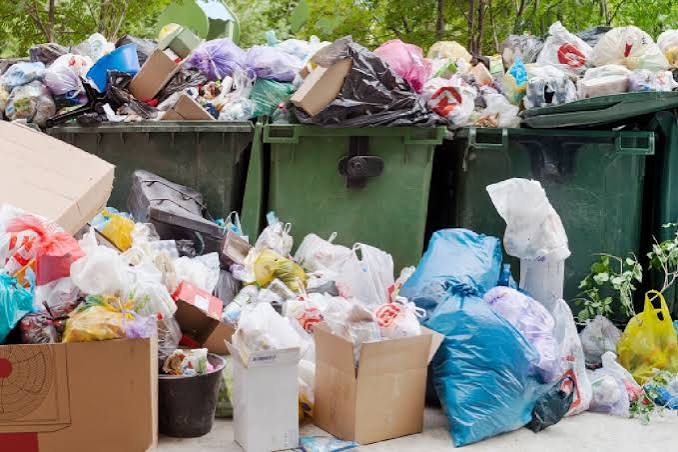
Pune is moving to bring its waste-processing infrastructure under closer digital scrutiny, with the civic administration planning smart electricity meters across 28 treatment facilities. The system will record hourly power consumption online, giving officials a clearer way to compare electricity use with waste processed and identify operational interruptions. The move could make performance claims easier to verify while exposing where energy, equipment or processing capacity is being lost.
Pune generates roughly 2,800 tonnes of municipal waste each day, according to the information provided for the civic initiative. The city’s processing network handles several waste streams, including wet and dry waste, garden waste and other materials. Depending on the technology used, outputs can include compost, fuel, biogas and electricity. The proposed metering system is significant because electricity consumption can provide an additional operational indicator. A facility that is consistently using power but processing substantially less waste may warrant closer inspection. Conversely, unusual drops in electricity use could help officials identify equipment failures or periods when a plant is not functioning as expected. The Pune Municipal Corporation has issued a tender for the smart-metering work. Readings are expected to be accessible remotely through computers and mobile devices, allowing solid-waste officials to monitor facilities without relying entirely on periodic physical inspections.
The system could also strengthen accountability under operating contracts. At present, electricity costs are divided between the civic body and operators at different facilities, depending on contractual arrangements. A common digital record could provide a more consistent basis for checking plant performance, downtime and energy use. But electricity data alone cannot establish whether a waste facility is performing well. The administration will need to link meter readings with weighbridge records, incoming waste volumes, processing outputs, downtime and quality checks. Without those connections, a dashboard could show how much energy a plant consumes without establishing how effectively it converts waste into useful material or energy. The environmental stakes are considerable. Waste-processing facilities themselves consume energy, while poorly managed organic waste can generate methane, a potent greenhouse gas. Better monitoring could help identify inefficient operations, but the larger objective should remain waste reduction, segregation, material recovery and decentralised treatment where appropriate.
Pune has previously experimented with decentralised waste processing and biomethanation as part of its solid-waste strategy. Municipal planning documents have also identified digital monitoring as a tool for improving service delivery. The Pune waste management system will therefore need more than connected meters. The value of the technology will depend on whether the data leads to faster maintenance, transparent contract monitoring and better resource recovery. If electricity use, waste volumes and processing outcomes are brought onto one platform, Pune waste management could gain a more measurable basis for judging efficiency and environmental performance.