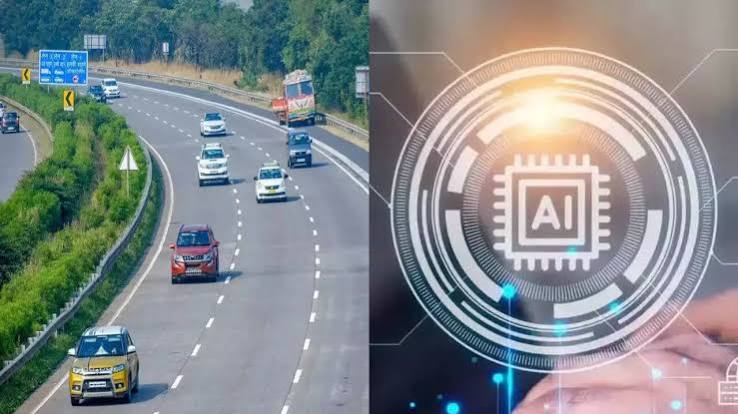
Pune is preparing to shift from reactive traffic management towards data-led mobility planning as the civic body moves to combine live travel information, road-condition records and citizen complaints on a single platform. The initiative is intended to identify why congestion keeps returning at particular locations and help determine where limited public funds should be directed for road and transport improvements.
The Pune Municipal Corporation’s standing committee has approved the creation of a Pune Urban Mobility Cell and the appointment of Ernst & Young LLP as a three-year consultant. The consultancy is expected to cost ₹2.37 crore annually, excluding taxes. The proposed system will consolidate information from traffic, public transport and civic infrastructure platforms. Sources will include GPS-enabled buses, CCTV networks, parking systems, telecom data, travel databases and applications used for reporting road and civic problems. Road infrastructure records will also form part of the system. Data from the Road Asset Management System, geographic information systems, road construction records and the civic trenching portal will be combined with mobility information. That integration could give planners a more complete view of problems that are often treated separately. A traffic queue, for example, may be linked to road excavation, poor pavement conditions, a badly designed junction or inadequate pedestrian infrastructure. Connecting these datasets could help officials address the cause rather than repeatedly manage the symptom.
An integrated traffic management facility is also proposed at Dhole Patil Road, with PMC officials and personnel associated with existing transport and digital systems expected to work from the centre. Coordination with the traffic police is intended to improve the flow of information between agencies responsible for roads, enforcement and transport operations. The proposed mobility platform is expected to support decisions on signal coordination, parking, route management and junction redesign. It could also inform investment in footpaths and cycle tracks, areas that are often overlooked when road capacity is assessed primarily through vehicle movement. One of the more significant uses could be evaluating large infrastructure proposals. By examining travel patterns and projected demand, officials could assess whether interventions such as flyovers or grade separators are justified, rather than relying solely on congestion as evidence for new construction.
The financial case is equally important. Pune has a large and ageing road network, while funds for reconstruction and maintenance remain finite. Linking asset-condition data with traffic volumes could help prioritise roads that require strengthening and forecast future maintenance needs. For residents, the success of the Pune traffic planning initiative will ultimately depend on whether better data produces visible improvements: fewer recurring bottlenecks, safer crossings, reliable public transport and better-managed road works. Technology can improve decisions, but its value will be measured by how effectively those decisions translate into a safer and more efficient street network.