Pune Traffic Management Survey Begins For Sinhagad Road
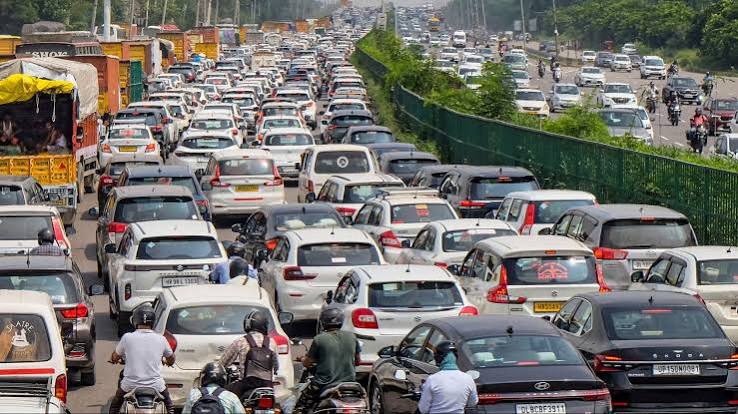
Pune’s Sinhagad Road corridor is set for a detailed traffic assessment as civic authorities move to prepare a long-term mobility strategy for one of the city’s most congested stretches. The survey, covering key residential and growth zones between Dhayari and central Pune, aims to identify infrastructure gaps, traffic bottlenecks and operational challenges affecting daily commuters.
The decision comes amid increasing concerns over delays faced by residents, students, office workers and emergency service users travelling through the corridor. Rapid urban expansion in areas such as Dhayari, Narhe, Nanded City and Vadgaon has increased pressure on existing road infrastructure, creating a mismatch between population growth and transport capacity. The proposed study will examine the main road network, alternate routes and critical junctions to understand traffic movement patterns. Based on the findings, the Pune Municipal Corporation (PMC) plans to evaluate road improvements and traffic management interventions, including better junction planning and additional traffic regulation support. The Pune traffic management exercise highlights a wider challenge faced by rapidly growing Indian cities, where residential development often advances faster than supporting mobility infrastructure. Urban transport experts say that improving road capacity alone may not resolve congestion unless supported by coordinated planning around public transport, pedestrian movement, parking regulation and land use.
During a review meeting involving civic officials, elected representatives and traffic authorities, concerns were raised about recurring congestion during morning and evening peak periods. Stakeholders pointed to issues including roadside encroachments, illegal parking, unregulated vehicle movement and inadequate traffic control at important intersections. Officials also discussed the need for coordinated action between multiple agencies. The Pune traffic management framework will require collaboration between civic departments, enforcement agencies and transport planners to address both immediate disruptions and long-term mobility needs. Experts note that traffic congestion has wider economic and environmental impacts. Longer travel times increase fuel consumption, vehicle emissions and stress for commuters, while inefficient road movement affects productivity across the city. A more integrated approach involving public transport improvements, safe walking infrastructure and better traffic circulation could help Pune move towards a more climate-resilient urban transport system.
The review also brought attention to the impact of public events, temporary road occupations and utility infrastructure on traffic flow. Authorities indicated that future permissions for large gatherings may need stronger consideration of mobility and environmental impacts. The upcoming survey is expected to provide a data-based roadmap for interventions on Sinhagad Road. While immediate traffic deployment measures may offer short-term relief, urban planners emphasise that sustainable mobility solutions will depend on long-term coordination between transport planning, infrastructure upgrades and responsible urban growth. As Pune continues to expand along its peripheral corridors, managing mobility pressures will remain central to ensuring that growth areas remain accessible, efficient and inclusive for all sections of the population.