HomeLatestPune Temple Plan Adds Social Infrastructure To Growth Belt
Pune Temple Plan Adds Social Infrastructure To Growth Belt
Pune Temple Plan Adds Social Infrastructure To Growth Belt
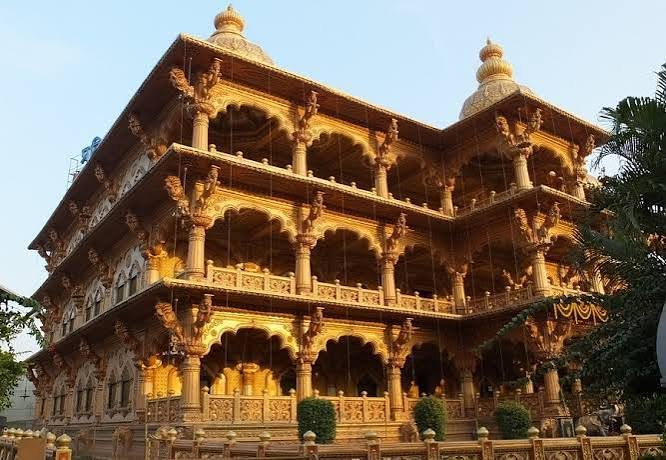
A proposed Swaminarayan temple is set to add a new layer of social infrastructure to Pune’s expanding Vadgaon-Lonavala growth corridor, with around 1.5 acres earmarked within the Land of Dreams township. The project remains at the planning stage, with no construction schedule announced so far. Its significance lies less in the religious facility alone and more in how community institutions are beginning to accompany residential expansion on Pune’s developing edges.
The proposed temple is expected to accommodate religious observances, cultural programmes and community gatherings once completed. Details of its design, capacity, accessibility arrangements and operating model have not yet been disclosed, with the temple trust expected to provide further information as planning advances. The development comes as residential activity spreads beyond Pune’s established urban districts. New housing projects often arrive ahead of schools, healthcare facilities, public transport and other everyday services. Places of worship can form part of this wider social infrastructure, but their usefulness depends on how well they connect with surrounding neighbourhoods rather than serving only residents of a single development. For the Vadgaon-Lonavala corridor, that distinction could become important as population density increases. A community facility can support local interaction and cultural activity, but it also creates additional movement, particularly during festivals and major gatherings. Traffic management, pedestrian access, parking, emergency services and public transport links will therefore need consideration as the surrounding area develops.
Urban planners say social infrastructure should be assessed alongside residential construction rather than added as an afterthought. This includes ensuring that facilities are accessible to older people, persons with disabilities, children and visitors arriving without private vehicles. Such planning can reduce dependence on cars and help new residential districts develop as functioning communities rather than isolated housing clusters. The project also highlights a broader shift in Pune’s growth corridors. As land values and housing supply expand towards peripheral areas, developers and community institutions increasingly influence the character of emerging neighbourhoods. The quality of public connections between these private and semi-public facilities will determine whether such growth produces well-served urban districts.
The temple is currently described as being in the planning and development phase. Construction dates, final specifications and the precise scope of community use remain pending. The proposed facility therefore represents an early component of the corridor’s evolving social infrastructure rather than a completed civic asset. For Pune’s expanding urban frontier, the next test will be whether physical growth is matched by accessible mobility, public services, open spaces and community facilities. The Pune temple project will ultimately be judged not only by its religious role, but also by how effectively it fits into the wider neighbourhood around it.