


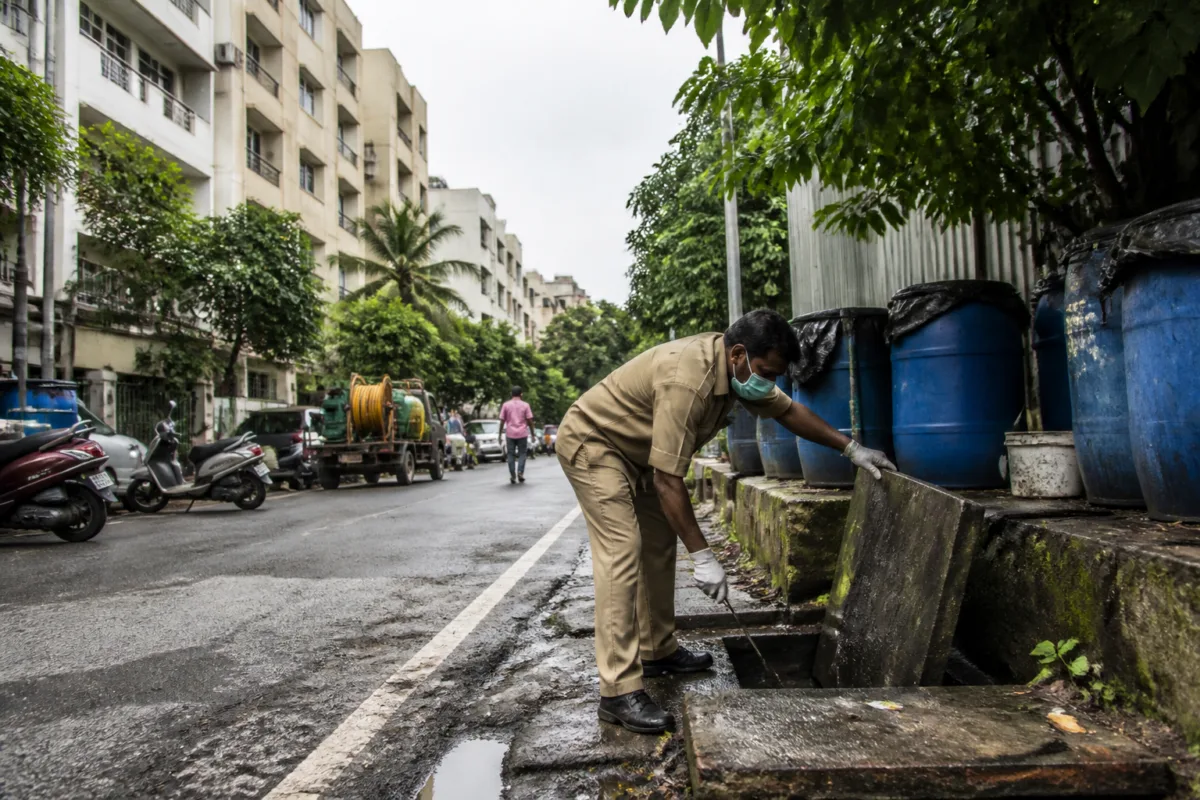
Pune’s dengue cases reached a 2026 high in October, with 843 confirmed infections reported between January and October 30, according to civic health officials cited by Pune Mirror. The increase is not confined to one neighbourhood: Aundh-Baner recorded the highest ward-level count, but substantial numbers were also reported in Yerawada-Wadgaonsheri, Dhankawadi-Sahakarnagar, Keshavnagar, Kothrud and Ahmednagar Road-Wagholi. The pattern places municipal surveillance and mosquito control at the centre of Pune’s urban health challenge.
The October figure is significant because it exceeds each of the preceding three monthly counts. Pune recorded 366 confirmed cases in July, 512 in August and 662 in September. October therefore represents a continued month-on-month rise in the confirmed burden, rather than a single isolated spike. The cumulative total stood at 2,486 confirmed cases from January 1 to October 30, based on the figures reported by civic health officials.
A separate count maintained by the Pune Municipal Corporation’s Insect Control Department recorded 709 suspected dengue cases in October. Its year-to-date suspected-case total was 2,372 at the end of the month. The difference between confirmed and suspected figures is important because the two numbers describe different stages of the surveillance process. The report does not provide the testing criteria, laboratory confirmation process or case-distribution method used for either count, so the figures should not be treated as interchangeable measures of the same population.
The ward data shows how the city’s dengue burden is distributed. Aundh-Baner accounted for 152 confirmed cases in October, the highest monthly count among the listed wards. Yerawada-Wadgaonsheri followed with 110 cases, while Dhankawadi-Sahakarnagar reported 92. Keshavnagar recorded 74 cases, Kothrud 73 and Ahmednagar Road-Wagholi 71.
Aundh-Baner also led the cumulative ward tally for the year, with 364 confirmed cases between January 1 and October 30. Kothrud followed with 302, while Ahmednagar Road-Wagholi reported 293. Yerawada-Wadgaonsheri recorded 247 cases and Dhankawadi-Sahakarnagar 231. These figures indicate that the city’s reported infections are spread across several residential and rapidly urbanising pockets, rather than being concentrated in only the ward with the highest October total.
That distinction matters for how the data is read. A ward can lead the monthly count without having the highest annual total, and a high cumulative figure can reflect sustained reporting over several months rather than a sudden deterioration in one period. In Pune’s case, Aundh-Baner leads both the October and January-October confirmed counts in the figures supplied by the civic authorities, while other wards show substantial totals that point to a broader city-level distribution.
The reported progression from 366 cases in July to 512 in August, 662 in September and 843 in October amounts to a rise of 477 cases across the four-month period. October’s count was more than twice July’s figure. The source report does not establish whether this rise reflects increased transmission, expanded testing, improved reporting, seasonal conditions, changes in healthcare-seeking behaviour, or a combination of these factors. Without that information, the numbers show the scale and direction of the reported burden but do not by themselves explain its cause.
This is the central institutional question raised by the figures. Dengue surveillance is not only a matter of counting patients after they reach healthcare facilities. It also depends on how suspected cases are recorded, how confirmed cases are defined, how quickly results are processed and how ward-level information is used by the municipal administration. The presence of separate confirmed and suspected counts suggests that Pune’s public-health system is tracking more than one category of infection, but the supplied report does not provide enough detail to assess how the two streams are integrated.
The ward-level variation also makes municipal administration a critical part of the story. The Insect Control Department is the civic body identified in the report as maintaining the suspected-case data. However, the supplied material does not specify the number of inspections, breeding sites removed, fogging operations, source-reduction drives, staff deployed or complaints received in the affected wards. It also does not state whether interventions were intensified in Aundh-Baner or in the other wards with high confirmed counts.
That absence of operational detail limits what can be concluded from the case totals. The data establishes that October was the highest-count month of 2026 and that several wards recorded significant numbers. It does not establish which municipal measures were undertaken, whether they were effective, or whether particular neighbourhood conditions contributed to the distribution. Those questions would require ward-level intervention records, testing data and information about the locations where cases were identified.
The figures nevertheless provide a useful map of where the civic health system is seeing pressure. Aundh-Baner’s 152 October cases represent the largest monthly concentration in the report. Yerawada-Wadgaonsheri’s 110 cases and Dhankawadi-Sahakarnagar’s 92 show that the issue extends well beyond one high-count ward. The presence of Keshavnagar, Kothrud and Ahmednagar Road-Wagholi in the October list further widens the geography of the reported outbreak.
For residents, the practical meaning of the data is that dengue surveillance cannot be understood only through a citywide total. The cumulative figure of 2,486 confirmed cases communicates the overall burden, while the ward figures show how that burden is distributed administratively. Both are necessary: a citywide number can conceal local concentrations, while a ward-by-ward list can obscure the scale of the problem across Pune as a whole.
The report also shows why suspected cases deserve careful treatment in public communication. Pune’s 709 suspected cases in October are lower than the 843 confirmed cases reported for the same month, while the year-to-date suspected total of 2,372 is close to the confirmed total of 2,486. Because the source does not explain the timing, definitions or relationship between these datasets, comparisons between them should be made cautiously. The figures may represent different surveillance categories or reporting processes rather than a direct progression from suspected to confirmed infection.
The available evidence therefore supports three clear conclusions. First, October had Pune’s highest reported confirmed dengue count of 2026. Second, the increase followed three consecutive monthly rises from July through September. Third, the reported cases were distributed across multiple wards, with Aundh-Baner recording the highest October and cumulative totals among the areas listed.
What remains unestablished is equally important. The supplied report does not identify the causes of the increase, provide a breakdown by age or hospitalisation, describe ward-level mosquito-control operations, or assess whether the suspected-case count overlaps with the confirmed-case data. It also does not report any new civic policy, emergency declaration or operational deadline.
The next stage of understanding Pune’s dengue burden will depend on whether civic authorities publish updated case totals alongside clearer definitions, ward-level interventions and confirmation of how suspected infections are counted. Until then, the October figures remain a strong signal of rising reported dengue activity and a test of how effectively municipal surveillance can connect case detection with neighbourhood-level action.

