Bihar is witnessing a sharp divergence in weather patterns this April, with intense heatwave conditions gripping southern districts like Patna while parts of the Seemanchal region brace for light rainfall. The contrasting trend is highlighting growing climate variability in the state, raising concerns over urban resilience, public health, and infrastructure preparedness.
Temperatures across south and central Bihar have crossed 40°C, with some locations recording peaks above 41°C, driven by dry westerly winds and low humidity. The heat has disrupted daily life, reducing outdoor activity and increasing risks of heat-related illnesses. Authorities have issued alerts warning of worsening conditions from mid-April, particularly during peak afternoon hours. In contrast, districts in northeastern Bihar—such as Purnia, Katihar, Araria, and Kishanganj—are expected to receive light rainfall between April 17 and 19. While limited in scale, this precipitation could bring temporary relief through marginal cooling and improved atmospheric moisture. The emerging pattern reflects what meteorologists describe as “split weather behaviour,” where localised rainfall coexists with broader regional heat stress. Experts note that such variability is becoming more frequent due to shifting climate systems, complicating planning for cities already under pressure from rapid urbanisation. The Bihar heatwave and rain pattern carries significant implications for urban infrastructure. Prolonged heat can strain electricity demand, water supply systems, and public health services, particularly in dense cities where heat retention is higher due to built-up surfaces.
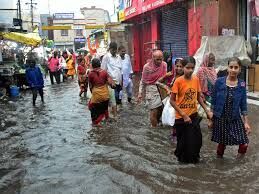
At the same time, even light rainfall in certain regions can expose gaps in drainage systems if not adequately managed. Urban planners warn that such dual conditions require flexible governance models. While southern districts may prioritise heat mitigation—through cooling centres, water access, and shaded public spaces—northeastern regions must prepare for intermittent rainfall and localised flooding risks, even if short-lived. The impact extends to economic activity as well. Construction schedules, outdoor labour productivity, and transport systems are all sensitive to extreme weather. For a state investing in infrastructure expansion, inconsistent climate conditions can lead to delays, cost overruns, and operational inefficiencies. Health experts also underline the social dimension of the Bihar heatwave and rain pattern. Vulnerable populations—including informal workers, the elderly, and those without access to cooling—face disproportionate risks during heatwaves. Simultaneously, uneven weather patterns can complicate agricultural cycles in peri-urban areas, affecting food supply chains and livelihoods.
Long-term climate data indicates that April temperatures in Bihar typically range between 36°C and 42°C, with heatwaves becoming more pronounced in recent years. The current pattern, combining extreme heat with isolated rainfall, underscores the increasing unpredictability of pre-monsoon weather. As Bihar moves deeper into the summer season, the focus is likely to shift towards adaptive planning—ensuring cities are equipped to handle both heat stress and sudden weather fluctuations. For policymakers, the challenge lies in building infrastructure systems that are not only efficient, but resilient to a climate that is becoming less predictable with each passing year.