


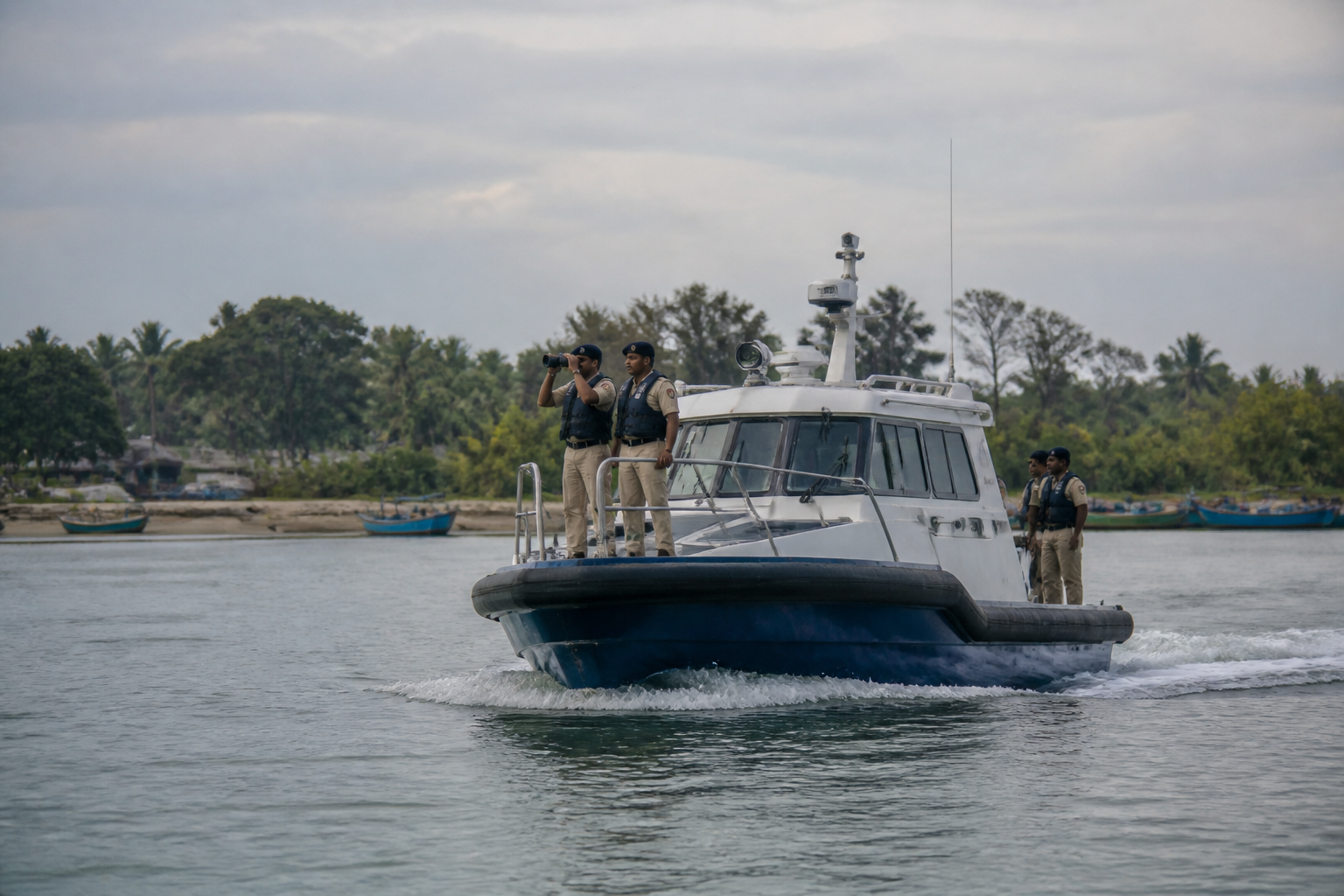
Odisha has placed its marine police on high alert against possible wildlife smuggling through sea routes after five baby orangutans were rescued in Balasore district, with the state government directing all coastal police stations to maintain close surveillance and act against suspicious movement.
Chief minister Mohan Charan Majhi informed the state Assembly on Monday that instructions had been issued to marine police stations to watch for wildlife trafficking through the sea and take prompt legal action. The written reply came in response to a question from MLA Sarada Prasanna Jena on the preparedness of coastal police following the appearance of the orangutans in Balasore.
The orangutans, which are not native to India, were rescued from a forest in Balasore on September 8. Government officials said the circumstances surrounding their rescue and the suspected trafficking route through which they were brought to Odisha have not yet been established by the special task force investigating the case.
The government directive is intended to prevent the state’s coastline from being used for illegal wildlife transportation. It places the incident within the wider responsibilities of Odisha’s marine police, which include monitoring coastal movement and responding to maritime crimes.
According to Majhi’s Assembly reply, the state has established 18 marine police stations as part of its coastal security infrastructure. The network is supported by interceptor boats, drones, hired trawlers and a dedicated command-and-control centre. Marine police are also maintaining surveillance to prevent infiltration, illegal fishing and the transportation of contraband through sea routes.
Jena’s Assembly question sought details about the coastal police’s surveillance capabilities, intelligence network and capacity to curb infiltration and maritime crimes after the orangutans were found in Balasore. The government’s response linked the wildlife-trafficking alert to the existing coastal security system rather than announcing a separate enforcement structure.
The directive also highlights the operational challenge of monitoring a coastline through a combination of fixed police stations, mobile patrol assets, civilian vessels and surveillance technology. The government has not disclosed in the Assembly reply how the investigation into the orangutans’ suspected trafficking route will be completed or whether any arrests have been made.
The special task force’s inquiry into the rescue and the route taken by the animals remains pending. In the meantime, the state has asked marine police stations to maintain heightened vigilance and take legal action against suspicious movements linked to wildlife trafficking or other illegal activity along Odisha’s coast.
