


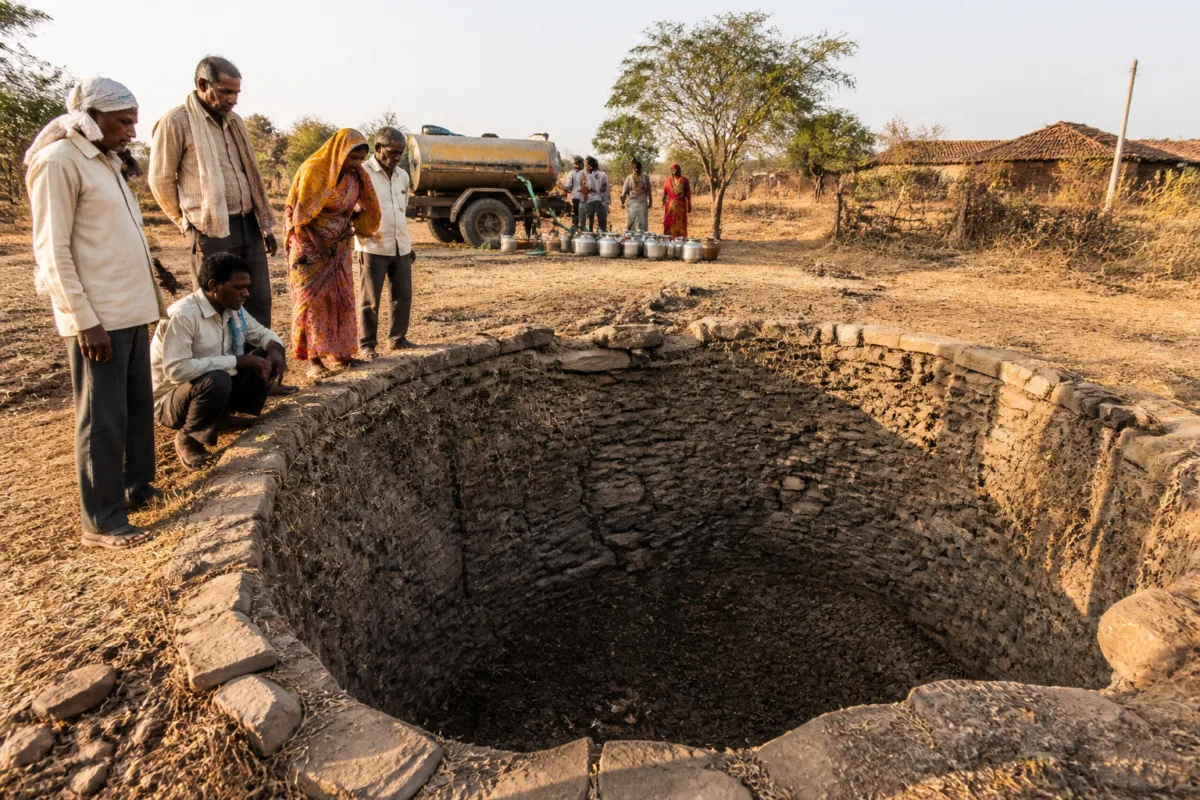
The Nagpur water crisis has begun affecting rural communities, with 29 wells across 23 villages running dry and authorities arranging alternative supplies from neighbouring villages, according to senior Nagpur Zilla Parishad officials. Another 117 villages have been placed in a distress category amid fears that their existing water sources could run dry by the end of December.
The figures emerged from an ongoing village-wise assessment by the Zilla Parishad, which is classifying rural areas according to current water availability, the condition of existing sources and the expected duration of supply. Zilla Parishad chief executive officer Vinayak Mahamuni and other senior officials confirmed that the 23 villages with dry wells had been identified for immediate intervention.
Work has started to rejuvenate and recharge the affected water sources. In the meantime, arrangements are being made to meet drinking-water requirements through alternative sources, including wells located in neighbouring villages. The immediate response is focused on preventing disruptions in domestic water supply in the villages where existing wells are no longer yielding water.
The 117 villages in the second category are being prioritised for groundwater recharge, borewell construction, well deepening and alternative supply arrangements. Officials said these measures are intended to prevent the situation from worsening and to ensure that vulnerable villages have access to water if their current sources weaken further.
Villages placed in the third category currently have sufficient water resources, with supplies expected to last until February or March. However, officials cautioned that these villages could also face difficulties after that period if water availability continues to decline. The classification is not fixed: field assessments and changing groundwater conditions are prompting regular revisions to the number of villages in each category.
The Zilla Parishad has accelerated the construction of check dams, locally known as bandharas, along with the deepening of streams and nullahs, rejuvenation of wells and groundwater recharge works. Existing borewells are also being assessed for restoration, while new water sources are being explored wherever required.
The response combines emergency supply arrangements with efforts to strengthen local water sources. This places village-level monitoring at the centre of the administration’s approach, as the availability and condition of wells can vary across locations. Daily review meetings are being held to track village-wise water availability, identify vulnerable locations and monitor the progress of conservation and supply works.
The latest assessment indicates that the immediate challenge is not limited to villages where wells have already gone dry. Authorities are also preparing for possible shortages in areas where supplies remain available but may not last through the coming months. Further changes to the village categories will depend on field assessments and groundwater conditions, officials said.

