


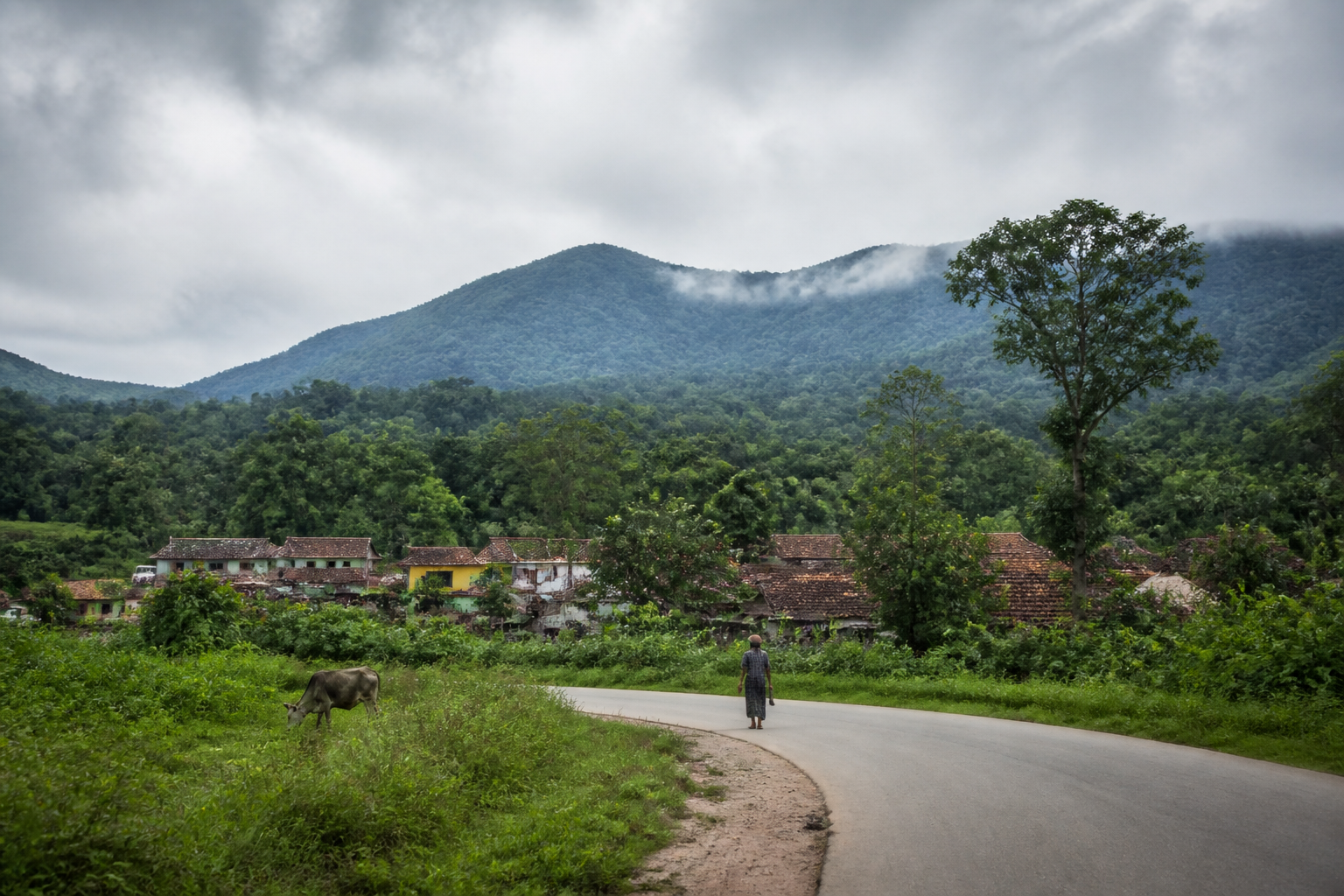
The Union Ministry of Environment, Forest and Climate Change has issued a fresh draft notification proposing a 573.95 sq km eco-sensitive zone around Karnataka’s Nagarahole Tiger Reserve, placing 101 villages under a framework intended to regulate development and other activities near the protected area.
The notification gives the public 60 days to submit objections and suggestions. The proposed zone includes villages that are either fully or partly located within its boundaries, according to a report by Prajavani.
The Centre had first issued a draft notification for the Nagarahole eco-sensitive zone in 2017. The latest proposal comes nine years later and makes only minor numerical and related corrections compared with the earlier draft, while retaining the broad extent and regulatory approach.
Under the proposal, the Karnataka government will have to prepare a comprehensive zone-wise plan within two years. The plan is intended to guide management of the eco-sensitive zone and regulate activities taking place around the tiger reserve. The notification therefore places responsibility on the state administration to translate the proposed boundary and restrictions into a local implementation framework.
The draft bars 11 categories of activity within the eco-sensitive area. These include commercial mining, quarrying, the establishment of polluting industries, thermal power projects, hydropower projects and waste-disposal facilities. The restrictions are aimed at limiting activities that could increase industrial pressure, pollution, habitat fragmentation or other forms of disturbance around the reserve.
The proposed zone will also affect how infrastructure and economic activity are assessed in the villages covered by the notification. While the supplied report does not specify the treatment of individual roads, buildings, farms or existing settlements, the 60-day objection period provides an opportunity for affected residents and institutions to respond to the draft before the process advances.
The next stage is the consideration of objections and suggestions received during the public consultation period. The state government is also required to prepare the comprehensive management plan within two years, subject to the final notification and the applicable administrative process.
