


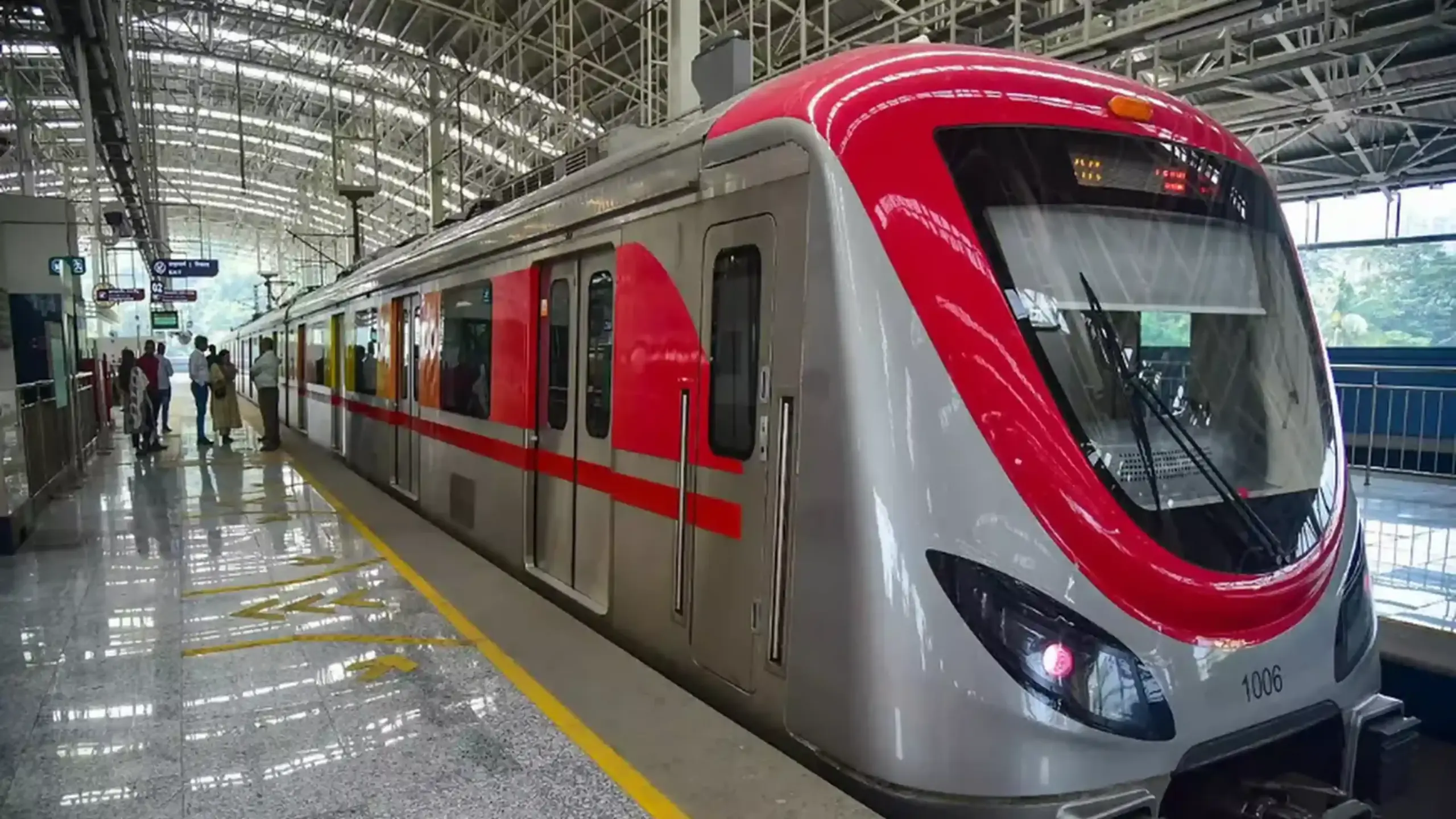
Mumbai’s metro expansion is undergoing a transformative shift, prioritising sustainable, gender-neutral, and equitable transit-oriented development (TOD). This approach aims to create zero net carbon, eco-friendly, and inclusive urban environments, aligning with global best practices in urban mobility.
The city’s metro network has grown significantly, with over 100 km of operational lines and more than 170 km under construction. This expansion is part of India’s broader metro development strategy, which has seen the network increase from 248 km in five cities in 2014 to over 1,000 km across 23 cities by 2025 . Central to Mumbai’s metro development is the integration of TOD principles. This strategy focuses on creating high-density, mixed-use communities centred around public transit systems, reducing the need for private vehicle use and promoting sustainable urban growth. The city’s metro projects are designed to be gender-neutral, ensuring that infrastructure and services cater to the needs of all commuters, regardless of gender.
Equity is another cornerstone of Mumbai’s metro expansion. The development prioritises accessibility for all socioeconomic groups, ensuring that the benefits of improved transit reach underserved communities. This approach aims to reduce social inequalities and promote inclusive urban development. Sustainability is embedded in the design and operation of Mumbai’s metro projects. The use of energy-efficient technologies, eco-friendly materials, and green building practices contributes to the city’s goal of achieving zero net carbon emissions. Additionally, the integration of electric buses and non-motorised transport options enhances last-mile connectivity and reduces the city’s carbon footprint.
The expansion of Mumbai’s metro network is supported by significant investments from both the government and international partners. The Asian Development Bank has committed $10 billion to support India’s urban development and metro expansion projects over the next five years, underscoring the importance of robust urban planning and infrastructure development in driving economic progress . As Mumbai continues to expand its metro network, the focus on sustainable, gender-neutral, and equitable TOD ensures that the city’s growth is aligned with global standards for urban mobility. This approach not only enhances the quality of life for residents but also sets a benchmark for other cities aiming to develop inclusive and sustainable urban transport systems.
Also Read: Kolkata Metro Enhances Connectivity with Tunnel Integration
