Mumbai Water Cut Stays Despite Rising Reservoir Levels
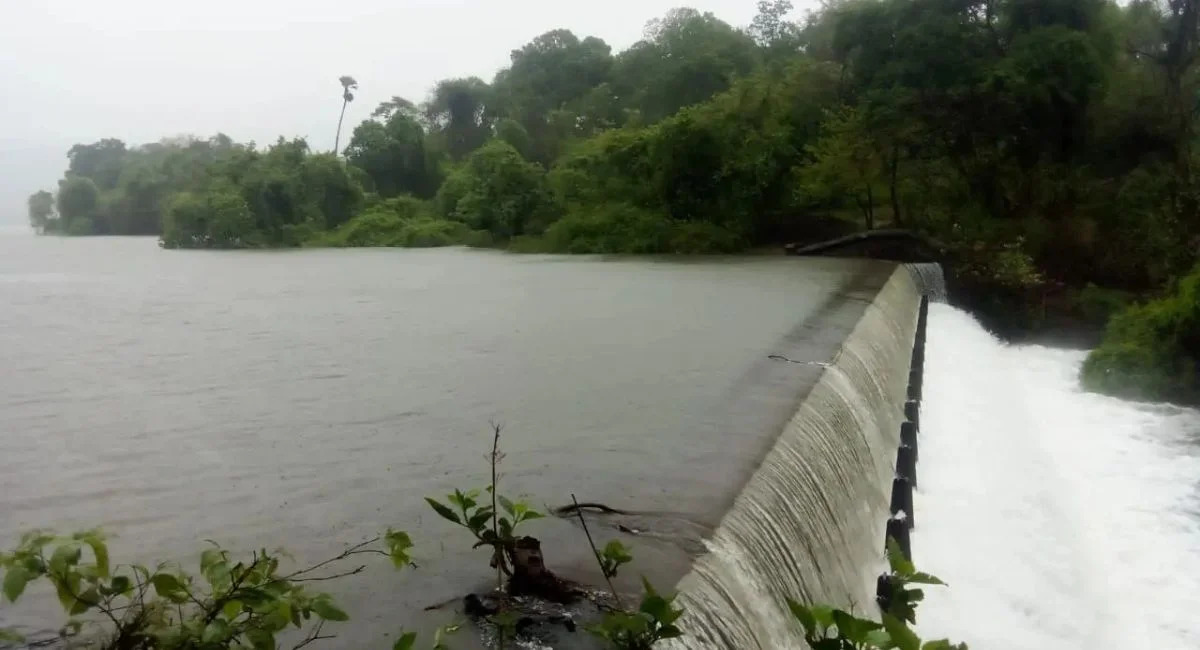
Mumbai will continue with its 10% water cut despite its seven water-supplying reservoirs reaching nearly 96% capacity, as the civic administration prioritises a stronger buffer against an uncertain end to the monsoon. The decision keeps pressure on households and businesses even as water stocks have recovered sharply from the summer crisis, highlighting the challenge of managing a city’s water security beyond short-term reservoir gains. The Brihanmumbai Municipal Corporation (BMC) has indicated that it wants the reservoirs to reach full capacity before reconsidering the restriction. The civic administration is now looking towards September 30 as an important benchmark, although the final decision on restoring normal supply will rest with the municipal commissioner. Recent data showed the combined stock at about 95.8% of capacity.
The continued Mumbai water cut reflects a more cautious approach to reservoir management. Mumbai’s supply depends heavily on seasonal rainfall, making the quantity and timing of late-monsoon showers important even when lake levels appear comfortable. The India Meteorological Department has forecast below-normal rainfall for September nationally after a significantly deficient August, with El Niño conditions contributing to the broader weather uncertainty. That caution is particularly significant because the city entered the monsoon with unusually low reserves. The BMC introduced the 10% reduction from May 15 after reservoir stocks fell sharply. In June, when the seven lakes were close to 10% full, restrictions were strengthened: water supply to construction sites and swimming pools was suspended, while industrial and commercial users faced a 20% reduction.
Some restrictions have since been eased. Water supply to municipal swimming pools was restored in August, while the broader citywide reduction remains. The reservoir recovery has also substantially improved Mumbai’s immediate water position, but the BMC’s decision suggests that storage levels alone are not being treated as sufficient evidence for removing conservation measures. The issue also exposes a wider urban infrastructure concern. Water demand remains high across homes, offices, construction activity and public services, while supply depends on a relatively concentrated network of reservoirs. Localised complaints have therefore become an important part of the current response, with civic engineers being directed to investigate supply problems at affected locations rather than relying only on central-level interventions.
For residents, the immediate impact is continued conservation despite reservoirs being close to full. For the city, the bigger question is whether Mumbai can build enough resilience to manage increasingly uneven rainfall without repeatedly moving between emergency restrictions and rapid relaxation. The next review will determine whether fuller reservoirs and the late-monsoon outlook are strong enough to restore normal supply.