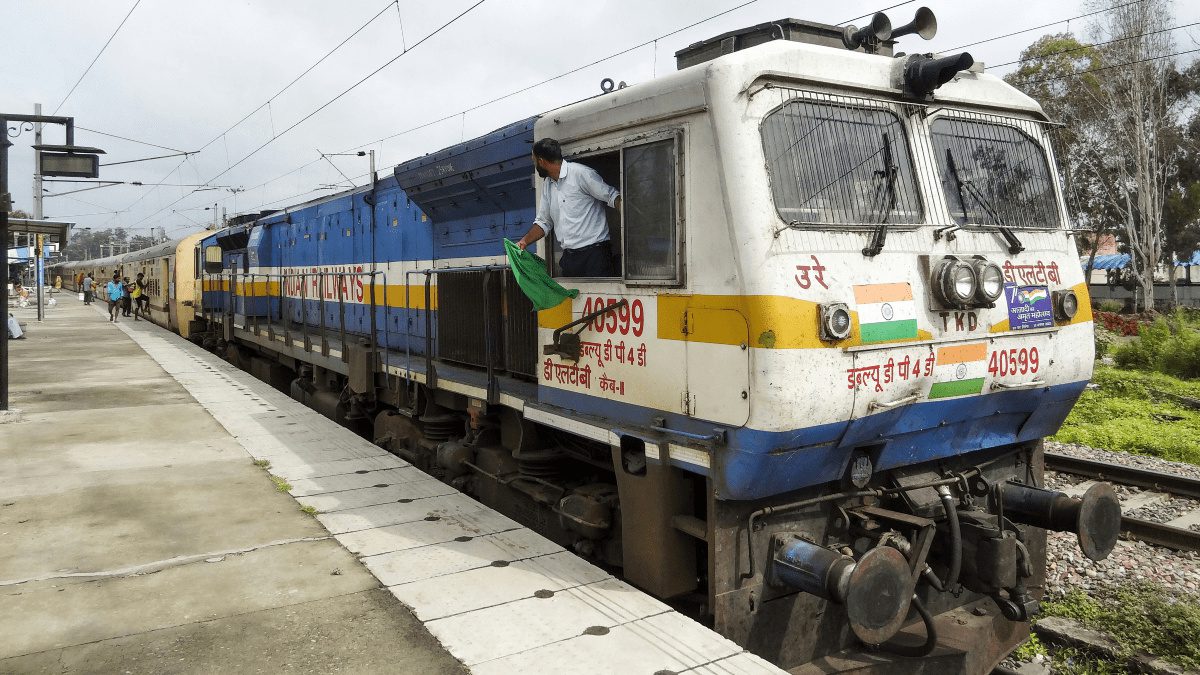
Mumbai Summer Special Trains Boost Seasonal Connectivity
Mumbai’s suburban and long-distance rail network is gearing up for seasonal travel pressures with the introduction of additional summer special trains connecting the city to key northern destinations. The move is aimed at easing passenger congestion during peak months, when demand for intercity travel typically surges due to holidays, migration flows, and educational schedules. The summer special trains will operate from Lokmanya Tilak Terminus, linking Mumbai with cities in north india such as Varanasi and Sultanpur. Scheduled as weekly services over the coming months, these trains are intended to supplement existing routes that often experience heavy waitlists during this period.
Railway officials indicate that the additional capacity is part of an annual strategy to manage cyclical spikes in demand. Transport analysts note that the introduction of summer special trains plays a crucial role in maintaining network efficiency without permanently altering timetables. By deploying temporary services, the railways can respond flexibly to passenger needs while avoiding long-term operational strain. This is particularly important in a system as heavily utilised as Mumbai’s, where both suburban and long-distance services operate near capacity. The routes selected for these summer special trains highlight strong travel demand between Mumbai and northern states, driven by economic migration and social ties. Experts suggest that improving connectivity on these corridors not only benefits passengers but also supports regional economic linkages, enabling smoother movement of labour and facilitating access to urban opportunities.
From an infrastructure perspective, the use of existing rail corridors for additional services underscores the importance of optimising capacity within current networks. However, it also points to the need for long-term investments in rail expansion, modernisation, and scheduling efficiency to accommodate growing mobility demands in a sustainable manner. Each train is expected to include a mix of air-conditioned and general coaches, catering to diverse income groups and ensuring broader accessibility. Urban mobility specialists emphasise that maintaining affordability alongside capacity expansion is essential in a country where railways remain a primary mode of long-distance travel for millions. Digital booking platforms have been enabled for these services, allowing passengers to reserve tickets through mobile applications and online systems. This aligns with a broader push towards digitisation in public transport, reducing dependency on physical counters and improving user convenience.
While the rollout of summer special trains is likely to ease immediate pressure on the network, planners caution that recurring seasonal congestion reflects deeper structural challenges. Addressing these will require sustained investment in rail infrastructure, improved integration with other modes of transport, and a continued focus on energy-efficient operations. As India’s cities expand and mobility patterns evolve, adaptive measures such as summer special trains offer short-term relief while highlighting the urgency of building resilient, inclusive, and future-ready transport systems.