Mumbai Strengthens Festival Safety And Civic Services
Mumbai is expanding its civic preparations ahead of Ganeshotsav, with the municipal administration reviewing immersion infrastructure, road safety, public health and essential services before the festival begins on September 14. The city has identified 378 immersion locations and is also planning health facilities at selected pandals, placing crowd management, accessibility and environmental safeguards alongside the logistical demands of one of Mumbai’s largest annual public gatherings. The immersion network includes 44 coastal sites, 23 natural water bodies and 281 artificial ponds. Idols measuring up to six feet are required to be immersed in artificial ponds under court directions, making the capacity and readiness of these temporary facilities particularly important as thousands of families and community groups participate in the celebrations.
The civic administration plans to make location information available through QR codes and digital mapping services. For residents, that could reduce uncertainty around where idols can be immersed and help distribute crowds across available facilities rather than concentrating activity at a smaller number of popular waterfront locations. The environmental dimension is also becoming more prominent. The BMC has made 858 tonnes of shadu soil and 25,400 litres of eco-friendly colours available to sculptors. Shadu soil is a natural clay traditionally used for idols and can reduce the environmental burden associated with some non-natural materials. However, the effectiveness of greener festival practices will ultimately depend on adoption, collection systems and proper handling after immersion. Health access is another part of the preparations. Selected pandals are expected to host free medical check-ups, eyeglass distribution and breast cancer screening. The proposed services bring preventive healthcare into spaces that attract large numbers of people, although their reach will depend on the number and geographic spread of participating locations.
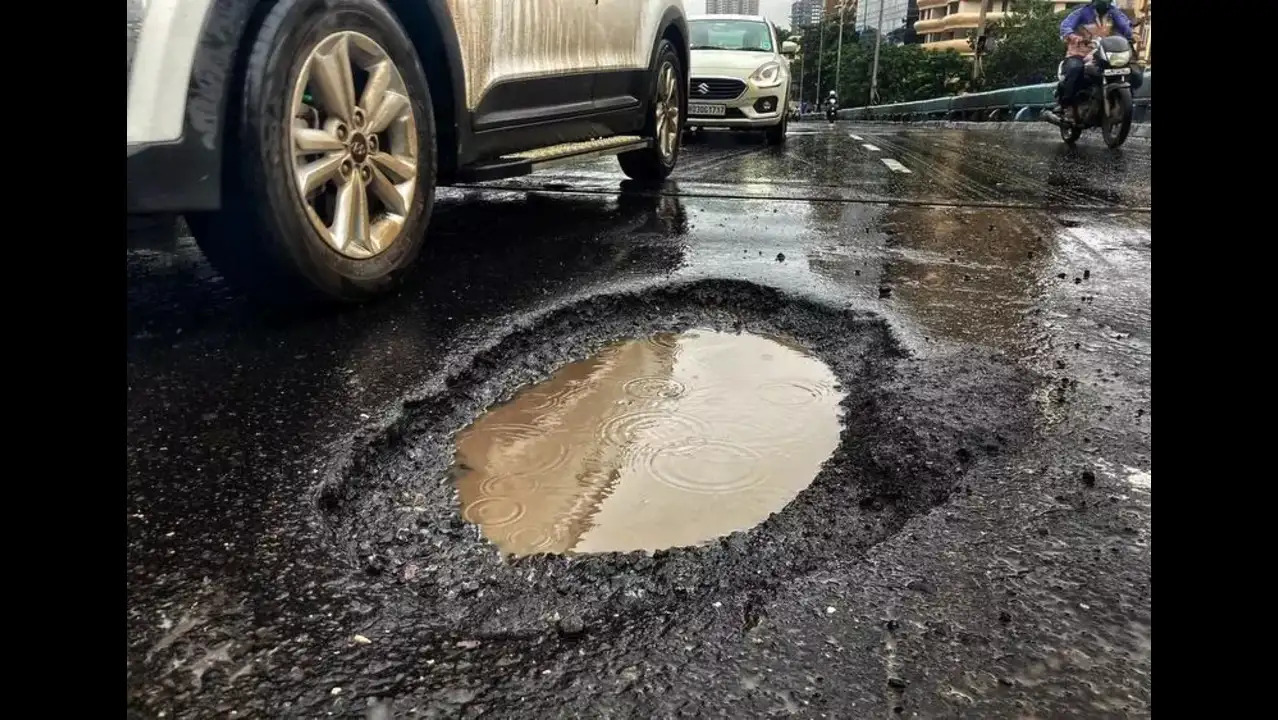
The BMC is also working on pothole repairs, tree pruning and removal of overhead cables along procession and immersion routes. These interventions have a practical safety role because damaged roads, obstructed paths and poorly managed utility infrastructure can become larger risks when pedestrian and vehicle movement rises sharply during festival days. Facilities for women are also being planned around the festival, with restrooms and Hirakani rooms expected to remain available around the clock. Such measures matter in a city where festival participation involves long journeys, extended waits and large public crowds. Urban planners note that the festival places a short but intense demand on Mumbai’s transport, sanitation, water and public-space systems. The immediate priority is therefore not only completing preparations but ensuring that infrastructure remains accessible, safe and environmentally manageable throughout the 10-day period.
With Ganeshotsav approaching, the quality of execution across immersion sites and major routes will determine whether the city can accommodate large celebrations without placing disproportionate pressure on roads, public spaces and natural water bodies.