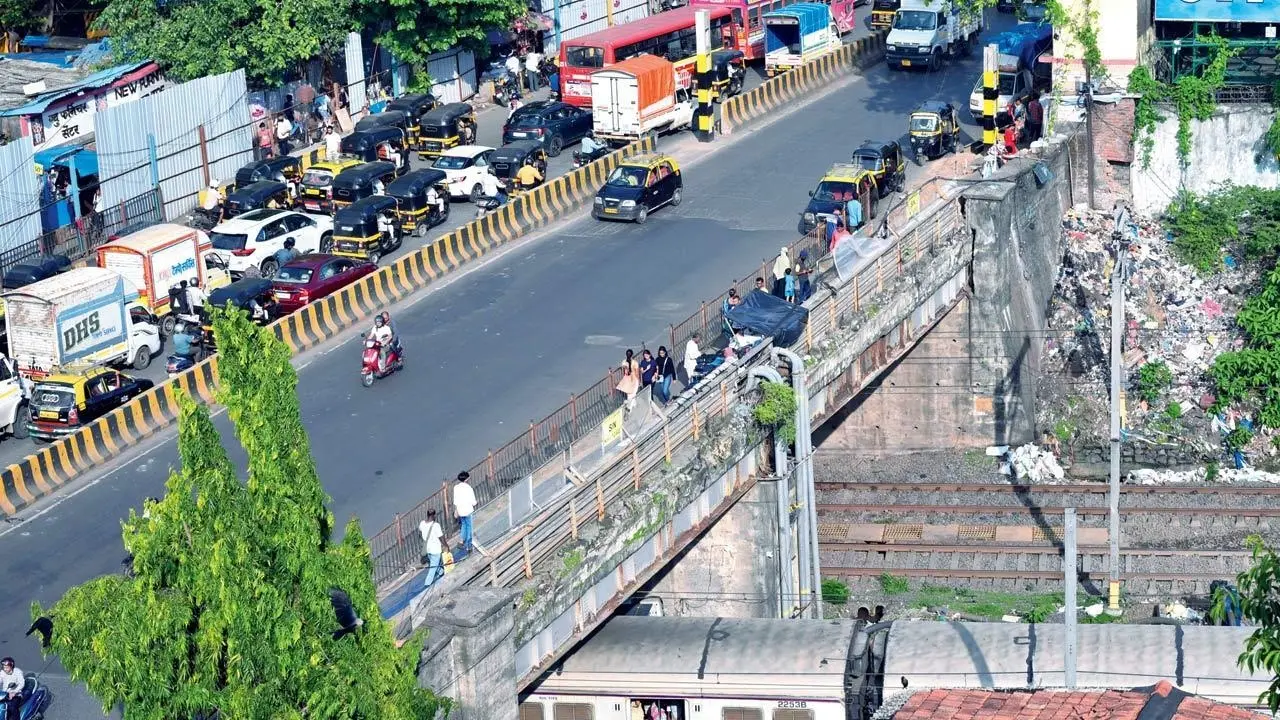
Mumbai’s civic administration has imposed a firm mid-July 2026 deadline for completing the Sion railway overbridge reconstruction, signalling a push to accelerate stalled infrastructure while limiting further disruption during the monsoon season. The directive comes alongside a broader clampdown on road excavation activity, with authorities aiming to stabilise mobility conditions across the city before heavy rains begin. The Sion flyover, a critical east-west connector, has long been under redevelopment to improve structural safety and traffic flow in one of Mumbai’s most congested transit corridors. Delays in such projects often ripple across the urban economy, affecting daily commutes, freight movement, and local business activity. Setting a fixed completion date reflects an attempt to restore predictability in infrastructure delivery.
In parallel, the administration has introduced a strict cut-off for new road digging works by the end of April, while mandating that all ongoing projects be wrapped up and roads reinstated by the end of May. This annual pre-monsoon restriction is intended to prevent waterlogging, road damage, and traffic bottlenecks that typically worsen when unfinished works coincide with heavy rainfall. Urban planners highlight that Mumbai’s road network is particularly vulnerable during the monsoon due to its age, high usage intensity, and frequent utility interventions. Uncoordinated excavation not only weakens road surfaces but also disrupts underground drainage systems, increasing flood risks. The decision to enforce tighter timelines reflects a growing recognition of how infrastructure planning intersects with climate resilience. Officials overseeing the review of key projects have emphasised the need for inter-departmental coordination, especially in areas where multiple agencies operate simultaneously.
In recent years, overlapping works by transport, utility, and metro authorities have led to prolonged disruptions, raising concerns about efficiency and accountability in urban project execution. The Sion flyover project also carries implications for surrounding real estate and commercial zones. Improved connectivity is expected to ease congestion and enhance accessibility, potentially supporting local economic activity. However, prolonged construction phases have historically imposed costs on small businesses and commuters, underscoring the importance of timely completion. Experts argue that beyond deadlines, the quality and durability of infrastructure must remain central. With Mumbai facing increasingly erratic rainfall patterns linked to climate change, bridges and roadways must be designed to withstand higher stress levels. This includes better drainage integration, resilient materials, and long-term maintenance planning.
The coming months will test the administration’s ability to deliver on both speed and quality. For residents, the immediate expectation is smoother roads and fewer disruptions during the monsoon. In the longer term, consistent adherence to timelines and coordinated planning will be key to building a more reliable and climate-resilient urban transport network.