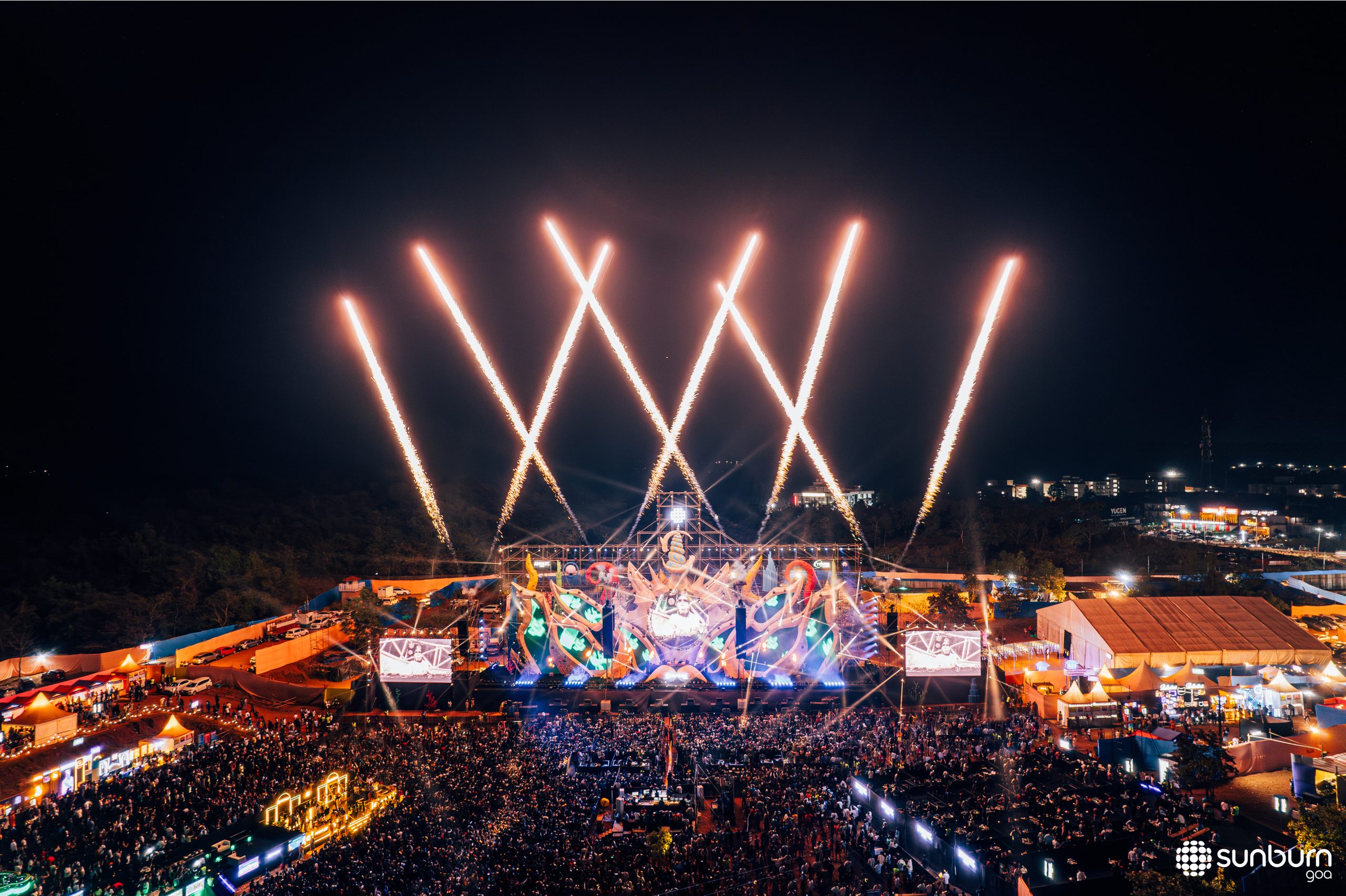
Mumbai will host Sunburn Festival 2026 at Mahalaxmi Racecourse on December 18 and 19, marking another shift towards large-scale cultural events being staged within established urban districts. The move places a major electronic music gathering closer to rail, road and hospitality networks, while also raising questions about crowd management, public-space pressure and the environmental footprint of high-density events. The 19th edition is scheduled as a two-day event at the racecourse in central Mumbai. Official listings confirm the venue and dates, while ticketing information places entry from the afternoon onwards. The event follows Sunburn’s Mumbai debut and represents a continuing departure from the festival’s earlier association with large outdoor venues in Goa.
For the city, the significance extends beyond entertainment. Mahalaxmi is connected to Mumbai’s suburban railway system and sits within a dense, established urban district. Holding a major festival in such a location can reduce dependence on dedicated temporary transport corridors and make public transport a more practical option for attendees travelling from different parts of the metropolitan region. That advantage, however, depends on event planning. Large crowds can place sudden pressure on railway stations, surrounding roads, pedestrian routes, emergency services and waste-management systems. Urban planners say the success of Sunburn Festival 2026 should therefore be measured not only by attendance, but also by how effectively organisers and civic agencies manage movement, sanitation, noise and neighbourhood disruption.
The choice of a racecourse also brings a different land-use question. The venue is a significant open space within a highly built-up part of Mumbai. Its temporary conversion for a large event creates an opportunity to demonstrate how major cultural gatherings can operate without creating unnecessary infrastructure demand or leaving a substantial post-event waste burden. The wider economic effect could extend to hospitality, food services, local transport and other visitor-facing businesses. A centrally located festival can distribute spending across the surrounding urban economy rather than concentrating activity around a remote destination. At the same time, higher footfall requires careful coordination so that commercial benefits do not come at the cost of everyday mobility for residents. One detail in the supplied information also requires correction. Official Sunburn listings currently confirm the Mumbai festival for December 18–19, but do not list a December 20 closing party at NSCI Dome. The official December calendar instead lists a separate Sunburn Arena event in Bengaluru on December 20.
For Sunburn Festival 2026, the next test is therefore operational rather than simply commercial: whether Mumbai can accommodate a large cultural event while keeping public transport, neighbourhood access, waste systems and shared urban spaces functioning for everyone.