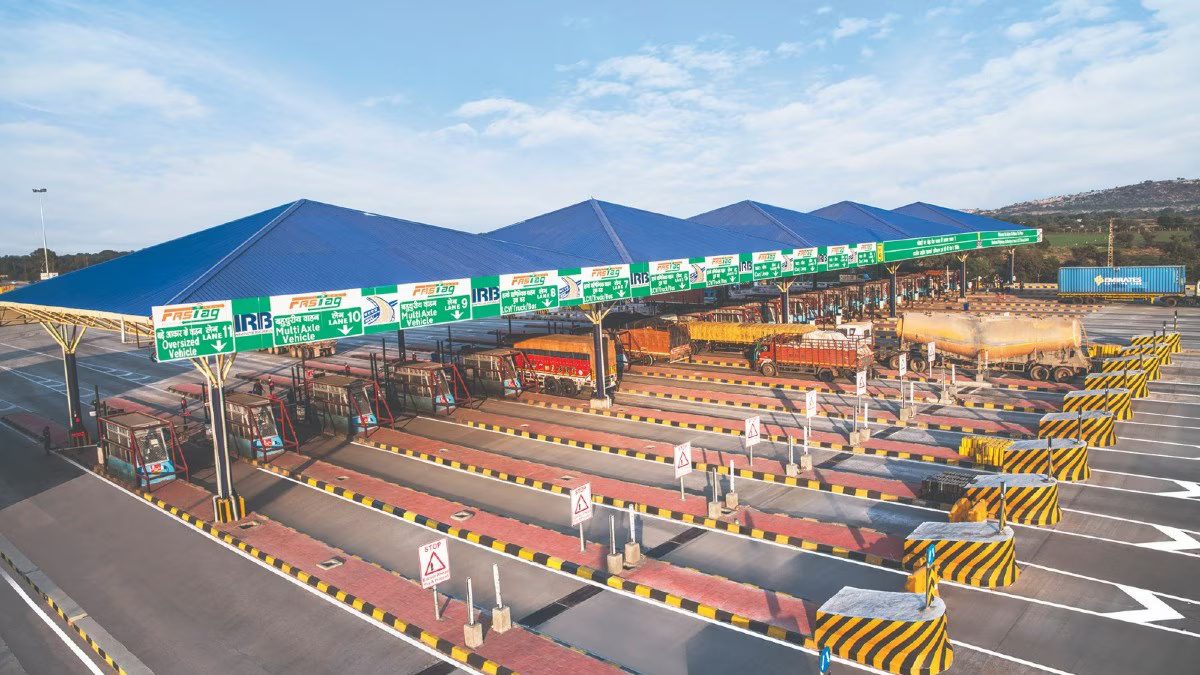
Surat Bharuch toll reform signals barrier free highways
A proposed toll framework for the upcoming Virar–Alibaug multimodal corridor is drawing attention across the Mumbai Metropolitan Region, as planners weigh infrastructure financing against affordability concerns for daily commuters and logistics operators. The 126-kilometre access-controlled route, planned to connect the northern outskirts of the region with the coastal belt to the south, is positioned as a critical intervention to decongest Mumbai’s overburdened road network. By diverting through-traffic and freight movement away from the city core, the project is expected to reduce travel time and ease pressure on existing arterial routes.
However, the proposed Virar Alibaug corridor toll, estimated to range between ₹765 and ₹1,000 for end-to-end travel depending on vehicle category, has triggered debate over user costs in large-scale infrastructure projects. While toll-based models remain a key funding mechanism for high-capacity corridors, urban policy experts point out that pricing must be calibrated to ensure widespread adoption, particularly for essential movement such as goods transport. Officials associated with the project indicate that the high capital cost—estimated at over ₹55,000 crore—has been driven largely by land acquisition requirements and the complexity of building an 8 to 14-lane corridor across densely developed zones. In such cases, toll recovery is often seen as necessary to maintain financial viability without excessive reliance on public funds. The Virar Alibaug corridor toll debate also highlights broader questions around equitable mobility. Transport economists argue that if user charges are perceived as prohibitive, there is a risk that traffic may continue to rely on existing, already congested routes, undermining the intended benefits of the new corridor. This could particularly impact small businesses and lower-income commuters who depend on cost-sensitive travel options.
At the same time, the project’s multimodal design offers a potential pathway towards more sustainable urban mobility. Plans to integrate public transport systems, including bus and possible metro connectivity, could help reduce reliance on private vehicles over time. Urban planners suggest that aligning toll policies with robust public transport alternatives may create a more balanced mobility ecosystem, supporting both efficiency and inclusivity. Strategically, the corridor is expected to strengthen links to major infrastructure nodes, including the region’s key port, emerging airport facilities and cross-harbour connectivity. This integration could enhance logistics efficiency, reduce freight bottlenecks and support regional economic growth by improving access between industrial and residential zones. Yet, challenges remain. Land acquisition, rehabilitation of affected communities and environmental considerations are likely to shape project timelines and public perception. Experts emphasise that transparent stakeholder engagement and fair compensation frameworks will be essential to ensure that infrastructure expansion does not come at the cost of social equity.
As the project advances towards phased implementation, expected over the coming years, the balance between financial sustainability and public accessibility will remain central. For the Mumbai region, the success of the corridor will depend not only on engineering scale but also on how effectively it integrates affordability, environmental sensitivity and long-term urban resilience into its design.