A cross-state exchange on metropolitan planning has placed Mumbai’s regional development framework under the spotlight, as senior urban officials from Andhra Pradesh engaged with planning authorities in the financial capital to study approaches to large-scale infrastructure and governance. The interaction, held in Mumbai, brought together representatives overseeing newly constituted urban development authorities in Andhra Pradesh. The exercise reflects a broader shift among Indian states towards learning from established metropolitan systems as urbanisation accelerates and cities face mounting pressure on land, transport and public services.
At the centre of the discussions was the MMRDA model, which has evolved around integrating land use planning with transport infrastructure and financial structuring. Officials involved in the exchange indicated that the model’s emphasis on long-term regional planning, rather than isolated project execution, was of particular interest to visiting delegates tasked with shaping emerging urban centres. Urban planners note that such frameworks are becoming increasingly relevant as cities expand beyond municipal boundaries into larger economic regions. The Mumbai Metropolitan Region, spanning thousands of square kilometres, offers a case study in coordinating multiple jurisdictions, aligning infrastructure investments, and managing growth through regulatory mechanisms. A key aspect explored during the sessions was the use of structured financing tools to support capital-intensive infrastructure. Experts highlighted that approaches such as land monetisation, revenue-sharing arrangements and public-private partnerships are helping bridge funding gaps without placing excessive burden on public finances. These mechanisms, when implemented with transparency, can enable sustained investment in mobility networks and urban services.
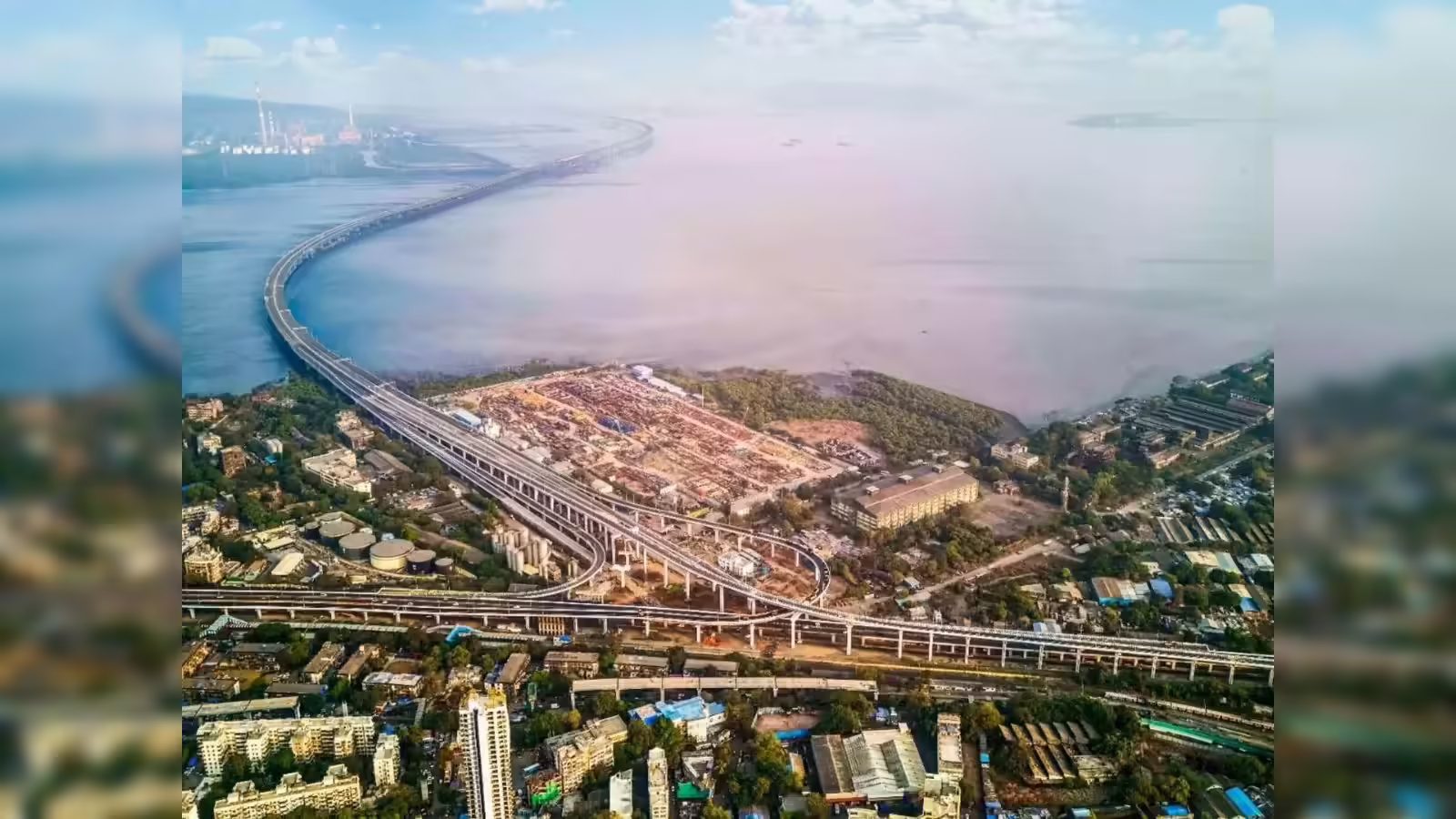
The MMRDA model also places strong emphasis on data-backed decision-making and land record management. According to officials familiar with the framework, accurate asset mapping and regulatory clarity are critical in reducing project delays and improving investor confidence. This becomes particularly significant in high-density regions where land availability and acquisition remain major constraints. Transport-led development emerged as another focal point of the discussions. With metro rail networks, tunnel corridors and multimodal connectivity shaping Mumbai’s expansion, planners increasingly view mobility infrastructure as a catalyst for economic activity and more balanced urban growth. Integrating first- and last-mile connectivity into these systems is seen as essential for improving accessibility and reducing dependence on private vehicles. However, urban policy experts caution that replicating such models requires contextual adaptation. Differences in land markets, governance capacity and socio-economic conditions mean that a direct transfer of frameworks may not always yield the same outcomes. Instead, the focus is shifting towards adopting core principles—such as integrated planning, financial sustainability and institutional coordination—while tailoring execution to local realities.
The exchange also underscores a growing recognition that sustainable urbanisation hinges on coordinated governance. As cities grapple with climate risks, resource constraints and rising populations, the ability to align infrastructure planning with environmental considerations is becoming central to long-term resilience. For states like Andhra Pradesh, the challenge will be translating these learnings into actionable strategies that balance growth with inclusivity. For Mumbai, the continued interest in its planning approach signals its evolving role as a reference point in India’s urban transformation journey, even as it navigates its own complex development pressures.