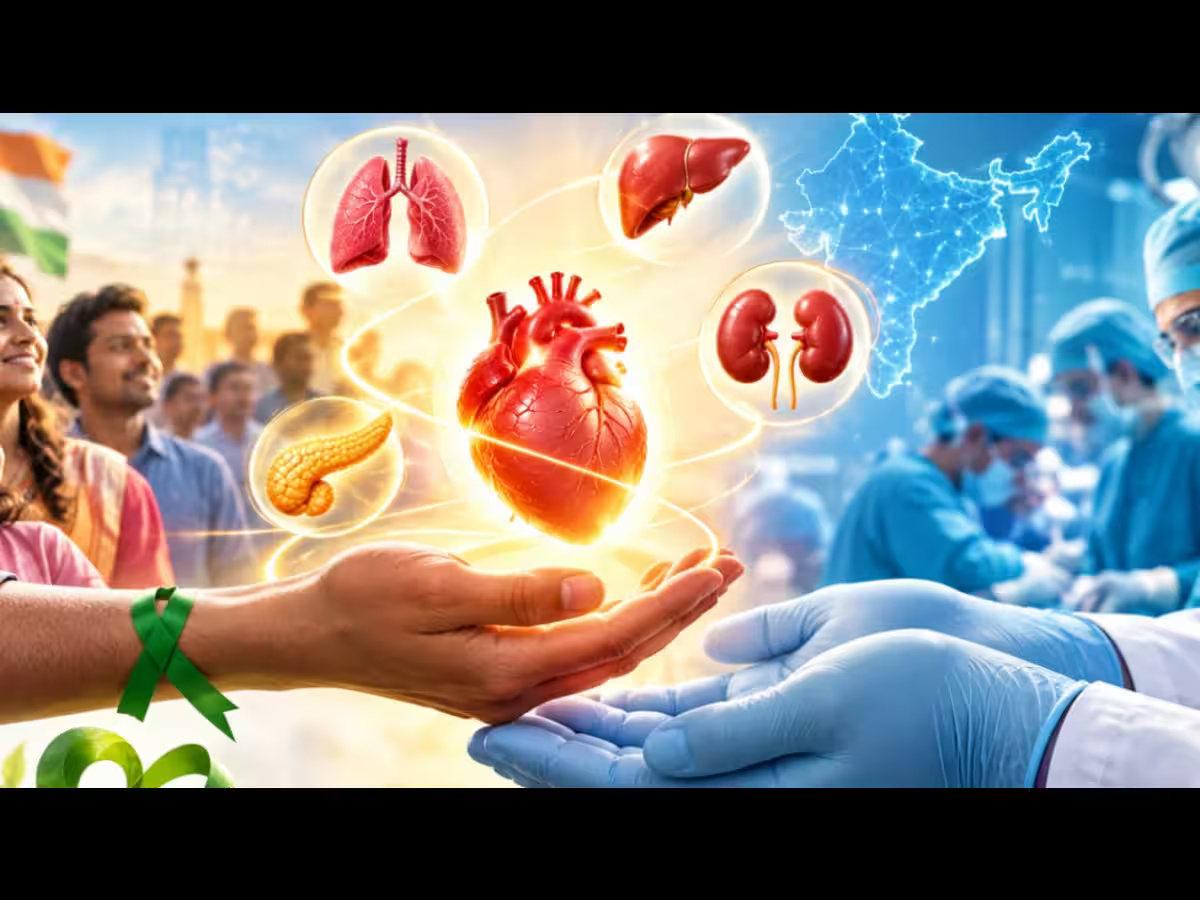
Mumbai’s transplant system is confronting a persistent mismatch between the number of patients needing organs and the supply of donations, with nearly 5,000 people currently awaiting transplants across major organ categories. Data available ahead of World Organ Donation Day on August 13 also shows that deceased-donor activity remains limited, putting renewed focus on donation awareness, family consent and the systems required to convert pledges into actual transplants. The waiting list in Mumbai includes about 4,000 kidney patients, 900 people requiring liver transplants, 60 awaiting hearts, 25 needing lungs and 15 seeking pancreas transplants. The figures illustrate how the shortage extends across multiple specialties rather than being concentrated in a single area.
By August 12, Mumbai had recorded 40 deceased donors during 2026, according to transplant coordination data. These donations resulted in 115 cadaveric organ transplants, including kidneys, livers, hearts, lungs, pancreases and one small-bowel transplant. Each donor can potentially help several recipients, making deceased donation an important component of the city’s transplant capacity. Yet the gap between demand and supply remains substantial. Transplant authorities have also highlighted low participation in formal organ pledging among families who have themselves experienced transplantation. Greater involvement from transplant recipients and their families could help make organ donation a more visible part of public discussion. The issue is not simply about the number of people who sign a pledge. A successful donation depends on a chain of medical, logistical and administrative processes. Potential donors must be identified in hospitals, families must understand the process, medical teams must assess suitability and organs must be allocated and transported within strict time limits.
That makes Mumbai organ donation a wider healthcare infrastructure issue. Better coordination between hospitals, transplant authorities and emergency medical systems can determine how efficiently available organs reach suitable recipients. Public awareness remains equally important because a person’s recorded intention may still require family understanding and cooperation when donation becomes possible. Statewide registration figures suggest that interest exists. National transplant data showed 1,18,913 registered organ-donation pledges across Maharashtra as of August 12. Mumbai accounted for 2,998 pledges, while Mumbai Suburban recorded 2,719 and Thane 6,843. However, pledges alone cannot close the transplant deficit. Mumbai organ donation will need sustained public engagement alongside stronger hospital-level identification, counselling and coordination systems. For a metropolitan region with extensive healthcare capacity, improving the conversion of willingness into completed donations could have a direct effect on patients waiting for life-saving treatment.
World Organ Donation Day provides a timely opportunity to focus attention on that entire chain. The priority is not only encouraging more people to register, but ensuring that when donation becomes possible, the healthcare system is prepared to act quickly, transparently and equitably.