Mumbai Metro And Road Links Reshape East West Travel
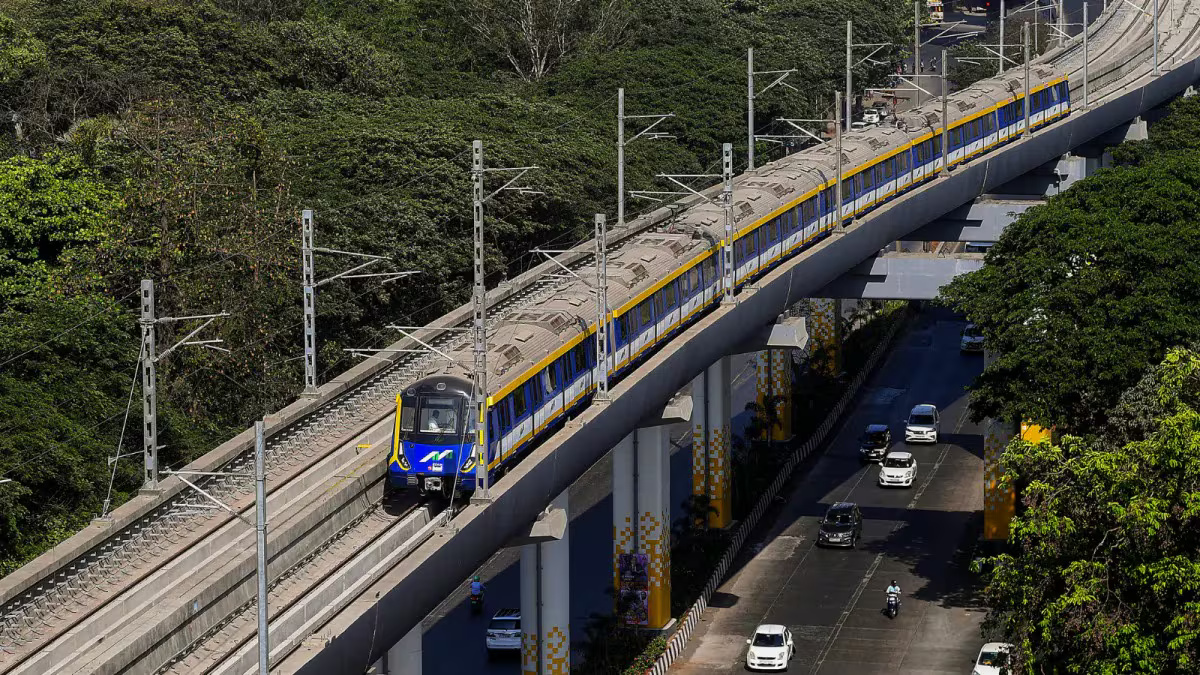
Mumbai is set for another shift in its transport network as a Metro 2B extension and the final SCLR link near BKC move towards public use, while work advances on the second Thane-Borivali tunnel. Together, the projects target some of the region’s most persistent east-west bottlenecks, but their long-term value will depend on how well Mumbai integrates public transport, road capacity and last-mile access. The Metro Line 2B extension from Diamond Garden towards Chembur is particularly significant because of its potential to improve interchange between different modes. The Chembur Metro station is located close to the monorail and suburban railway networks. Better physical connections between these systems could reduce the need for commuters to rely on private vehicles for cross-city journeys.
The development builds on the first operational section of Metro 2B, which opened between Mandale and Diamond Garden in April. Extending the corridor towards Chembur brings the metro closer to established residential and employment districts. Urban transport planners say the real test will be whether interchange routes are safe, accessible and convenient, especially for pedestrians and older commuters. On the road network, the SCLR extension is designed to provide a more direct connection between Vakola Junction on the Western Express Highway and Bharat Nagar in the Bandra Kurla Complex. The completed section includes an elevated four-lane carriageway and connecting ramps. By reducing the need to pass through the Kalanagar area, the link could shorten journeys to BKC and redistribute traffic across surrounding roads.
However, additional road capacity does not automatically translate into lasting congestion relief. Transport specialists note that easier driving routes can attract additional vehicle trips over time. The project’s wider benefit will therefore depend on whether it works alongside high-capacity public transport and effective traffic management. The third intervention is the Thane-Borivali Twin Tunnel project, where MMRDA is developing a pair of road tunnels beneath the Sanjay Gandhi National Park. The authority’s latest project information records the first Thane-side TBM, Nayak, as already launched, while the second machine, Arjuna, was undergoing assembly. The project is intended to create a faster connection between Borivali and Thane, with the proposed route expected to substantially reduce current journey times. The tunnel project also carries a different environmental responsibility from conventional road expansion because it passes beneath a protected landscape. MMRDA records environmental and forest-related approvals for the project, making construction controls, monitoring and restoration important alongside transport outcomes.
For Mumbai, these projects show the scale of investment required to overcome fragmented mobility. The strongest gains will come if new links are planned as one network, allowing commuters to move between metro, rail and roads without unnecessary transfers, delays or car dependence.