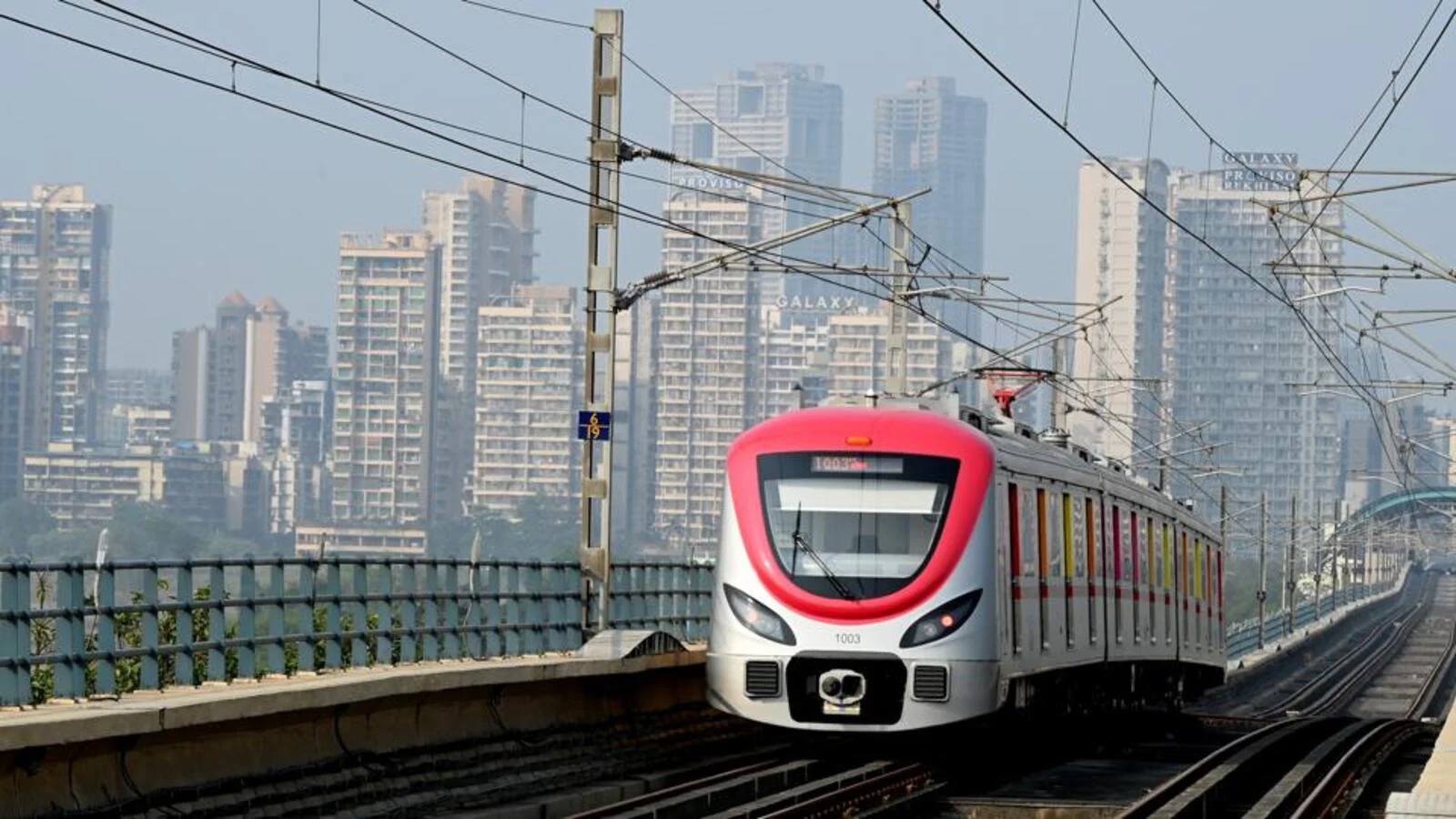
The proposed Mumbai Metro 13 is set to reshape connectivity across the rapidly expanding Vasai-Virar region after receiving approval from the Maharashtra Cabinet. The 25-km corridor will link Bhayandar with Virar and incorporate a 4.92-km road-and-Metro crossing over Vasai Creek. The project could reduce dependence on congested road links while giving residents an additional public transport option across Mumbai’s northern suburban belt. The Mumbai Metro 13 project is significant because the Bhayandar-Vasai-Virar corridor has grown faster than its transport infrastructure in several areas. Residents currently depend heavily on suburban rail and road-based travel, while the Vasai Creek crossing remains a major constraint for vehicles moving between the two sides.
The integrated crossing is planned as a six-lane road bridge alongside the Metro infrastructure. Once operational, the road connection is expected to substantially reduce travel time between Bhayandar and Vasai, particularly when compared with existing peak-hour journeys. For commuters, that could mean more predictable trips rather than simply shorter ones. The rail component could have a broader effect on mobility. A senior transport planner said additional mass-transit capacity is particularly important in peripheral suburban areas where housing expansion can outpace public transport provision. Mumbai Metro 13 could provide another north-south mobility option while helping distribute passenger demand across the wider transport network. The economic implications extend beyond commuting. Better connections between Bhayandar, Vasai and Virar can improve access to employment, education and commercial centres while making the movement of workers across the region easier. Improved transport accessibility can also influence development patterns, although planners caution that new infrastructure needs to be accompanied by appropriate land-use controls and civic services.
The project also presents an opportunity to reduce some dependence on private vehicles. Shifting a meaningful share of daily journeys towards Metro services could support lower transport emissions and reduce pressure on heavily used roads. However, the environmental benefit will depend on how effectively stations connect with buses, walking routes, cycling infrastructure and surrounding neighbourhoods. The bridge component will require particular attention because creek crossings are exposed to complex environmental and engineering conditions. Long-term resilience will depend on design standards, drainage, maintenance and protection against climate-related risks, especially as intense rainfall and flooding become more important considerations for urban infrastructure.
For the region, Mumbai Metro 13 is therefore more than a new rail corridor. Its success will depend on whether the integrated infrastructure creates a reliable public transport network, improves access without encouraging unmanaged development and connects existing communities to the opportunities generated by Mumbai’s continuing outward growth.