


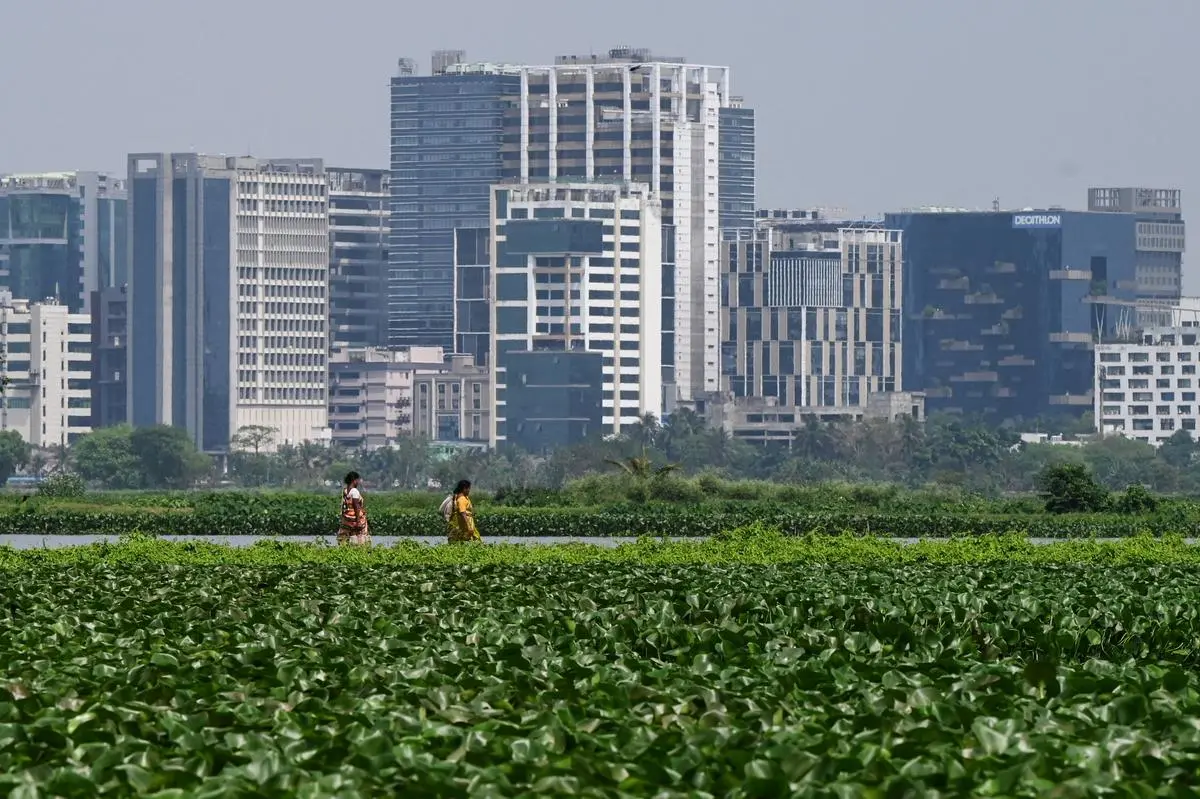
Wetlands have emerged as a central theme in ongoing climate discussions in Kolkata, where India and Germany are engaging on strategies to strengthen environmental resilience and sustainable urban development.
The dialogue underscores the growing recognition of natural ecosystems as critical infrastructure in addressing climate risks, particularly in rapidly urbanising regions.The discussions focus on how wetlands can support flood management, groundwater recharge, and biodiversity conservation—functions that are increasingly vital for cities facing extreme weather events and ecological stress. In Kolkata, where low-lying geography and high population density amplify vulnerability, the emphasis on wetlands is closely tied to long-term urban resilience planning.The prominence of Kolkata wetlands climate talks reflects a broader shift in climate policy, where nature-based solutions are being integrated into development frameworks.Rather than relying solely on engineered infrastructure, policymakers are exploring ways to leverage natural systems to enhance adaptive capacity and reduce environmental risks.Experts participating in the dialogue highlight that wetlands act as natural buffers, absorbing excess rainfall and reducing the impact of flooding. This is particularly relevant for Kolkata, which frequently experiences waterlogging during intense rain events.Protecting and restoring these ecosystems could play a key role in mitigating such challenges.The Kolkata wetlands climate talks also bring attention to the economic and social dimensions of conservation.
Wetlands support livelihoods through fisheries, agriculture, and informal economies, making their preservation essential for inclusive growth. At the same time, unregulated urban expansion has led to the degradation of many such areas, raising concerns about long-term sustainability.From an international cooperation perspective, the engagement between India and Germany highlights the importance of knowledge exchange and collaborative approaches. Sharing best practices in wetland management, climate adaptation, and urban planning can help cities develop more effective and context-specific solutions.Urban planners note that integrating wetlands into city development plans requires coordinated governance. Land use policies, zoning regulations, and enforcement mechanisms must align to prevent encroachment and ensure ecological integrity.This is particularly challenging in fast-growing cities where competing demands for land often take precedence.The discussions also align with global climate goals that emphasise ecosystem restoration and conservation. As cities contribute significantly to emissions and environmental degradation, incorporating natural systems into urban planning is increasingly seen as a necessary step towards achieving sustainability targets.For Kolkata, the focus on wetlands represents both an opportunity and a challenge. While the city has a rich network of such ecosystems, maintaining and restoring them will require sustained effort, investment, and community participation.
As climate negotiations continue, the emphasis on wetlands signals a shift towards more holistic approaches to urban resilience—where environmental protection and development are treated as interconnected priorities. The outcomes of these talks could influence how cities across India and beyond integrate nature into their climate strategies in the years ahead.
Also Read:Kolkata Thunderstorms Forecast Signals Weather Shift
