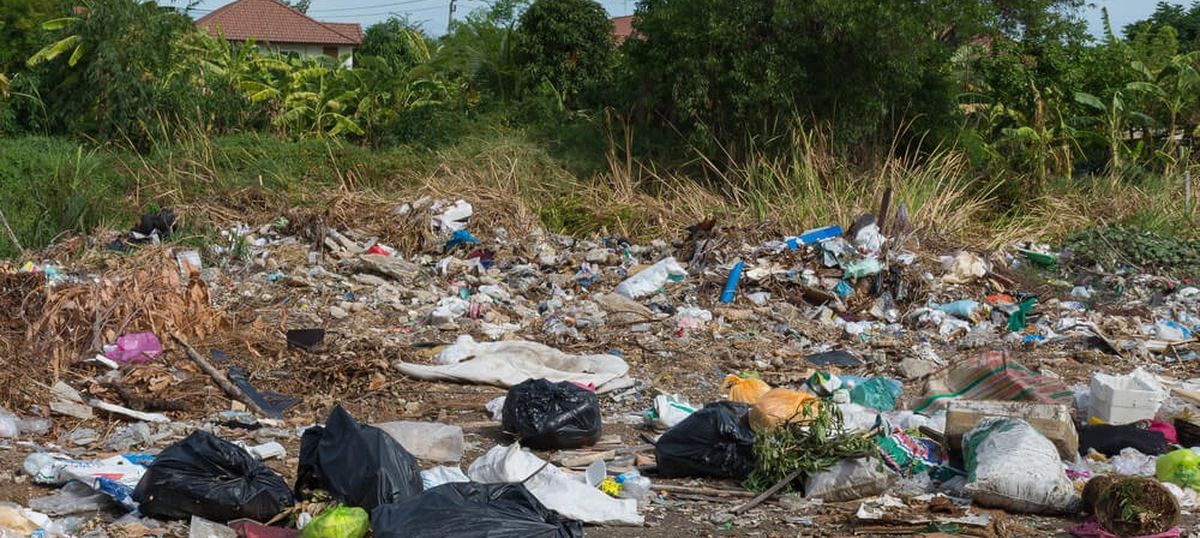
Growing concerns over urban waste handling and environmental compliance have brought renewed attention to waste management systems across eastern India, with regulatory authorities seeking stricter enforcement of waste-processing rules and greater accountability from local administrations. The development highlights the increasing pressure on cities such as Kolkata to strengthen waste infrastructure as population growth and urban expansion continue to generate larger volumes of municipal waste.
The intervention follows a review of waste-management practices and compliance levels in multiple regions, where gaps in collection, processing and disposal mechanisms have raised environmental concerns. Urban planners note that inadequate handling of municipal solid waste can contribute to groundwater contamination, air pollution and public-health risks, particularly in densely populated metropolitan areas.For Kolkata, the issue carries wider significance. The city generates thousands of tonnes of municipal waste every day, placing sustained pressure on landfills, transportation networks and processing facilities. Experts argue that improving waste management systems is no longer only an environmental requirement but also a critical urban governance challenge linked to public health, economic productivity and quality of life.Officials familiar with the matter indicated that authorities are expected to intensify monitoring of local bodies and seek time-bound action on deficiencies. Such measures could include better segregation of waste at source, stronger tracking of collection systems, scientific disposal practices and improved processing capacity. Urban development specialists have long maintained that cities require integrated waste-management strategies rather than relying primarily on landfill-based disposal.
The regulatory focus also arrives at a time when Indian cities are pursuing broader sustainability goals. As municipalities invest in transport infrastructure, housing and commercial development, environmental services such as waste management are increasingly viewed as essential urban infrastructure. Failure to modernise these systems can undermine investments in real estate, tourism and public amenities while increasing long-term ecological costs.Environmental experts point out that unmanaged waste contributes to greenhouse-gas emissions through landfill methane and can place additional strain on urban ecosystems. Strengthening recycling, composting and material recovery systems could help cities reduce disposal volumes while supporting circular-economy objectives. Such measures are also seen as creating opportunities for formal employment within waste-processing and resource-recovery sectors.For residents, the effectiveness of future enforcement efforts will ultimately be measured by visible improvements in neighbourhood cleanliness, reduced dumping, and safer environmental conditions. As regulatory oversight intensifies, municipal agencies are expected to face growing pressure to demonstrate measurable progress and align urban growth with sustainable environmental management.
The coming months are likely to test how effectively civic authorities translate regulatory directives into on-ground action. For Kolkata and other expanding urban centres, stronger compliance could become a key factor in building cleaner, more resilient and environmentally responsible cities.